Trump Escalates Iran Inspectors Clash
Trump Escalates Iran Inspectors Clash
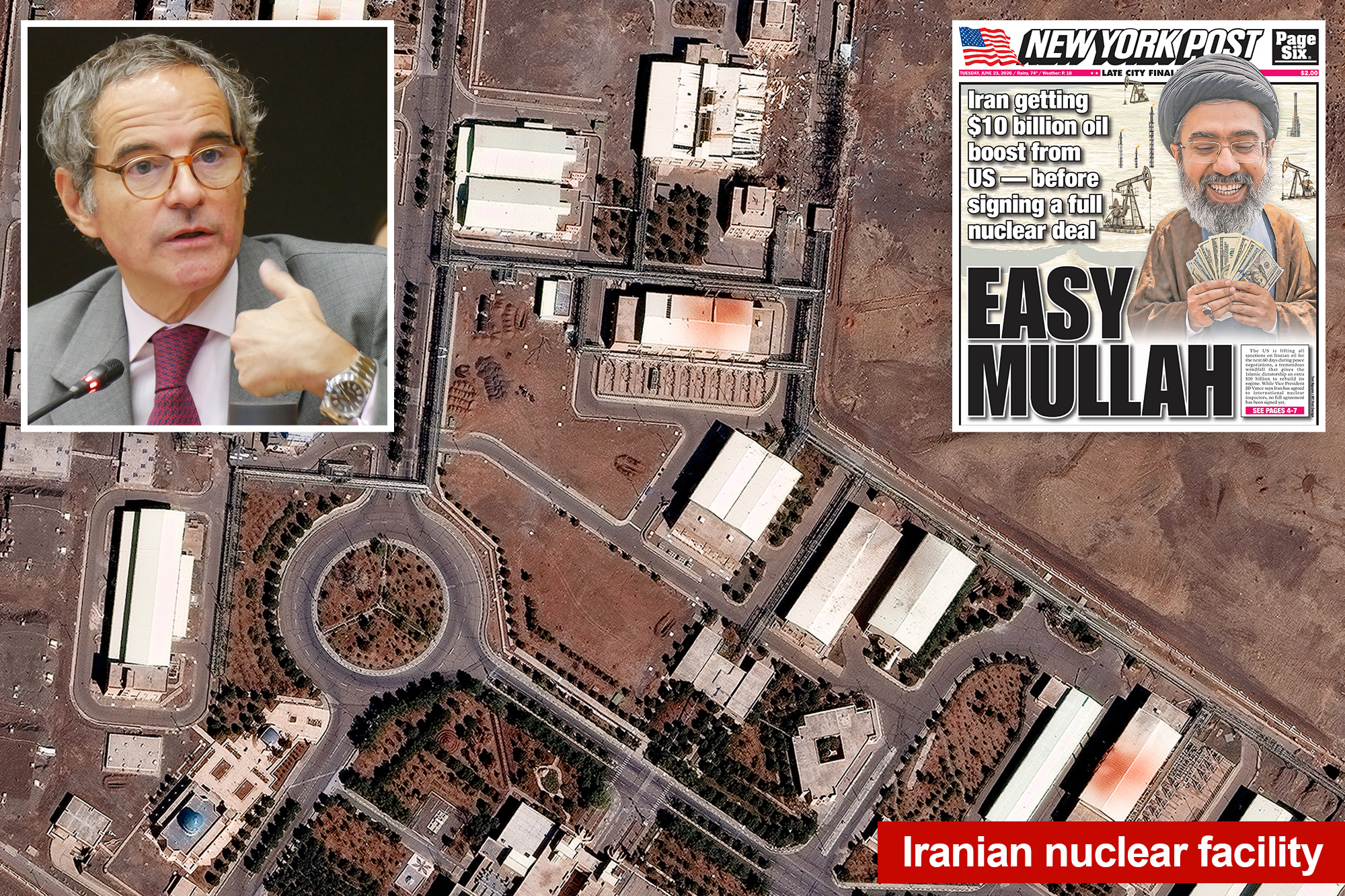
The latest clash over Iran’s nuclear inspectors is more than another diplomatic spat. It is a stress test for the entire verification system that keeps nuclear crises from spinning out of control. When Donald Trump disputed Iran’s rejection of inspectors, he was not just responding to a headline. He was pressing on one of the most fragile pressure points in global security: who gets to verify compliance, and what happens when that trust collapses. For Tehran, inspectors are leverage. For Washington, they are the difference between containment and uncertainty. For everyone else, this is a reminder that nuclear diplomacy can unravel faster than markets can price in the risk.
- Iran’s resistance to inspectors is a direct challenge to nuclear verification, not just a rhetorical move.
- Trump’s response signals a tougher posture that could narrow diplomatic off-ramps.
- Inspector access matters because it is how the world distinguishes deterrence from deception.
- The standoff could increase regional volatility and complicate any future deal-making.
Why the Trump Iran inspectors dispute matters now
The phrase Trump Iran inspectors dispute sounds procedural, but the stakes are geopolitical. Nuclear inspectors are the eyes and ears of international oversight. Without them, there is no reliable way to confirm whether enrichment levels are rising, stockpiles are growing, or facilities are being concealed. That makes every denial, delay, or dispute instantly consequential.
Trump’s pushback against Iran’s rejection of inspectors also reflects a broader shift in how nuclear diplomacy is being framed. This is no longer just about compliance with a technical agreement. It is about power, deterrence, and credibility. If Iran can limit access without meaningful consequences, it gains room to maneuver. If the U.S. responds too aggressively, it risks accelerating the same instability it wants to prevent.
Inspector access is not a bureaucratic detail. It is the mechanism that turns suspicion into evidence and evidence into policy.
The inspection fight is really about trust
At the heart of the dispute is a simple but brutal reality: nuclear deals depend on verification because trust alone is not enough. That is especially true with a state like Iran, where suspicions around enrichment and concealment have shaped global policy for years. Inspectors are not there to satisfy curiosity. They are there to establish whether promises match behavior.
When Iran rejects inspectors, it is not just pushing back on foreign oversight. It is challenging the assumption that transparency is a condition of legitimacy. From Tehran’s perspective, inspections can look like surveillance wrapped in diplomacy. From Washington’s perspective, denying access can look like a warning sign that the program is moving into a more dangerous phase.
This is why the current fight has such outsized importance. Once verification weakens, every side starts relying more on intelligence, estimates, and worst-case assumptions. That is when miscalculation becomes more likely.
What inspectors actually do
Inspectors are responsible for monitoring declared facilities, checking records, and confirming that material is accounted for. In a crisis, their role becomes even more valuable because they provide a relatively neutral baseline. A healthy inspection regime can reduce panic. A broken one does the opposite.
For readers following the Iran nuclear program, the key point is this: inspections are not symbolic. They are operational. They are how the international community assesses whether a country is enriching uranium beyond agreed limits, restricting access to sensitive sites, or reshaping the timeline toward a potential breakout capability.
Trump’s response raises the temperature
Trump’s dispute with Iran’s rejection of inspectors fits his long-standing preference for pressure-first diplomacy. He has never been especially interested in the slow, layered logic of multilateral arms control. He prefers leverage, confrontation, and clear winners. That approach can be politically effective because it sounds decisive. But in a nuclear context, decisiveness without a workable off-ramp can be dangerous.
The problem is that hardline rhetoric can shrink the space for compromise. If the U.S. signals that rejection of inspectors will be treated as proof of bad faith, then Iran may feel even less incentive to reopen access. If Iran interprets U.S. pressure as an attempt to force capitulation, it may double down on restriction. Either way, the cycle feeds itself.
In nuclear diplomacy, escalating language can harden positions long before any actual policy changes take effect.
The political logic behind the hard line
Trump’s stance is also political. Appearing firm on Iran plays well with audiences that view the country as a long-term adversary and see concessions as weakness. But the political value of toughness does not automatically translate into strategic success. Sometimes the opposite happens: the tougher the language, the less room leaders have to compromise without looking defeated.
That tension is why the nuclear inspectors issue keeps returning to center stage. It is a technical question with enormous symbolic weight. Whoever controls the narrative around access controls the narrative around compliance.
Why inspector access is the real red line
There is a reason diplomats obsess over access. Without it, the world loses the ability to distinguish between routine program activity and a serious escalation. The concern is not just that Iran might move faster on enrichment. It is that a lack of transparency makes every intelligence report more alarming and every military option more plausible.
That is the strategic danger of the current standoff. Once inspectors are out of the picture, policy makers begin operating in a fog. And in a fog, governments often default to worst-case planning. That can mean sanctions pressure, covert action, cyber operations, or military posturing. None of those options are clean. All of them carry escalation risk.
For a conflict already shaped by regional rivalries, proxy dynamics, and domestic political pressures, that is a combustible mix.
What happens if the stalemate deepens
If the dispute drags on, expect three likely effects:
- More uncertainty: Intelligence gaps widen and public assessments become less reliable.
- More pressure: U.S. and allied governments may lean harder on sanctions and diplomatic isolation.
- More instability: Regional actors may interpret the lack of visibility as a sign that a larger confrontation is coming.
None of those outcomes improves the odds of a durable agreement. They simply raise the cost of delay.
The broader Iran nuclear program context
The Iran nuclear program has always been more than a nonproliferation problem. It is a mirror reflecting the state of U.S.-Iran relations, the credibility of international institutions, and the limits of coercive diplomacy. Every inspection dispute is therefore both a technical event and a political signal.
One reason this matters so much is that nuclear thresholds are hard to manage once trust erodes. If one side believes the other is hiding too much, it starts assuming intent rather than waiting for proof. That is how transparency failures become security crises. The material facts matter, but so does perception. In this environment, perception can move faster than facts.
It also helps explain why the issue resonates beyond Washington and Tehran. European capitals, Gulf states, and regional security planners all depend on stable verification to make their own judgments. When that system falters, everyone recalculates at once.
What to watch next
The next phase of this story will likely hinge on whether either side sees advantage in de-escalation. Watch for any signals that Iran is willing to soften its rejection, or that Washington is willing to frame inspections as a pathway back to diplomacy rather than a precondition for punishment.
Also watch for the language around leverage. If officials start speaking less about compliance and more about consequences, that usually means the room for compromise is shrinking. If they begin emphasizing technical verification and phased steps, there may still be a narrow diplomatic lane left open.
Pro tip for following this issue: focus less on dramatic headlines and more on the actual language used around access, monitoring, and verification. In nuclear diplomacy, the verbs matter. A promise to cooperate is not the same as granting inspectors entry.
Why this matters beyond this news cycle
The dispute over inspectors is a reminder that the global nonproliferation system is only as strong as the access it can secure. Strip away that access, and the system becomes reactive instead of preventive. That is a huge difference. Preventive systems reduce risk before it becomes visible. Reactive systems respond after the danger has already grown.
For the U.S., the challenge is balancing pressure with credibility. For Iran, the challenge is preserving leverage without triggering a harsher response. For the rest of the world, the challenge is simpler to describe and harder to solve: avoid letting a verification crisis become the prelude to a larger confrontation.
This is why Trump’s dispute with Iran over inspectors is worth watching closely. It is not just about one exchange of statements. It is about whether the rules that keep nuclear tensions manageable are still functioning, or whether they are starting to break down in real time.
Bottom line: when inspectors are pushed out, uncertainty moves in. And in nuclear politics, uncertainty is rarely neutral.
The information provided in this article is for general informational purposes only. While we strive for accuracy, we make no guarantees about the completeness or reliability of the content. Always verify important information through official or multiple sources before making decisions.


