Trump Halts Iran Strike as Deal Hopes Rise
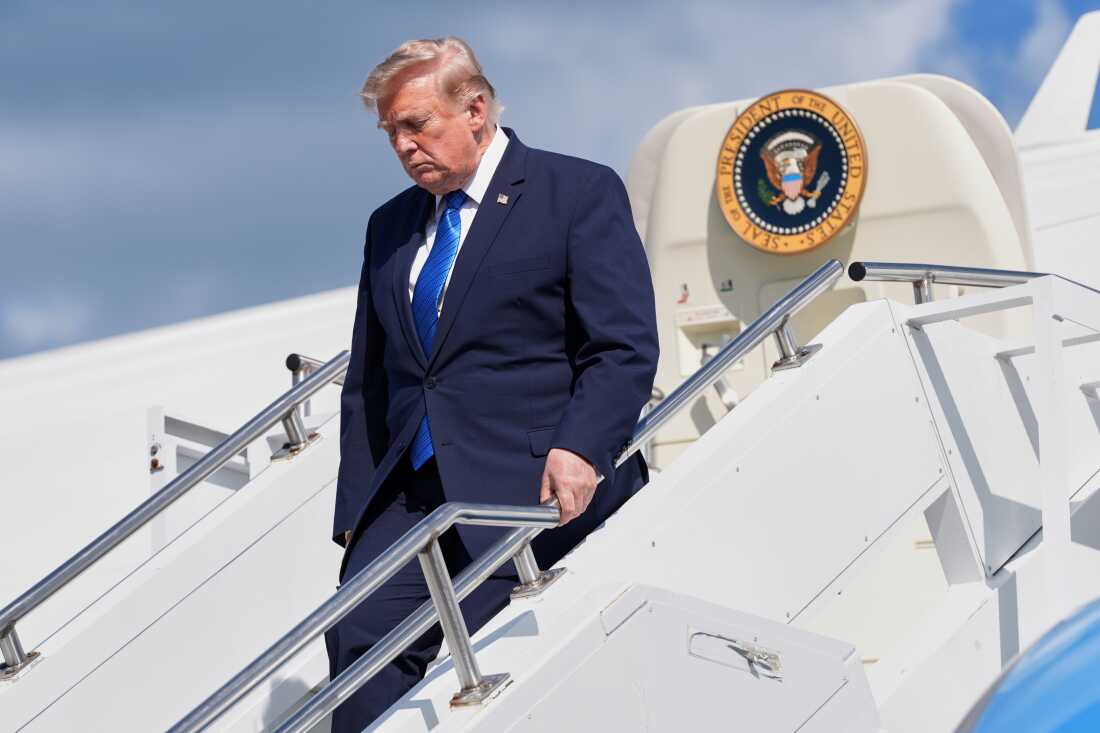
Trump Halts Iran Strike as Deal Hopes Rise
For a moment, the Middle East seemed one decision away from a wider war. Then Donald Trump canceled an attack on Iran, saying a deal was close. That is the kind of pivot that can calm markets, unsettle allies, and leave diplomats racing to decode what actually changed. The move matters because it sits at the intersection of military credibility, nuclear pressure, and election-season politics. A strike that never happened can be just as revealing as one that does. It tells us something about leverage, about risk tolerance, and about how quickly the White House may be trying to convert force into negotiation. The question now is not only whether a deal is near, but what kind of deal Washington thinks it can still sell.
- The canceled strike signals a possible shift from escalation to negotiation.
- Trump is using military pressure as a bargaining tool, not just a threat.
- The phrase “deal is near” may reflect strategy, optimism, or political theater.
- Markets, allies, and regional powers will watch for any sign of follow-through.
- The bigger issue is whether diplomacy can outpace military escalation.
What the Iran strike cancellation really signals
The headline is simple, but the implications are not. Canceling an attack on Iran suggests that the administration believes the upside of a deal may outweigh the immediate political and military payoff of a strike. That does not mean danger has disappeared. It means the pressure campaign is being recalibrated. In strategic terms, the threat of force remains part of the negotiating posture, but the decision to stand down suggests Trump sees a possible exit ramp.
This is classic brinkmanship. One side pushes hard enough to make escalation believable, then pauses to see whether the other side blinks. The risk is that the pause is misread as weakness. The benefit is that it can create space for diplomacy that would otherwise be impossible. If the White House is serious, then the cancellation is not a retreat. It is a signal that coercion is being converted into leverage.
Military threats are most effective when they are credible, but diplomacy only works when both sides believe the alternative is worse.
Why the Iran strike cancellation matters now
The timing is everything. Any talk of a deal near Iran comes with immediate consequences for U.S. allies, oil markets, and regional security planners. When Washington hints at restraint, partners in the Gulf may wonder whether deterrence is being softened. When it hints at force, Tehran may harden its position. That tension is the trap inside nearly every modern crisis with Iran: pressure can produce movement, but it can also produce miscalculation.
For policymakers, the Iran strike cancellation is important because it suggests the administration is still weighing a narrow window for diplomacy. That window may be driven by intelligence, diplomatic backchannels, or domestic political calculations. It may also reflect a recognition that a strike could trigger retaliation across the region, including against U.S. assets and shipping routes. In other words, the cost of acting may have just looked bigger than the cost of waiting.
The leverage game behind the scenes
Negotiations with Iran rarely happen in public, and when they do, public statements are often designed to shape the room rather than describe it. Saying a deal is near can be meant to reassure domestic audiences, pressure Tehran, or signal to allies that restraint is being rewarded. But it can also be a warning shot: move now, or lose the chance.
That is why analysts should be careful about reading the cancellation as a clean diplomatic breakthrough. More likely, it reflects a still-fragile process where both sides are testing the other’s limits. The administration may be betting that the mere prospect of a strike is enough to push Tehran closer to terms. Iran, meanwhile, may be trying to extract concessions while demonstrating that it is not intimidated.
How brinkmanship shapes the Trump Iran deal strategy
The phrase Trump Iran deal carries baggage because it combines two impulses that often collide: confrontation and deal-making. Trump’s political identity has long been built on the promise that pressure creates better outcomes than patience. That logic works in business negotiations, at least some of the time. International diplomacy is messier. States do not fold like companies, and the consequences of a bad move can last years.
Still, the strategy is recognizable. Maximize uncertainty. Keep adversaries guessing. Maintain the appearance of unpredictability so the other side assumes escalation is possible at any moment. If the administration believes this can squeeze concessions out of Iran, then canceling the strike becomes part of the strategy, not a departure from it. It says: the option remains on the table, but so does a path out.
That approach has one major weakness: it can work until it does not. If Tehran concludes that the United States is bluffing, pressure loses force. If Washington concludes that Tehran is stalling, patience collapses. The margin between successful coercive diplomacy and a spiraling crisis is thin.
What a real deal would need
A meaningful agreement would need more than rhetoric. It would likely require verifiable limits, inspection mechanisms, and a sequence of reciprocal steps. Without that, “deal is near” risks becoming a slogan rather than a settlement. And because trust between Washington and Tehran is so limited, sequencing matters as much as substance. Each side wants proof before commitment, but each side wants commitment before proof.
That is why these negotiations are so hard to complete. Even when both parties want relief, they may disagree on timing, enforcement, and what counts as compliance. A short-term pause can be sold as progress. A durable agreement is much harder to build.
What this means for markets and allies
Whenever war talk cools, traders notice first. Oil prices, shipping insurance, defense stocks, and currency markets all react to the possibility of reduced regional risk. But relief can be temporary if the underlying dispute is unresolved. A canceled strike may lower the immediate temperature, yet it does not erase the strategic rivalry driving the crisis.
Allies are watching just as closely. Regional partners want assurance that Washington will back deterrence if talks collapse. European governments, meanwhile, tend to favor de-escalation but will demand credibility from any agreement. If the White House has overplayed its hand, it risks appearing erratic. If it has underplayed it, it risks encouraging more Iranian brinkmanship. That balancing act is brutal because everyone is evaluating the same move through a different lens.
In crises like this, uncertainty is not just a byproduct. It is the operating environment.
Why this moment feels different
There have been many flashes of tension between the U.S. and Iran, but this one lands in a more unstable political environment. Domestic politics, global energy concerns, and the memory of past regional conflicts all shape how any military decision is interpreted. A strike that might once have been framed as a narrow tactical move can now be seen as a test of presidential authority and international credibility.
That matters because leaders increasingly use foreign policy theater as proof of strength at home. But strength is not the same as stability. A canceled strike can look like restraint, but it can also look like improvisation. The difference depends on whether the next step is coherent. If there is a credible diplomatic sequence, then the pause makes sense. If not, it may simply delay the crisis.
Signals to watch next
- Any language from Washington that clarifies whether talks are direct or indirect.
- Signs that military assets are being repositioned rather than withdrawn.
- Statements from Iran indicating whether it sees the move as de-escalation or weakness.
- Moves in oil and shipping markets that suggest traders think the risk is fading.
- Whether allies are briefed on a structured diplomatic roadmap.
The bottom line
The canceled strike is not the end of the story. It is the part where the administration tries to turn pressure into a negotiating advantage before the situation slips back toward escalation. If a deal really is near, then this is the moment where discipline matters more than drama. But if the announcement is mostly tactical theater, then the region is still one misread signal away from a much larger crisis.
What makes the Iran strike cancellation so consequential is that it reveals the central dilemma of modern statecraft: the tools used to prevent war can also make it more likely. For now, the best reading is cautious. The White House has stepped back from the edge. Whether that was a real strategic adjustment or just a pause before the next move will determine the next phase of this crisis.
The information provided in this article is for general informational purposes only. While we strive for accuracy, we make no guarantees about the completeness or reliability of the content. Always verify important information through official or multiple sources before making decisions.