Trump Lake Ontario Name Fight Exposes a Bigger Power Game
Trump Lake Ontario Name Fight Exposes a Bigger Power Game
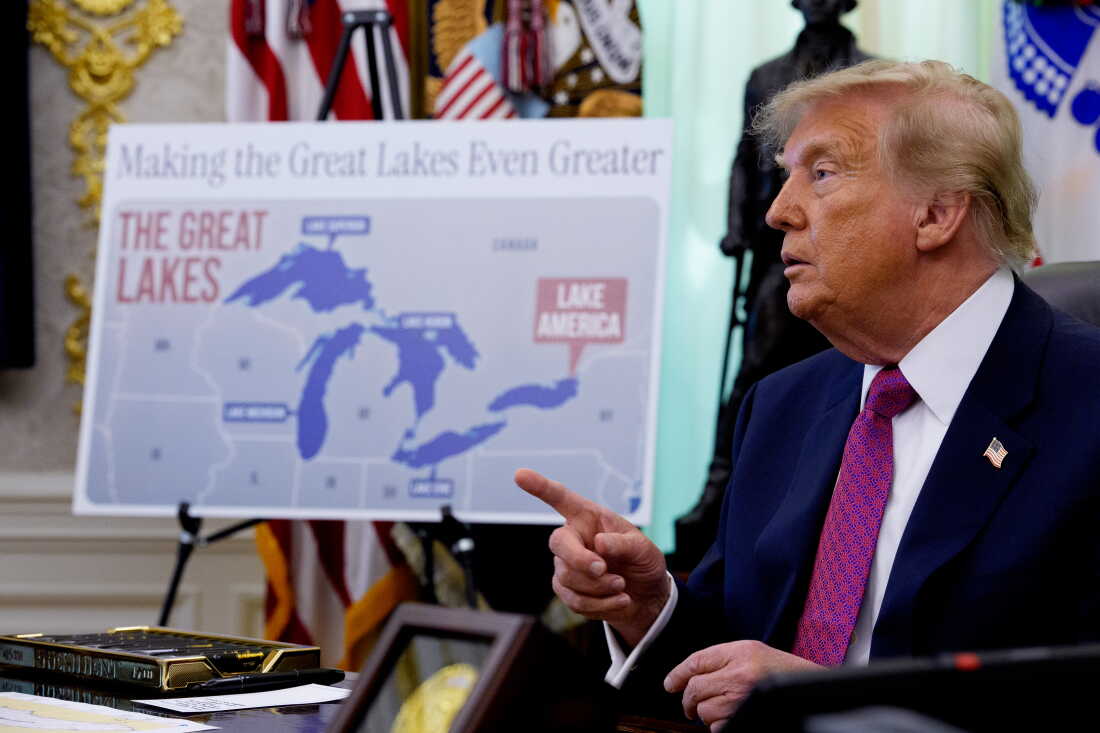
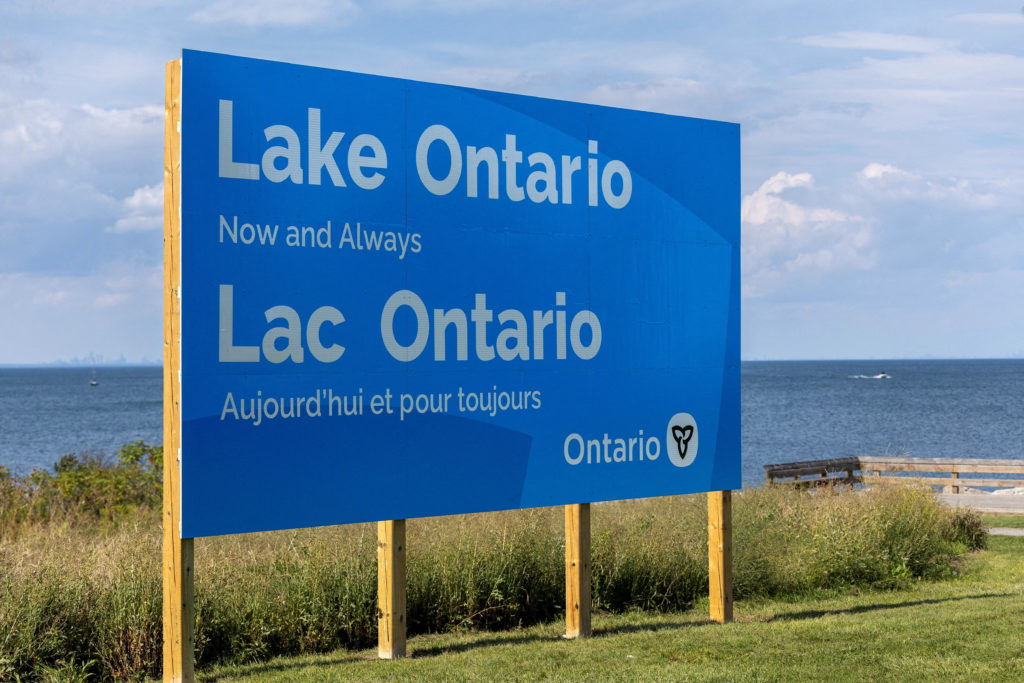
Donald Trump does not need to redraw a border to trigger a political shockwave. A naming fight around Lake Ontario is enough. That is the point. Symbolic moves are cheap, attention-grabbing, and designed to force everyone else to react on his terms. The Trump Lake Ontario name controversy may sound like a bizarre footnote, but it lands at the intersection of nationalism, media manipulation, and political theater. For voters, officials, and anyone trying to understand how modern power works, the real story is not the lake. It is the strategy. When a familiar place becomes a messaging weapon, the battle shifts from geography to identity – and that makes it much harder to ignore.
- The Trump Lake Ontario name debate is a symbolic power play, not a policy issue.
- Renaming battles can dominate headlines without changing material reality.
- These moves test media attention, public outrage, and political loyalty.
- The bigger risk is normalizing performative politics over governance.
- Anyone tracking the next election cycle should treat symbolism as a real strategic tool.
The Trump Lake Ontario name story is about power, not water
At first glance, the idea of renaming Lake Ontario feels like the sort of absurdity that belongs in a late-night monologue. But dismissing it too quickly misses the machinery underneath. Trump has long understood that a name is never just a name. It can be a shortcut to ownership, a branding exercise, or a provocation that forces opponents to argue on his turf.
That is why this matters. The modern political environment rewards spectacle. A policy proposal has to survive scrutiny. A symbolic gesture only has to survive the news cycle. If the gesture is outrageous enough, it can dominate the conversation while more consequential issues fade into the background.
Political branding works best when it feels personal, territorial, and just controversial enough to keep everyone talking.
Lake Ontario is not a campaign issue in any normal sense. But the attempt to attach a Trumpian label to it fits a broader pattern: seize a public symbol, make the opposition defend it, and turn the resulting outrage into fuel.
Why symbolic fights keep winning attention
Symbolic conflicts have an unfair advantage in the media age. They are simple to explain, easy to meme, and emotionally loaded from the start. By contrast, the actual work of governing – budgets, infrastructure, immigration systems, trade policy – is slower, messier, and less shareable.
That imbalance is exactly why the Trump Lake Ontario name dispute resonates beyond the headline. It reveals how political actors can exploit platform incentives. The more a claim provokes disbelief, the more likely it is to circulate. The more it circulates, the more it appears consequential. And once people are arguing about whether the stunt is real, they are already participating in its success.
The attention economy rewards escalation
Political communication has been rebuilt around competition for attention. Outrage gets clicks. Confusion gets clicks. A weird naming story about a major North American landmark gets clicks. The underlying logic is simple: if a message can produce friction, it can produce reach.
That does not mean every provocative gesture is strategically brilliant. Some backfire. But the risk is baked into the tactic. If a leader can shape the conversation without spending much political capital, even a failed stunt may still be useful because it keeps the base energized and the opposition off balance.
Names are soft power with sharp edges
Names carry authority. They establish what a place means, who gets to define it, and whose history is being centered. That is why renaming disputes are never purely semantic. They are identity contests wrapped in administrative language.
In this case, the Trump Lake Ontario name angle taps into the psychology of ownership. It asks a provocative question: who gets to define public space? Even when the answer is obviously not one person, the ask itself does political work by normalizing the idea that cultural symbols can be rebranded by force of personality.
What this says about Trump’s political operating system
Trump’s political method has always mixed grievance, spectacle, and brand discipline. He rarely treats messaging as a tool. For him, messaging is the product. Whether he is talking about immigration, courts, elections, or landmarks, the goal is often the same: create a clash that centers his name and forces others to respond.
This is why the Trump Lake Ontario name controversy feels familiar even if the details are strange. It is another reminder that Trump’s influence often comes less from institutional control than from narrative control. He does not need to win every argument. He only needs to dominate the frame.
How the frame gets set
- Introduce a provocative claim or image.
- Force media and rivals to repeat it while debunking or condemning it.
- Convert the backlash into proof of relevance or persecution.
- Keep the story alive long enough to bury competing narratives.
That cycle is durable because it is self-reinforcing. Opponents want to mock the stunt. Supporters want to defend the leader. Journalists want to explain the tactic. Everyone ends up amplifying the original move.
Why this matters for Canada and the U.S.
Cross-border symbolism is especially sensitive because it touches national identity on both sides of the border. Canada is not just reacting to a headline. It is reacting to a broader pattern in which American political theater spills outward and demands a response from allies, neighbors, and institutions that did not ask to be part of the performance.
For Canada, a fight over the Trump Lake Ontario name is not about the lake itself. It is about sovereignty, respect, and the refusal to let outside political branding define local reality. For the U.S., it is another example of how domestic political spectacle can create diplomatic static without delivering any policy benefit.
The deeper issue is trust. When public figures treat shared symbols as props, they weaken the sense that civic language is stable. That may sound abstract, but it has real consequences. People become more cynical. Institutions look weaker. And every future dispute starts with a baseline assumption that the next outrage is probably another performance.
Once political theater becomes the default, seriousness itself starts to look naive.
How to read the next stunt before it happens
If the Trump Lake Ontario name story tells us anything, it is that readers need better instincts for spotting strategic distraction. Not every viral political moment deserves equal attention. Some are designed precisely to consume the oxygen that real issues need.
Watch for these warning signs
- The claim is highly symbolic but low in practical impact.
- It triggers immediate outrage across multiple media ecosystems.
- The details are vague, but the branding is unmistakable.
- Debunking it still spreads it further.
- It arrives when a more important issue is already gaining traction.
That pattern does not prove bad faith in every case, but it should raise suspicion. A serious political agenda usually comes with specifics. A distraction usually comes with a headline.
The bigger future: politics as perpetual branding
The long-term risk is not just that one leader tries to rename a lake. It is that the entire political class learns the lesson that symbolism is cheaper than substance. If that happens, more energy will go into controlling labels, icons, and narratives than into solving material problems.
That future is already visible. Campaigns are increasingly run like consumer brands. Leaders are treated like media channels. Every conflict becomes a content opportunity. In that environment, the Trump Lake Ontario name episode is less a one-off oddity than an early warning signal.
There is still room for backlash to matter. Public mockery can puncture weak stunts. Institutional resistance can still set limits. But neither works automatically. Both require audiences who can tell the difference between governance and performance.
The uncomfortable truth is that the stunt may be the point. Not because it solves anything, but because it proves that a name, a symbol, or a public landmark can still be bent into political leverage. That is a powerful lesson for anyone who assumes modern politics is only about policies. It is not. It is also about who gets to define reality in public.
And if that sounds dramatic, consider the strategy. A lake does not need to change for a controversy to succeed. The people watching do.
The information provided in this article is for general informational purposes only. While we strive for accuracy, we make no guarantees about the completeness or reliability of the content. Always verify important information through official or multiple sources before making decisions.