Trump Name Fight Reshapes the Kennedy Center
Trump Name Fight Reshapes the Kennedy Center
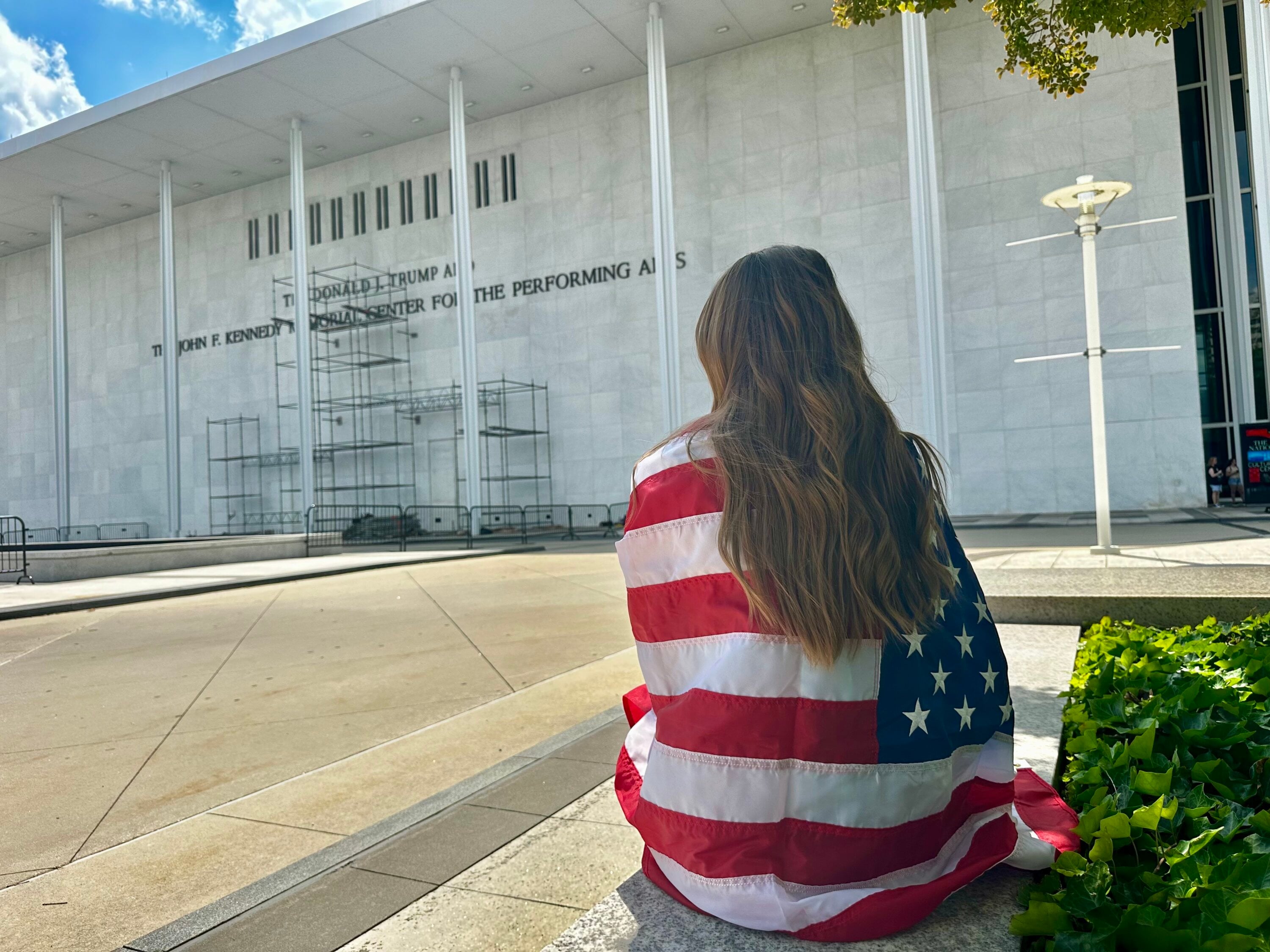
The battle over whether Donald Trump’s name should be removed from the Kennedy Center is not just a branding spat. It is a stress test for how much political gravity America’s most visible cultural institutions can absorb before they crack. The Kennedy Center has long sold itself as a national stage above the partisan noise, a place where arts, prestige, and public funding are supposed to coexist. But when a single name becomes a flashpoint, the real issue is no longer signage. It is control, legitimacy, and who gets to define the institution’s identity. That is why the Trump name fight at the Kennedy Center matters far beyond Washington. It is a reminder that cultural symbols are never just symbolic when power is involved.
- The Trump name fight at the Kennedy Center is really about governance and institutional identity.
- Removing or keeping a name can signal who holds influence over a public-facing brand.
- This dispute reflects a broader trend: culture institutions are being pulled into political branding wars.
- The outcome could shape how donors, artists, and audiences view the Kennedy Center’s independence.
Why the Kennedy Center dispute hits harder than a naming controversy
At first glance, the fight over the Trump name looks like another round of symbolic politics. But the Kennedy Center is not a random venue. It is a national cultural landmark with a board, public visibility, and a mission that depends on trust. When a name becomes contested, the institution is forced to answer a basic question: is it serving the public, serving donors, or serving the political moment? That tension is what makes the Trump name fight at the Kennedy Center so combustible.
Brand names in cultural institutions are not decorative. They carry patronage, ideology, and memory. A donor name can signal gratitude. A political name can signal alignment. But once the public starts reading the name as an endorsement, the institution loses the ability to claim neutrality. That is where the Kennedy Center now finds itself, caught between legacy and backlash.
What makes the Trump name fight at the Kennedy Center a bigger story
The argument is not just about whether a president’s name belongs on a space tied to national arts and performance. It is about whether major institutions can remain stable when political identities are treated like permanent fixtures. In the current environment, even a nameplate can become a proxy war over influence.
There is also a practical dimension. Public institutions rely on confidence. Artists need to believe the venue is not tilting toward a faction. Audiences need to feel they are entering a civic space, not a campaign monument. And funders need assurance that reputation risk will not outpace the institution’s mission. Once a naming dispute becomes public, every stakeholder starts asking the same question: what does this signal about the center’s future?
When a cultural institution becomes a political canvas, every decision about naming, branding, and governance becomes a statement of power.
The branding problem no one wants to admit
Modern institutions are built like brands, whether they like it or not. Their names, logos, stages, and public ceremonies all function as shorthand for trust. If the public associates those symbols with political capture, the institution has a communications problem and a governance problem at the same time.
That is why naming disputes are so hard to unwind. Reversing a decision can look like capitulation. Keeping it in place can look like endorsement. The Kennedy Center has to navigate both interpretations at once, which is exactly the kind of lose-lose scenario that makes leadership decisions feel radioactive.
How institutions get trapped by symbolic decisions
The deeper lesson here is that symbolic choices tend to harden into operational ones. Once a name is installed, removed, defended, or debated, it affects everything from board dynamics to donor conversations to artist relations. The controversy is no longer about aesthetics. It becomes an organizational test.
That is especially true for high-profile cultural venues, which sit at the intersection of public service and elite fundraising. They depend on a broad coalition that rarely agrees on politics. When one faction believes the institution has drifted too far, the consequences can be immediate: reputational drag, public criticism, and internal pressure for a reset.
What this means for governance
Governance is where naming fights usually expose the most weakness. If an institution cannot clearly explain who has the authority to make brand-defining decisions, then the controversy quickly becomes a referendum on leadership legitimacy. That is why the Trump name fight at the Kennedy Center is also a governance story in disguise.
Strong boards separate mission from momentary political enthusiasm. Weak ones let symbolism outrun strategy. When that line blurs, institutions invite external actors to define them from the outside. And once that happens, they are no longer managing the story. They are reacting to it.
Why this matters for the arts sector
Arts institutions across the country are watching closely because the same pressures are everywhere. Museums, theaters, symphonies, and centers for performance increasingly operate in a hyper-polarized media environment. A naming decision that once might have faded into the background can now trigger days of debate, social media backlash, and donor uncertainty.
The Kennedy Center situation may become a template for how future institutions handle politically charged names. If the center moves to remove a name, others may see that as a permission structure for de-politicizing their spaces. If it keeps the name, some may read that as a warning that political symbolism can become sticky and hard to dislodge once installed.
Either way, the message is the same: institutions can no longer assume their audiences will separate art from politics on command.
The modern cultural institution is judged not only by its programming, but by the story its name tells before the curtain rises.
The communication challenge behind the headline
Editorially, the smartest institutions treat naming controversies like crisis communications, not like one-off debates. That means getting ahead of the symbolism before the symbolism gets ahead of them. It also means acknowledging that stakeholders do not hear nuance the same way insiders do.
For a venue like the Kennedy Center, the communication challenge is threefold:
- Explain the decision in terms of mission, not personalities.
- Show that governance rules are being applied consistently.
- Protect the credibility of the institution for artists, donors, and the public.
If those three goals are not aligned, the public will fill in the blanks with its own narrative. And in a partisan climate, that narrative will usually be the least charitable version available.
Pro tip for public institutions
When a naming issue turns political, do not frame the answer as a private board preference. Frame it around institutional purpose, public trust, and long-term reputation. That gives the audience something sturdier than defensiveness.
The future implications of the Trump name fight at the Kennedy Center
What happens next will matter well beyond one building in Washington. If the controversy leads to a formal change, it could embolden other institutions to revisit legacy names that no longer fit their values. If it stalls or reverses, it could signal that political branding has become even more durable once attached to a major venue.
There is also a larger national question here. Cultural institutions have historically been expected to provide common ground. But common ground is getting harder to maintain when every public symbol is read through tribal politics. The Kennedy Center is not the first institution to face that reality, and it will not be the last.
What makes this moment different is how visibly the stakes have escalated. A name on a wall is now also a vote on identity, power, and who gets to claim ownership of public culture.
Bottom line
The Trump name fight at the Kennedy Center is not a niche naming dispute. It is a case study in how institutions lose neutrality when symbolism becomes strategy. The arts sector should take note: the next big fight may not be over programming, funding, or even leadership. It may be over the names we choose to place at the center of our cultural life.
If the Kennedy Center wants to preserve its authority, it has to do more than manage backlash. It has to prove that its identity belongs to the institution and the public, not to the politics of the moment.
The information provided in this article is for general informational purposes only. While we strive for accuracy, we make no guarantees about the completeness or reliability of the content. Always verify important information through official or multiple sources before making decisions.