Trump Pushes Iran Pressure
Trump Pushes Iran Pressure
Washington is once again staring at a familiar and dangerous question: how far can a president push Iran before Congress pushes back? The latest Senate fight over Trump’s Iran posture is not just another partisan food fight. It is a stress test for U.S. foreign policy, war powers, and the fragile balance between deterrence and escalation. If the White House wants room to maneuver, the Senate wants receipts, strategy, and limits. That clash matters far beyond Capitol Hill. It shapes how allies read American resolve, how Tehran calibrates its response, and how markets price the risk of another Middle East shock. The politics are loud, but the real story is structural: in 2026, Iran policy is becoming a referendum on executive power itself.
- The Senate is pressing for more control over Trump’s Iran strategy.
- The core fight is about war powers, not just diplomacy.
- Allies and adversaries are watching for signs of U.S. consistency.
- Any misstep could raise geopolitical and market volatility fast.
- The outcome may define how much latitude future presidents get on conflict.
Why the Trump Iran showdown matters now
The timing is what makes this clash so combustible. The administration is trying to project strength, but every move on Iran carries two audiences: Tehran and Congress. That creates a narrow corridor for action. If Trump appears too soft, he risks looking boxed in. If he looks too aggressive, he invites accusations that he is dragging the country toward confrontation without a clear mandate. The Senate is exploiting that tension, because senators know that Iran policy has a habit of metastasizing from sanctions and statements into airstrikes and emergency briefings.
This is not only a foreign policy story. It is a governance story. The deeper issue is whether the White House can continue to make high-impact national security decisions with limited legislative friction. The answer will influence everything from deterrence policy to the credibility of U.S. commitments in Europe and the Gulf.
The Senate is reclaiming leverage
For years, lawmakers from both parties have complained that presidents of both stripes have stretched their authority on military matters. Iran is the perfect battlefield for that frustration. The Senate can’t run the National Security Council, but it can slow funding, demand hearings, and attach conditions to defense legislation. That makes oversight less symbolic than it looks.
What senators are really trying to do
At a strategic level, the chamber wants to force the administration to define its endgame. Is the goal containment, coercion, regime pressure, or something closer to negotiation through threat? Each option carries different risks. Without clarity, senators argue, the U.S. can stumble into escalation by inertia.
When Congress asks for a strategy document, it is usually asking a more uncomfortable question: what happens if the strategy fails?
That is why the current dispute is bigger than one policy memo or one tweet. It is about whether the president can keep Iran policy intentionally ambiguous, or whether the Senate will demand a roadmap with off-ramps and guardrails.
Trump Iran strategy and the politics of escalation
Trump’s Iran approach has always been defined by pressure first, ambiguity second. That formula can work for signaling toughness, but it gets messy when the other side refuses to blink. Iran has spent years building its own deterrent architecture through proxies, asymmetric threats, and calibrated retaliation. That means pressure does not operate in a vacuum. It can invite counterpressure, often in places where the U.S. has limited control.
That is the political trap. A president can win a short burst of applause by sounding hawkish. But if the result is a broader crisis, Congress gets to ask whether the strategy was ever more than theater. The Senate knows that dynamic, and some lawmakers are clearly betting that public skepticism toward another Middle East escalation remains high.
The real risk is strategic drift
The worst outcome is not always a dramatic war decision. Sometimes it is a series of small, plausible steps: sanction escalation, force posture changes, retaliatory strikes, then a diplomatic collapse. Each step can be defended in isolation. Together, they can create a crisis nobody explicitly voted for. That is why watchdogs on Capitol Hill keep pressing for policy visibility.
Strategic drift is how presidents end up owning outcomes they never formally ordered.
What the White House gains and loses
From the administration’s perspective, keeping Iran policy tightly controlled has obvious advantages. It preserves surprise, keeps adversaries guessing, and prevents Congress from preemptively constraining options. But secrecy has a price. The less the White House shares, the more it looks like it is improvising. In a high-stakes theater like Iran, improvisation reads as weakness, even when it is tactical restraint.
- Gain: more flexibility to respond quickly to threats.
- Gain: stronger deterrence signaling if the message is consistent.
- Loss: reduced trust with lawmakers who control funding and oversight.
- Loss: higher risk of policy backlash if escalation becomes visible.
That tradeoff matters because foreign policy is not judged only by outcomes. It is judged by legitimacy. A move that looks effective in the short term can still become politically toxic if allies were blindsided or Congress was sidelined.
Trump Iran pressure and the war powers problem
The constitutional fight here is not decorative. It is the oldest unresolved question in modern U.S. national security: who gets to decide when pressure becomes war? Presidents have accumulated enormous power through practice, while Congress often reacts after the fact. Iran policy exposes that imbalance every time tensions rise.
For the Senate, the challenge is enforcing relevance without sounding reckless. Lawmakers can demand consultation, but they also have to avoid creating a signal of internal paralysis. That is a hard line to walk. Tehran, for its part, is likely to read any visible divide in Washington as leverage. That makes congressional oversight both necessary and risky.
Why this matters for future presidents
Whatever happens in this fight will set a precedent. If Trump can run Iran policy with minimal constraint, future presidents will inherit even more unilateral space. If the Senate successfully narrows that space, Congress may reclaim some institutional power it has ceded for decades. Either way, the next administration will study this moment as a template.
Iran policy is rarely just about Iran. It is about the rules of presidential power under stress.
The global consequences are bigger than Washington
Markets, allies, and adversaries all watch U.S. Iran policy for cues about reliability. Oil traders care because the Strait of Hormuz remains one of the planet’s most important chokepoints. European allies care because they need predictability from Washington, even when they disagree with its tactics. Gulf states care because they live closest to the blast radius of any miscalculation.
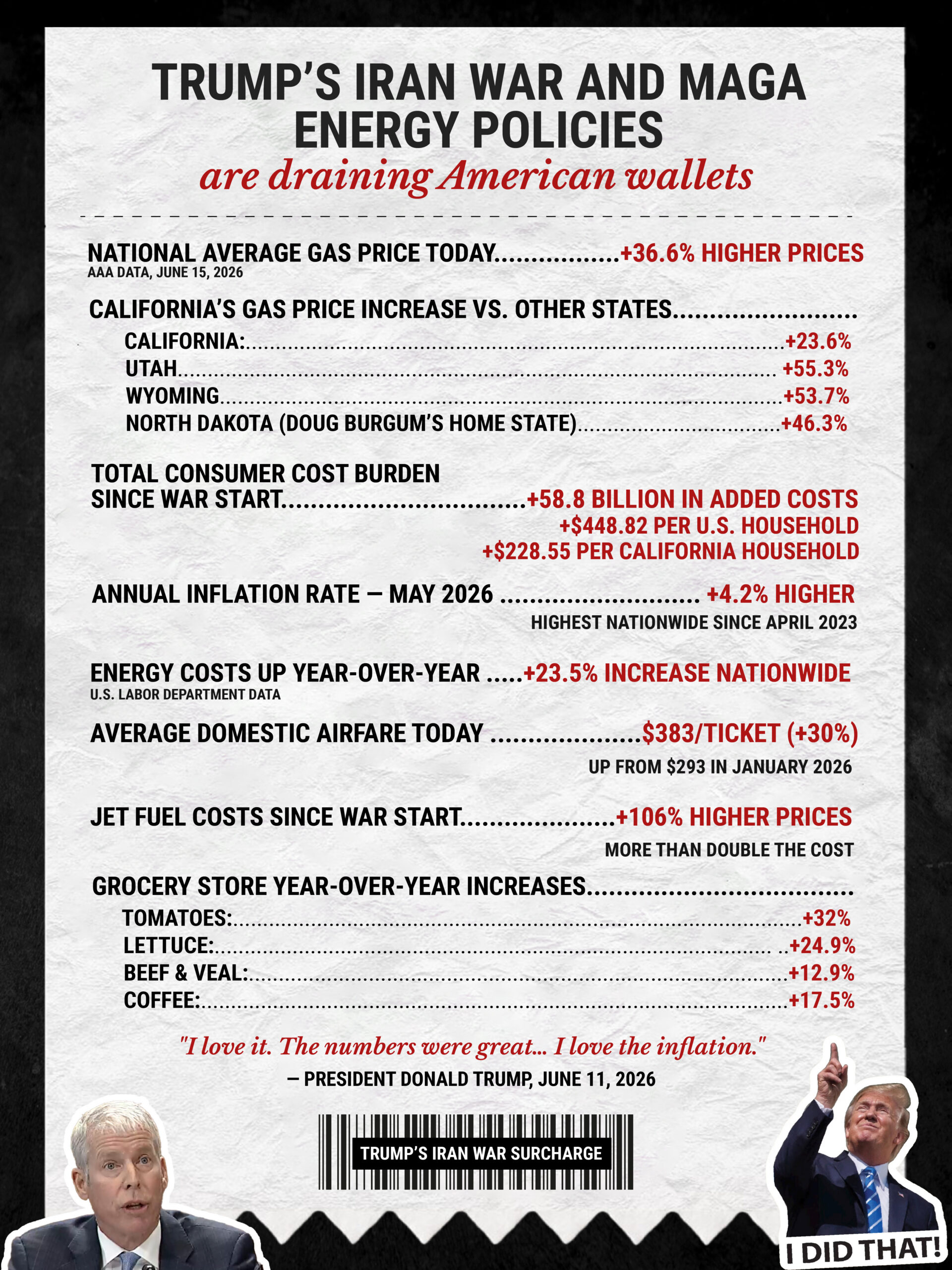
That means a Senate showdown can have real-world effects long before any missile is launched or any deal is signed. Even rumors of escalation can move energy prices, lift defense stocks, and widen geopolitical risk premiums. In other words, the political fight itself has a shadow economy.
The message to markets is simple: uncertainty is expensive.
How to read the next moves
If you want to understand where this is headed, watch three signals closely.
- Whether the White House offers a clearer public framework for Iran policy.
- Whether Senate leaders push binding language into defense or foreign aid bills.
- Whether allies begin publicly urging restraint, which often signals private concern.
Those indicators will tell you whether this is a contained oversight dispute or the start of a broader institutional fight over military authority. The difference matters because one is political theater, and the other can shape the probability of crisis.
The bottom line on Trump, the Senate, and Iran
This fight is not about one president’s personality, and it is not just about one hostile regime. It is about whether U.S. democracy can still impose discipline on foreign policy when the incentives point toward speed, secrecy, and brinkmanship. Trump wants leverage. The Senate wants limits. Iran will test whichever side looks weaker. And the rest of the world will be forced to live with the result.
If the administration can explain its Iran strategy clearly, it may preserve room to maneuver while calming congressional nerves. If it cannot, the Senate may keep turning oversight into a referendum on executive power. Either way, the next chapter in Trump Iran policy will not stay inside the Beltway for long.
The information provided in this article is for general informational purposes only. While we strive for accuracy, we make no guarantees about the completeness or reliability of the content. Always verify important information through official or multiple sources before making decisions.

