Trump Sanctions Squeeze Cuba Harder
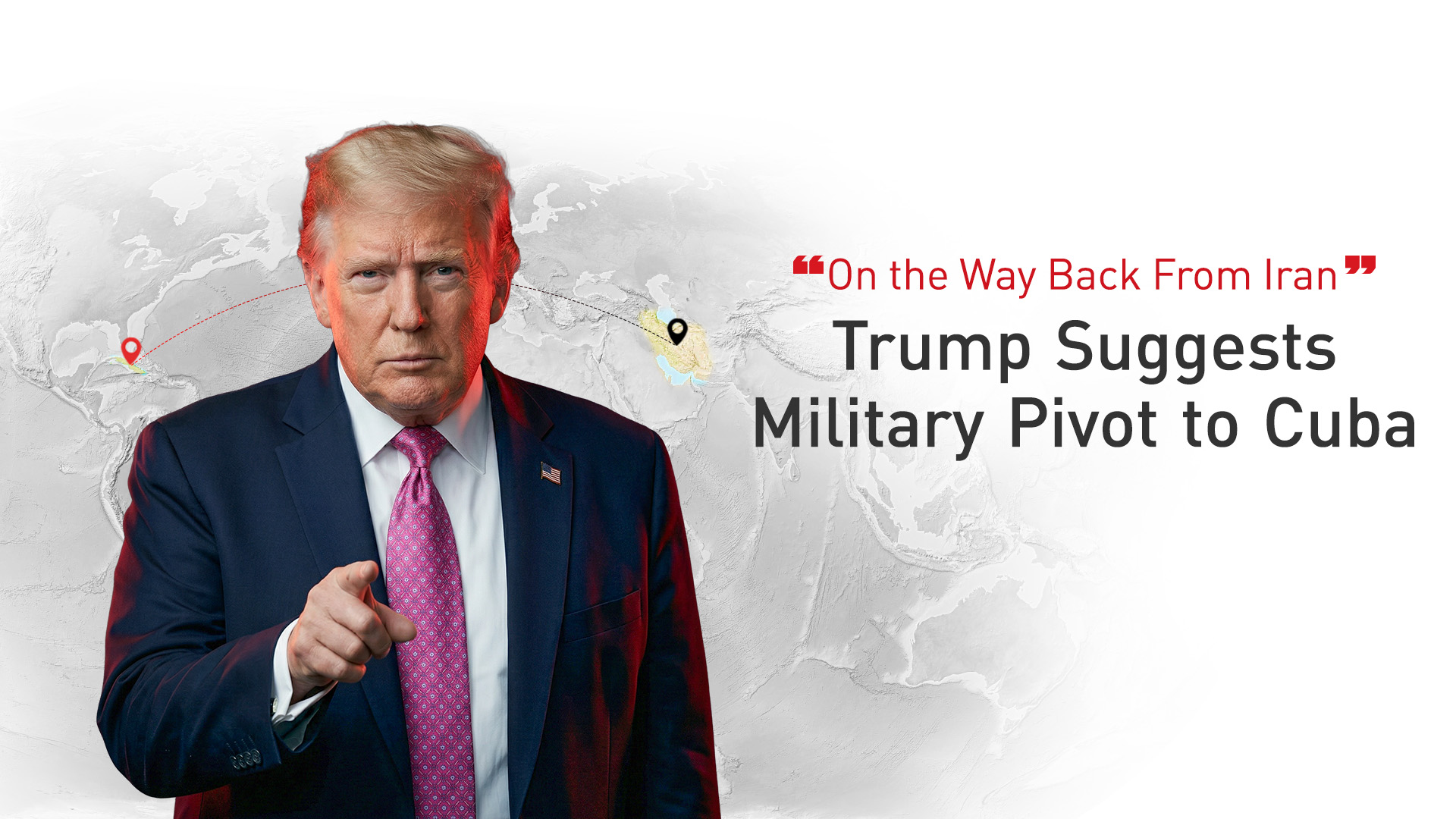
Trump Sanctions Squeeze Cuba Harder
The new round of Trump sanctions on Cuba lands at a moment when the island can least absorb another shock. Cuba is already wrestling with inflation, blackouts, fuel shortages, weak tourism recovery, and an exodus of working-age people. Tightening US pressure now is not just a diplomatic signal – it is an economic force multiplier. For Washington, the move fits a familiar playbook of coercion and political messaging. For ordinary Cubans, it risks making daily life even more punishing. That is the core tension policymakers often understate: sanctions are designed to pressure governments, but they almost always hit households first. The bigger question is whether this latest escalation changes Havana’s behavior, or simply accelerates the slow-motion breakdown of an already fragile economy.
- Trump sanctions on Cuba arrive as the island faces severe inflation, shortages, and social strain.
- The measures could further disrupt tourism, remittances, trade flows, and investor confidence.
- Washington may frame the policy as leverage, but the near-term pain will likely fall on Cuban families and small businesses.
- The strategic impact depends on whether sanctions alter state behavior or deepen long-term instability.
Why Trump sanctions on Cuba matter right now
Cuba’s economy is not entering this phase from a position of resilience. It is entering from exhaustion. The country has spent years dealing with declining productivity, a distorted dual-track reform process, weakened foreign exchange inflows, and structural dependence on imports for essentials. Add to that unreliable electricity generation and falling purchasing power, and the result is a system with very little buffer left.
That is why Trump sanctions on Cuba could prove more disruptive now than similar pressure at other points in the past. The economic base is thinner. The social contract is weaker. The government’s room to maneuver is narrower.
Sanctions rarely operate in a vacuum. Their real impact depends on the target’s economic fragility, access to alternative partners, and the public’s tolerance for more hardship.
This is the part that matters beyond headline politics. Even if Havana has adapted to sanctions for decades, adaptation is not immunity. Systems under chronic stress become less capable of absorbing fresh constraints. What looks incremental on paper can feel severe on the ground.
How the pressure campaign hits the Cuban economy
Sanctions can sound abstract, but their effects are usually concrete and predictable. They raise transaction costs, reduce access to financing, discourage third-party commercial engagement, and inject uncertainty into every cross-border decision. For Cuba, that means pressure can spread across several already vulnerable sectors at once.
Tourism takes another confidence hit
Tourism has long been one of Cuba’s most important sources of foreign currency. Even before the latest action, the sector was struggling to regain momentum. Capacity issues, infrastructure problems, and weaker international demand have already weighed on recovery. Sanctions can make that worse by chilling bookings, increasing compliance concerns among travel-related companies, and reinforcing the perception that Cuba is a high-risk destination.
That perception matters. Tourism is powered as much by confidence as by logistics. If airlines, insurers, payment providers, or travel platforms see elevated regulatory risk, they adjust fast.
Remittances and household survival
For many Cuban families, remittances are not supplemental income. They are survival income. Any policy that complicates money transfers can ripple through food purchases, medicine access, transportation, and basic household stability. When formal channels tighten, informal channels often expand – but usually at higher cost and greater risk.
The policy question here is uncomfortable but unavoidable: if the intent is to weaken state control, does constraining family-level financial support do the opposite by making citizens more dependent on state distribution and black-market networks?
Imports, fuel, and supply chains
Cuba depends heavily on imports, including food, fuel, and industrial inputs. Sanctions do not need to fully block these flows to be damaging. They only need to make procurement slower, more expensive, and less predictable. If counterparties fear penalties or compliance headaches, some will simply walk away. Others will charge a premium.
That amplifies shortages. It also worsens inflation, because scarcity raises prices even when nominal incomes stagnate. In an economy where people already queue for essentials, another layer of friction can have outsized consequences.
The political logic behind Trump sanctions on Cuba
There is always a domestic political dimension to Cuba policy in the United States. Hard-line measures are not only about foreign policy leverage. They also signal ideological clarity to key constituencies and project toughness in a region where symbolism carries weight. Cuba remains one of those rare issues where policy can be both strategic theater and electoral message.
That does not mean the measures are purely performative. Sanctions can absolutely constrain an adversarial government. But their record is mixed when the objective is political transformation. Authoritarian systems often absorb pain unevenly, protecting core elites while passing costs downward.
The central test is not whether sanctions hurt. They usually do. The central test is whether they produce a better political outcome than the status quo they are meant to challenge.
That is where skepticism is warranted. If the strategy lacks a credible off-ramp, a diplomatic pathway, or clear measurable goals, sanctions risk becoming a permanent pressure tool with diminishing strategic returns.
What Havana is likely to do next
Cuba’s government has limited options, but it still has options. It can tighten domestic controls, seek more support from non-US partners, restructure trade relationships, and continue selective reforms aimed at generating hard currency. It may also intensify its narrative that US pressure is the principal cause of the crisis, using sanctions as both explanation and shield.
That narrative works best when sanctions visibly worsen everyday conditions. The more tangible the pain, the easier it becomes for the state to channel public frustration outward rather than inward.
Expect more economic improvisation
Cuba has a long history of improvisational survival under external pressure. That can include expanded use of intermediary firms, greater reliance on informal commerce, and targeted concessions for sectors that generate foreign exchange. None of this solves structural weakness, but it can buy time.
Pro tip for analysts watching the next phase: track indicators like power outages, food availability, migration pressure, tourism receipts, and the spread between official and informal exchange rates. Those often reveal policy stress faster than official statements do.
Private enterprise gets caught in the middle
One of the more important underreported dynamics is the effect on Cuba’s emerging private sector. Small entrepreneurs, independent service providers, and family-run ventures often operate in the narrow space between state rigidity and market demand. They are exactly the kind of actors many reform-minded observers want to see grow.
But sanctions can shrink that space. Reduced remittances mean weaker customer demand. Supply disruptions raise costs. Payment friction complicates operations. In practice, that can squeeze the most economically adaptive part of the system.
Why this matters beyond Cuba
This is not just a bilateral story. It is also a regional one. Economic deterioration in Cuba can feed broader migration patterns, strain neighboring countries, and reshape diplomacy across Latin America. It can also complicate US relations with governments that view broad sanctions as blunt instruments rather than precision tools.
There is a wider lesson here for sanctions policy generally. Economic pressure works best when it is paired with clearly defined objectives, targeted design, and realistic pathways to de-escalation. Without that, sanctions can become strategically noisy: visible enough to signal resolve, but too diffuse to drive durable change.
A modern sanctions problem
Sanctions today operate in a much more networked and adaptive environment than they once did. Financial restrictions, licensing rules, travel barriers, and commercial penalties intersect with digital payments, informal trade routes, and gray-market intermediaries. The result is messy. Pressure still hurts, but control is never absolute.
If policymakers want outcomes rather than headlines, they need better calibration. That means asking not just whether pressure can be increased, but where pressure lands and what behavior it is realistically capable of changing.
The bottom line on Trump sanctions on Cuba
The latest Trump sanctions on Cuba are easy to understand politically and much harder to defend economically if the goal is improved conditions for ordinary people. They will almost certainly add friction to an economy already operating under severe strain. They may also strengthen the Cuban state’s preferred narrative while weakening households, informal resilience, and private initiative.
That does not mean sanctions have no place in foreign policy. It means they should be judged by outcomes, not posture. If the real benchmark is whether pressure produces accountability, reform, or meaningful leverage, then the next few months will be critical. Watch the economy, watch migration, and watch whether Washington offers any route beyond escalation. Without that, this looks less like a strategic breakthrough and more like another turn in a cycle that keeps punishing the same people while promising a different result.
The information provided in this article is for general informational purposes only. While we strive for accuracy, we make no guarantees about the completeness or reliability of the content. Always verify important information through official or multiple sources before making decisions.