Trump State Department Rights Fund Fight Widens
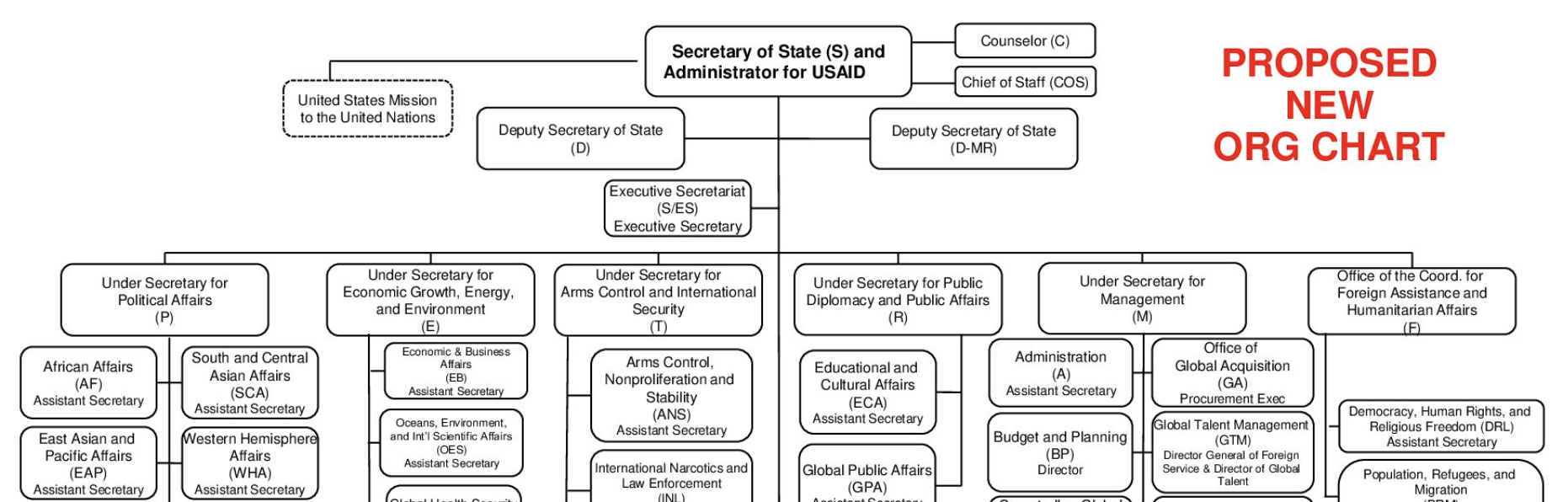
The fight over the Trump State Department human rights fund is not just another Washington budget skirmish. It is a stress test for whether the United States still wants to use money, diplomacy, and moral pressure to shape political behavior abroad. For activists, journalists, election monitors, anti-corruption groups, and dissidents who rely on US-backed support, a frozen or redirected human rights fund can mean the difference between surviving a crackdown and disappearing from public life. For the Trump camp, the same money can look like an unaccountable pipeline for liberal internationalism, foreign entanglements, and bureaucratic mission creep. That collision is why this story matters: it turns a line item inside the State Department into a proxy battle over America’s role in the world.
- The core dispute is strategic: whether US
foreign assistanceshould prioritize human rights promotion or narrower national interests. - Human rights groups face immediate risk: even temporary uncertainty can disrupt grants, staffing, security planning, and legal defense work.
- The politics are bigger than one fund: this reflects a broader effort to redefine
soft powerunder anAmerica Firstworldview. - Authoritarian governments are watching: cuts or freezes can be read as a signal that Washington is less willing to defend civil society abroad.
Why the Trump State Department human rights fund fight matters
At first glance, a State Department rights fund sounds like niche bureaucracy. It is not. Programs that sit under democracy, governance, and human rights accounts often support the least glamorous but most consequential work in foreign policy: legal aid for political prisoners, emergency support for threatened activists, documentation of abuses, independent media training, anti-corruption investigations, and election observation.
These initiatives rarely produce splashy ribbon cuttings. Their value is defensive. They help people and institutions withstand pressure from governments that use courts, police, surveillance tools, media monopolies, and financial harassment to crush dissent.
Key insight: Human rights funding is not charity in diplomatic clothing. It is infrastructure for political resilience.
That is also why it has become a target. To critics on the nationalist right, human rights spending can look like an ideological export business, with US taxpayers underwriting foreign activists who may not align with immediate US interests. To defenders, the same spending is one of the most cost-effective ways Washington can counter authoritarian influence without sending troops, imposing broad sanctions, or waiting for crises to explode.
The ideology behind the Trump State Department human rights fund dispute
The Trump-era approach to foreign policy has always been skeptical of institutions that claim universal missions. America First reframes diplomacy around sovereignty, reciprocity, border control, trade leverage, and visible wins. In that model, a human rights fund can appear suspiciously abstract. Who decides which activists deserve help? Why should Washington fund political reform abroad when voters are angry about costs at home? What happens when grant recipients criticize a US ally?
Those are not unserious questions. Any mature foreign assistance system should be audited, evaluated, and forced to justify outcomes. But the danger comes when oversight becomes a pretext for paralysis. A grant pipeline does not need to be formally abolished to be effectively disabled. Delayed approvals, vague compliance reviews, hiring freezes, legal uncertainty, and political signaling can all chill the system.
Pro Tip for reading the politics
Watch the verbs. If officials talk about reviewing, pausing, realigning, or prioritizing rights funding, the policy may sound modest. But for organizations operating under threat, a pause can function like a cut. Payrolls, safe houses, legal teams, and emergency relocation plans cannot run on rhetorical reassurance.
The machinery behind the money
The State Department does not simply hand out blank checks. Human rights and democracy funding usually moves through grant-making systems, regional bureaus, embassies, and implementing partners. Recipients can include non-profit groups, international organizations, media development entities, watchdogs, lawyers, and local civil society groups.
That machinery is slow by design. It includes vetting, reporting, compliance reviews, and restrictions meant to reduce fraud and political blowback. But it is also vulnerable to political pressure from the top. Senior leadership can narrow eligibility, change priorities, halt solicitations, or instruct officials to favor certain regions and themes over others.
This is where the debate becomes more complicated than a simple for-or-against argument. Some programs undoubtedly deserve scrutiny. The foreign aid world has its own jargon, consultants, overhead, and incentives to preserve budgets. Yet dismissing the entire field as waste misses the strategic role these programs play in places where open politics are being squeezed out.
What gets lost when rights funding shrinks
The first casualties are often invisible. A journalist loses access to emergency legal support. A women’s rights group shelves a secure communications upgrade. A watchdog delays publishing a corruption database. A local election monitor cannot train volunteers. A human rights lawyer stops taking politically sensitive cases because funding is no longer reliable.
These are not cinematic failures. They are attritional losses. The infrastructure of civic life weakens one invoice, one staff departure, one canceled training, and one closed office at a time.
- Independent media: grants can support safety training, investigative capacity, and legal defense.
- Anti-corruption work: local groups often rely on outside funding when domestic donors fear retaliation.
- Legal aid: political detainees and targeted activists need lawyers long after headlines fade.
- Digital security: civil society groups increasingly need protection from spyware, phishing, and online harassment.
- Election monitoring: credible observation can deter fraud and document manipulation.
The irony is that these tools are cheaper than crisis response. Once democratic backsliding hardens into dictatorship, Washington’s options narrow. Sanctions become blunter. Diplomacy becomes colder. Refugee flows can grow. Regional instability becomes harder to contain.
Why authoritarian governments will read the signal
Foreign policy is made not only through official statements but through perceived permission. If Washington appears less invested in human rights, authoritarian leaders will notice. They may calculate that crackdowns on activists, media, courts, and opposition parties will carry fewer diplomatic costs.
That does not mean every regime is waiting for a single US budget decision before acting. Domestic politics matter more. But American signals still shape risk calculations, especially in countries dependent on US security ties, trade access, or diplomatic legitimacy.
The uncomfortable reality: When the US retreats from human rights advocacy, it does not create neutrality. It creates space for more coercive models of power to expand.
China, Russia, and other authoritarian actors have spent years arguing that Western human rights policy is hypocritical interference. A weakened US rights posture gives that narrative more oxygen. It also makes life harder for local activists who have long used American attention as one layer of protection.
The case for reform instead of retreat
Defenders of the Trump State Department human rights fund should not pretend the status quo is perfect. The strongest argument against sweeping cuts is not that every dollar is sacred. It is that reform should be sharper, not emptier.
A smarter model would demand clearer metrics without reducing human rights work to simplistic dashboards. It would prioritize local leadership rather than contractor-heavy programming. It would protect emergency funds from political delays. It would require transparency where possible while preserving confidentiality for recipients in dangerous environments.
What responsible oversight should include
- Outcome reviews: evaluate whether programs actually improve safety, access to justice, institutional resilience, or public accountability.
- Local input: require direct feedback from civil society groups closest to the risk.
- Security safeguards: avoid disclosures that could expose activists or journalists to retaliation.
- Regional strategy: align grants with broader diplomatic goals instead of scattering money for symbolic effect.
- Fast emergency channels: preserve rapid support when activists face arrests, raids, threats, or exile.
That kind of reform would answer legitimate taxpayer concerns while preserving a vital instrument of US influence. The alternative is a performative crackdown on bureaucracy that ends up empowering the very governments Washington claims to oppose.
How this reshapes US foreign policy
The battle over the human rights fund fits a larger transformation. US foreign policy is moving away from the post-Cold War assumption that democracy promotion is a bipartisan pillar. Today, both parties face voters who are skeptical of overseas commitments, frustrated by domestic costs, and wary of elite foreign policy consensus.
But there is a difference between avoiding reckless intervention and dismantling low-cost tools of influence. Human rights funding belongs to the latter category. It is imperfect, political, and sometimes messy. It is also one of the few instruments that can support democratic actors before a country collapses into crisis.
For Trump’s supporters, cutting or redirecting these funds may look like a necessary correction. For critics, it looks like unilateral disarmament in the contest over political values. Both sides understand something important: money defines priorities. A budget is not paperwork. It is a map of what power intends to do.
The bottom line
The Trump State Department human rights fund fight is a preview of a more transactional US foreign policy, one that treats democracy promotion as optional rather than foundational. That shift may satisfy voters who want fewer global obligations. It may also reassure allies of convenience who dislike American lectures on rights.
But the costs will not stay abstract. They will show up in shuttered offices, weaker watchdogs, emboldened security services, and fewer lifelines for people challenging repression from the inside. A serious administration can reform rights funding. A careless one can break it quietly, then discover too late that soft power is much harder to rebuild than it is to defund.
The information provided in this article is for general informational purposes only. While we strive for accuracy, we make no guarantees about the completeness or reliability of the content. Always verify important information through official or multiple sources before making decisions.