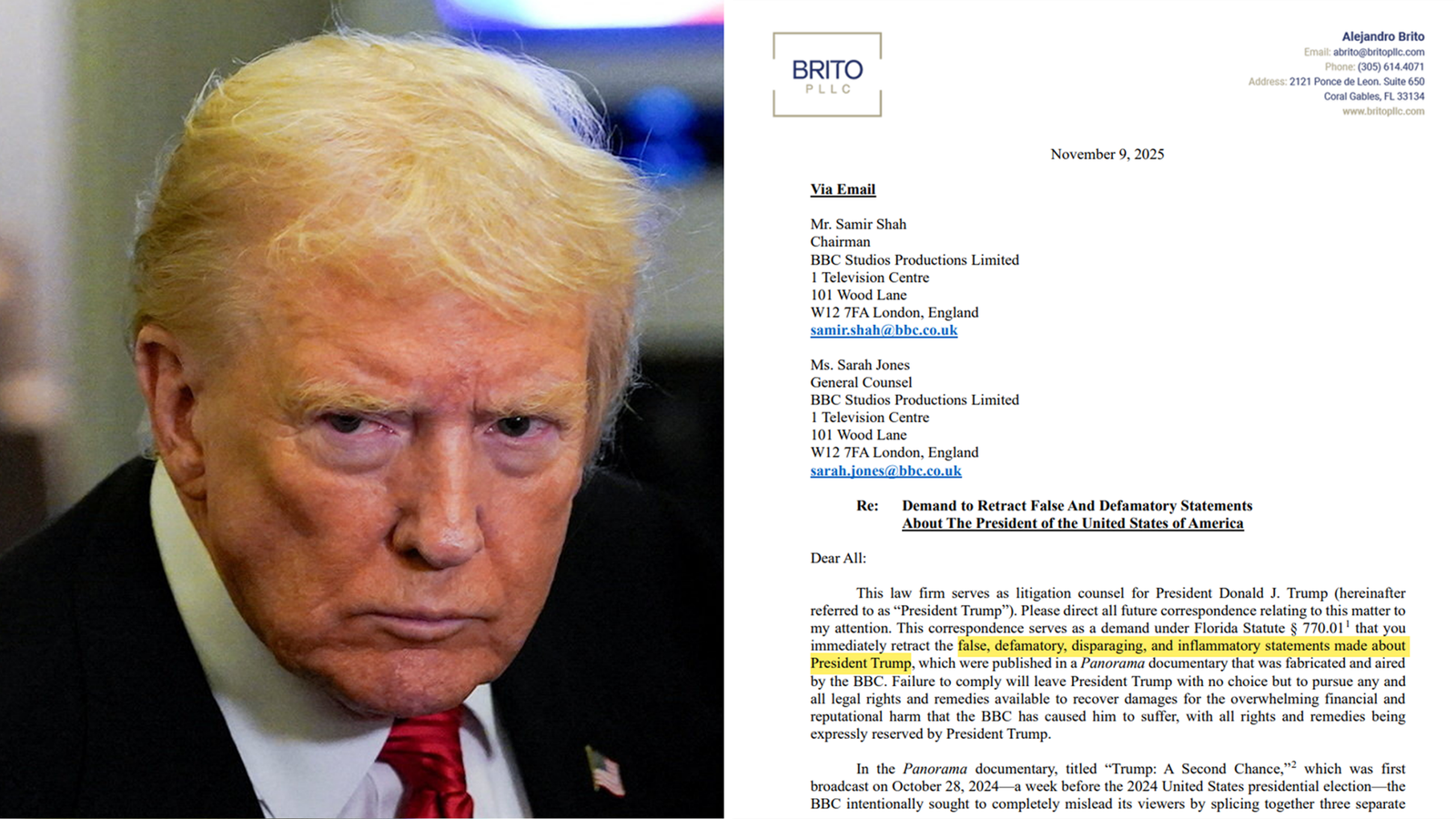
Trump Ultimatums Expose Weak Iran Leverage
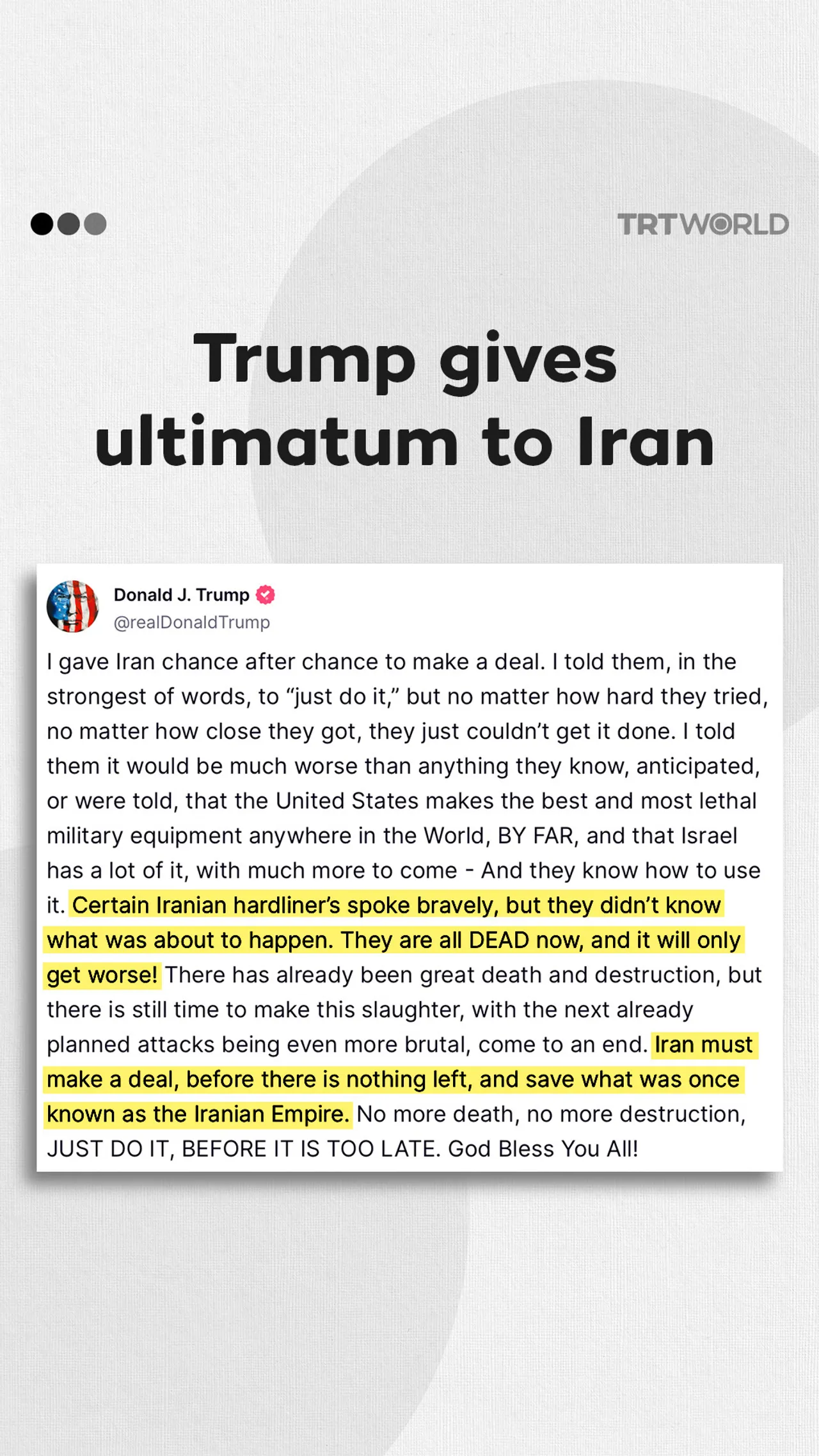
Trump Ultimatums Expose Weak Iran Leverage
When a superpower starts repeating the same threat, the message can change fast. What is meant to look like resolve can start to look like exhaustion. That is the core problem with the latest Trump ultimatums on Iran: every recycled warning risks signaling not strength, but a dwindling set of real options. For markets, diplomats, military planners, and ordinary observers, that distinction matters. Iran has spent years learning how to absorb pressure, stretch negotiations, and exploit hesitation in Washington. If the White House keeps escalating its language while avoiding decisive outcomes, Tehran notices. So do allies in the Gulf, Israel, Europe, and energy traders watching every headline for signs of a wider confrontation. The real story is not just what Trump says next. It is whether anyone still believes the threat carries new weight.
- Trump ultimatums on Iran can lose force when repeated without meaningful escalation.
- Tehran often reads public threats as a measure of Washington’s constraints, not just its intentions.
- Allies and markets watch consistency more than rhetoric when assessing US leverage.
- The gap between messaging and action can reshape regional deterrence.
Why Trump ultimatums on Iran matter beyond the headline
There is a familiar rhythm to high-pressure diplomacy: warnings, deadlines, defiance, then another round of warnings. But Trump ultimatums on Iran carry a specific strategic risk. The more often an ultimatum is issued, extended, or repackaged, the more it can function like a public admission that coercive tools are limited.
That does not mean the United States lacks power. It still commands immense military reach, sanctions capacity, intelligence advantages, and alliance networks. The issue is narrower and more politically dangerous: leverage depends on credibility. If Washington threatens consequences it is unwilling or unable to deliver, its bargaining position weakens in plain sight.
An ultimatum only works when the other side believes the cost of ignoring it is both real and imminent.
Iran’s leadership has seen this movie before. It has faced sanctions, military posturing, covert pressure, and diplomatic isolation in cycles. That history makes Tehran harder to intimidate with rhetoric alone. Repetition can become data. Every repeated threat helps Iran test where the red lines actually are.
The core strategic problem is credibility
Strong language is cheap. Credible enforcement is expensive. That gap sits at the center of the current dynamic.
Public threats can corner the speaker
When leaders issue maximalist demands in public, they reduce their own room to maneuver. If Iran refuses, the White House faces three bad choices: escalate militarily, impose sanctions that may have already reached diminishing returns, or back away and absorb the reputational cost.
None of those paths is simple. Military action carries immediate regional risks. Additional sanctions may hurt but not compel surrender. Retreat, meanwhile, invites a damaging conclusion: the ultimatum was theater.
Iran benefits from patience
Tehran does not need to win a public relations battle in Washington. It just needs to avoid being broken by pressure. That encourages a strategy of delay, calibrated resistance, and selective provocation. If the US timeline is compressed by election politics, media cycles, or internal divisions, Iran’s timeline can look stronger by comparison.
This is why repeated ultimatums often boomerang. They highlight urgency on the US side while allowing Iran to present itself as steady, defiant, and hard to move.
Allies hear the subtext too
Regional partners do not evaluate policy on rhetoric alone. They assess whether Washington’s words align with force posture, diplomatic unity, sanctions enforcement, and follow-through. If they sense hesitation, they may hedge. That can mean opening independent channels, accelerating their own defense planning, or recalibrating expectations about US guarantees.
Credibility is contagious: when it weakens in one file, it can echo across the region.
What repeated ultimatums reveal about US constraints
The sharpest insight in this moment is not that Washington lacks options. It is that every option comes with serious cost. Repeated ultimatums can therefore betray the administration’s awareness of those limits.
- Military constraints: Strikes can trigger retaliation through proxies, missile attacks, maritime disruption, or cyber operations.
- Diplomatic constraints: International support for pressure campaigns is harder to sustain without a clear offramp.
- Economic constraints: Energy markets remain sensitive to Persian Gulf instability.
- Political constraints: Domestic audiences may support toughness in theory while resisting another open-ended conflict.
Once those constraints are visible, Iran can use them. It can calculate that Washington wants the appearance of toughness more than the reality of war. That perception alone changes the bargaining environment.
When threats become repetitive, they stop sounding like escalation and start sounding like negotiation by other means.
Why this matters for regional deterrence
Deterrence is not built on volume. It is built on clarity, consistency, and believable consequences. Trump ultimatums on Iran matter because they test whether the United States can still shape adversary behavior through signaling alone.
If Iran concludes that Washington is trapped between performative toughness and practical restraint, the danger is not immediate surrender by either side. The danger is miscalculation. Tehran may push further than it otherwise would. Washington may feel pressure to act simply to restore credibility. That is how rhetorical stalemates become kinetic crises.
The proxy dimension
Iran’s regional strategy rarely relies on direct confrontation alone. It often operates through aligned militias, political networks, and asymmetric tools. That means Washington can issue a warning aimed at Tehran while the next flashpoint appears somewhere else entirely: Iraq, Syria, Lebanon, the Red Sea, or the Gulf.
This diffuse battlefield weakens blunt ultimatums. A threat designed for a single actor becomes harder to enforce when pressure is distributed across multiple channels.
The market dimension
Even when no shots are fired, repeated escalatory language has economic effects. Energy traders price in risk. Shipping insurers adjust assumptions. Investors watch for signs of supply disruption or sanctions spillover. If the rhetoric is constant but outcomes remain uncertain, volatility can become the default condition.
That uncertainty is itself a geopolitical cost. It means words are moving markets even when they are not moving policy.
The politics of sounding strong
There is also a domestic logic behind repeated ultimatums. Tough language performs well politically because it compresses complexity into a simple signal: strength. But foreign policy does not grade on tone alone. Adversaries care about incentives, constraints, and precedent.
This is where the spectacle can become self-defeating. A leader may gain short-term attention by issuing public warnings, but if those warnings do not produce visible concessions, the audience changes. The next listener is no longer the domestic base. It is the adversary, carefully measuring the gap between declaration and delivery.
Strength that must be constantly re-announced is often strength under question.
What a more effective Iran strategy would require
If repeated ultimatums are exposing weak leverage, a better approach would look less theatrical and more disciplined.
1. Clear objectives
Washington needs to define what success actually is. Is the goal de-escalation, nuclear restraint, regional deterrence, internal pressure on the regime, or all of the above? An ultimatum without a precise objective invites confusion and weakens execution.
2. Private signaling backed by public consistency
Some of the most effective coercive diplomacy happens off camera. Private channels can communicate consequences with more specificity and less pressure for public grandstanding. Public statements should reinforce that line, not constantly reinvent it.
3. Credible offramps
Pressure works better when the target can see a path to partial compliance or negotiated de-escalation. Without an offramp, threats can push the other side into symbolic defiance.
4. Allied alignment
US leverage increases when regional and European partners share both the diagnosis and the response. Fragmented messaging gives Iran openings to divide coalitions and wait out pressure.
The most persuasive threat is rarely the loudest one. It is the one attached to a coherent strategy.
What to watch next
The next phase will not be defined by whether another warning is issued. It will be defined by whether the administration changes the underlying pattern. Watch for three indicators.
- Operational shifts: changes in force posture, sanctions enforcement, or proxy targeting.
- Diplomatic discipline: fewer improvised statements and more coordinated messaging.
- Iranian response: whether Tehran escalates, stalls, or tests new thresholds indirectly.
A useful way to think about it is almost like a policy status check:
if threat == repeated and consequence == unclear: leverage--
That is not software, but it is a fair description of how strategic signaling degrades. Every unanswered ultimatum chips away at perceived resolve. Every mixed message creates room for the other side to probe.
The bottom line on Trump ultimatums on Iran
Trump ultimatums on Iran may be designed to project dominance, but repetition changes their meaning. At a certain point, the warning itself becomes evidence – evidence that Washington is struggling to convert pressure into compliance. That is the paradox of coercive diplomacy: saying more can mean holding less.
For Iran, that creates opportunity. For US allies, it creates anxiety. For the broader region, it creates instability built on ambiguity rather than decision. The real test now is not whether the rhetoric gets harsher. It is whether US policy becomes more credible, more disciplined, and more aligned with outcomes it can actually deliver.
If not, the repeated ultimatum will keep telling the same story: not of overwhelming leverage, but of its erosion.
The information provided in this article is for general informational purposes only. While we strive for accuracy, we make no guarantees about the completeness or reliability of the content. Always verify important information through official or multiple sources before making decisions.