Trump’s World Cup Power Play Shakes FIFA
Trump’s World Cup Power Play Shakes FIFA
Donald Trump has a talent for turning mega-events into leverage. The 2026 World Cup was supposed to be a global sports festival, a clean collision of commerce, tourism, and national pride. Instead, it is drifting toward a far messier reality: political influence, institutional stress, and the uncomfortable possibility that FIFA is once again treating power as a feature rather than a bug. For host cities, sponsors, and fans, that matters right now. A tournament of this scale depends on stable rules, predictable security, and credible governance. When those conditions become bargaining chips, everyone pays – from local taxpayers to the teams trying to compete under the brightest possible spotlight.
- Trump’s involvement raises the political stakes around the
2026 FIFA World Cup. - FIFA’s credibility depends on whether it can resist becoming a stage for domestic power plays.
- Host cities and sponsors face rising risk if policy, security, or optics become unpredictable.
- The real story is not just sports – it is how mega-events are governed under pressure.
Trump’s World Cup strategy is bigger than soccer
The obvious mistake is to treat the World Cup as just another sporting event. It is not. At this scale, the tournament is a global infrastructure project wrapped in branding, diplomacy, and a lot of money. That makes it politically useful. A president can use the event to signal strength, project control, and command headlines without needing to pass a bill or win a court case. The payoff is visibility. The cost is institutional drag.
That is why Trump’s posture around the tournament matters beyond the usual campaign theatrics. When a political figure with a taste for spectacle starts orbiting a mega-event, the event itself becomes part of the message. The games remain on the field, but the administration, the host committees, and FIFA’s executives are forced to answer a different question: who really sets the agenda?
When politics moves into a mega-event, the event stops being neutral infrastructure and starts becoming a stage for power.
Why FIFA is so vulnerable
FIFA has always had a governance problem. It runs the most watched sporting competition on earth, but it often behaves like a private club that confuses opacity with authority. That makes it especially vulnerable when a national leader decides to make the tournament part of a broader political narrative. FIFA needs governments for visas, security coordination, customs, transportation, and border logistics. That dependency gives politicians enormous leverage.
In theory, FIFA should be the grown-up in the room, enforcing rules and insulating the tournament from local political volatility. In practice, it often bends toward power centers that can smooth its path. That is not just a moral issue. It is an operational one. Every ounce of uncertainty – from fan travel restrictions to diplomatic disputes – becomes a planning liability for the organization.
The governance problem nobody wants to own
FIFA can promise neutrality all it wants, but neutrality is only believable when enforcement is consistent. If one government can shape access, messaging, or security terms more effectively than others, the tournament stops feeling evenly managed. That is why observers should be skeptical whenever officials frame political involvement as harmless enthusiasm. In mega-events, enthusiasm is often just a softer word for influence.
What is at stake for host cities
Host cities are the least glamorous players in this drama, and often the most exposed. They are the ones that sign transportation contracts, coordinate policing, upgrade stadium districts, and absorb public scrutiny when costs rise. If political volatility pushes the tournament off script, city governments inherit the headaches.
The pressure shows up in several ways:
- Security costs can spike if officials anticipate protests or heightened threats.
- Transportation planning becomes more fragile when federal priorities shift.
- Tourism projections can wobble if international fans sense instability.
- Public trust erodes when local leaders appear to be following decisions made elsewhere.
That is why the real measure of a successful World Cup is not just packed stadiums. It is whether the event can function without turning every administrative decision into a political signal.
The World Cup and the politics of spectacle
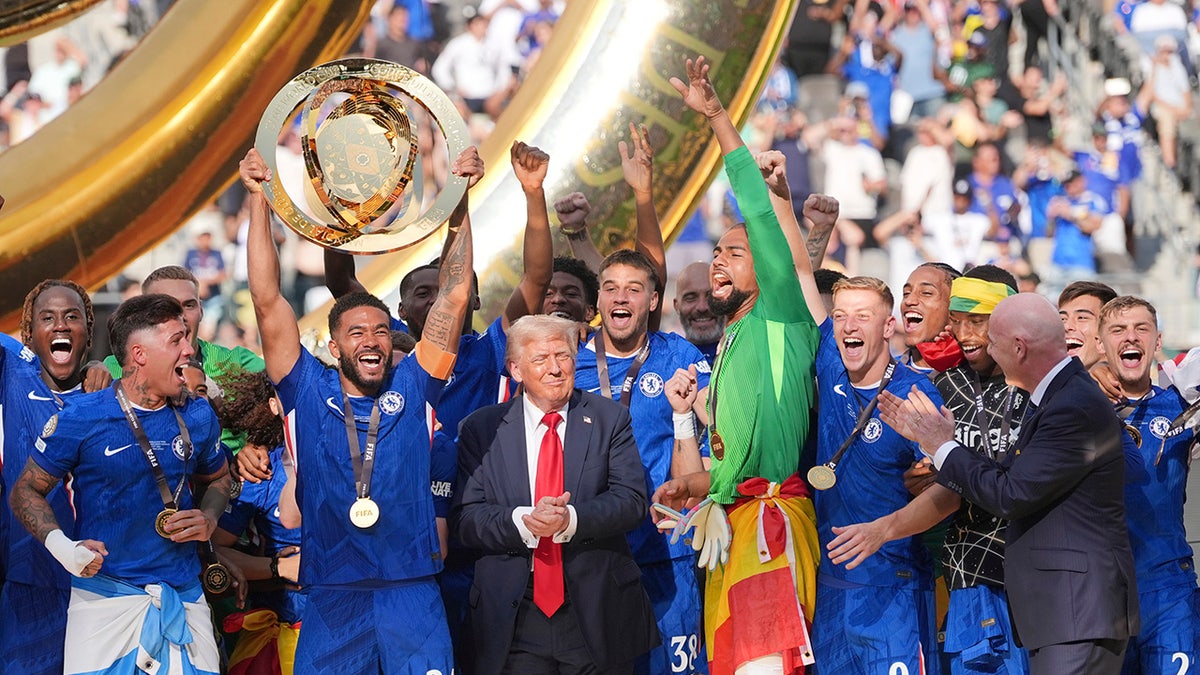
Trump understands spectacle instinctively. He knows that the most effective political moments are not always policy wins – they are visual wins. A handshake, a podium, a crowd shot, a dramatic announcement. The World Cup offers all of that in abundance. It is one of the few global events where national identity, media coverage, and emotional investment are all already built in.
That makes the tournament uniquely exploitable. A leader does not need to own FIFA to influence the narrative. It is enough to insert himself into the frame, then let the machinery of sports media do the rest. Once that happens, the tournament is no longer just about teams and trophies. It becomes a proxy debate about control, nationalism, and who gets to define success.
Big sporting events are attractive to power because they offer instant legitimacy without the burden of actual consensus.
Why this matters for fans and brands
Fans may not care about governance theory, but they care deeply about consistency. They want ticketing systems that work, travel rules that do not change overnight, and a tournament that feels bigger than politics. When the people in charge start treating the event as a political instrument, the fan experience gets worse in subtle but expensive ways.
Brands face a similar problem. Sponsors pay for association with shared joy, not institutional turbulence. The closer the event gets to political drama, the harder it becomes to preserve the commercial value of a clean, global sports narrative. That does not mean sponsors flee immediately. It means they start hedging, scrutinizing, and quietly asking whether the event they bought into still looks like the one they were promised.
The commercial risk is real
There is a reason corporations invest in mega-events only after weighing reputational exposure. A World Cup is not just inventory for ad buyers. It is a long-term bet on stability. If political interference makes the tournament look unpredictable, the premium attached to sponsorship weakens. That is the kind of erosion that does not show up in a single press release. It shows up in softer demand, tighter legal language, and more cautious future bids.
The next test for FIFA
FIFA’s next move will tell us a lot. If it responds with passive statements and vague assurances, the organization will confirm what critics already suspect: that it is more comfortable preserving access than defending institutional independence. If it draws firmer boundaries around political involvement, it may briefly invite tension but earn something more valuable – legitimacy.
That legitimacy is not abstract. It is the currency that keeps global tournaments functioning across shifting governments and competing agendas. Without it, every host nation becomes a potential battleground for influence. With it, FIFA can at least claim that the sport still comes first.
A strategic warning for 2026
The 2026 tournament will not fail because of one political figure alone. It will fail if too many institutions decide that managing optics is more important than protecting standards. That is the deeper warning here. The pressure around Trump and the World Cup is just the latest reminder that mega-events are only as stable as the systems behind them.
For the United States, Canada, and Mexico, the challenge is to keep the tournament focused on football rather than political theater. For FIFA, the challenge is even harder: prove that the organization can still govern something this large without surrendering to the loudest power in the room.
That is the real story. Not whether Trump can dominate the conversation – he can. The question is whether FIFA can keep the World Cup from becoming collateral damage in the process.
The information provided in this article is for general informational purposes only. While we strive for accuracy, we make no guarantees about the completeness or reliability of the content. Always verify important information through official or multiple sources before making decisions.