UK-UAE Ties Face Sudan Pressure
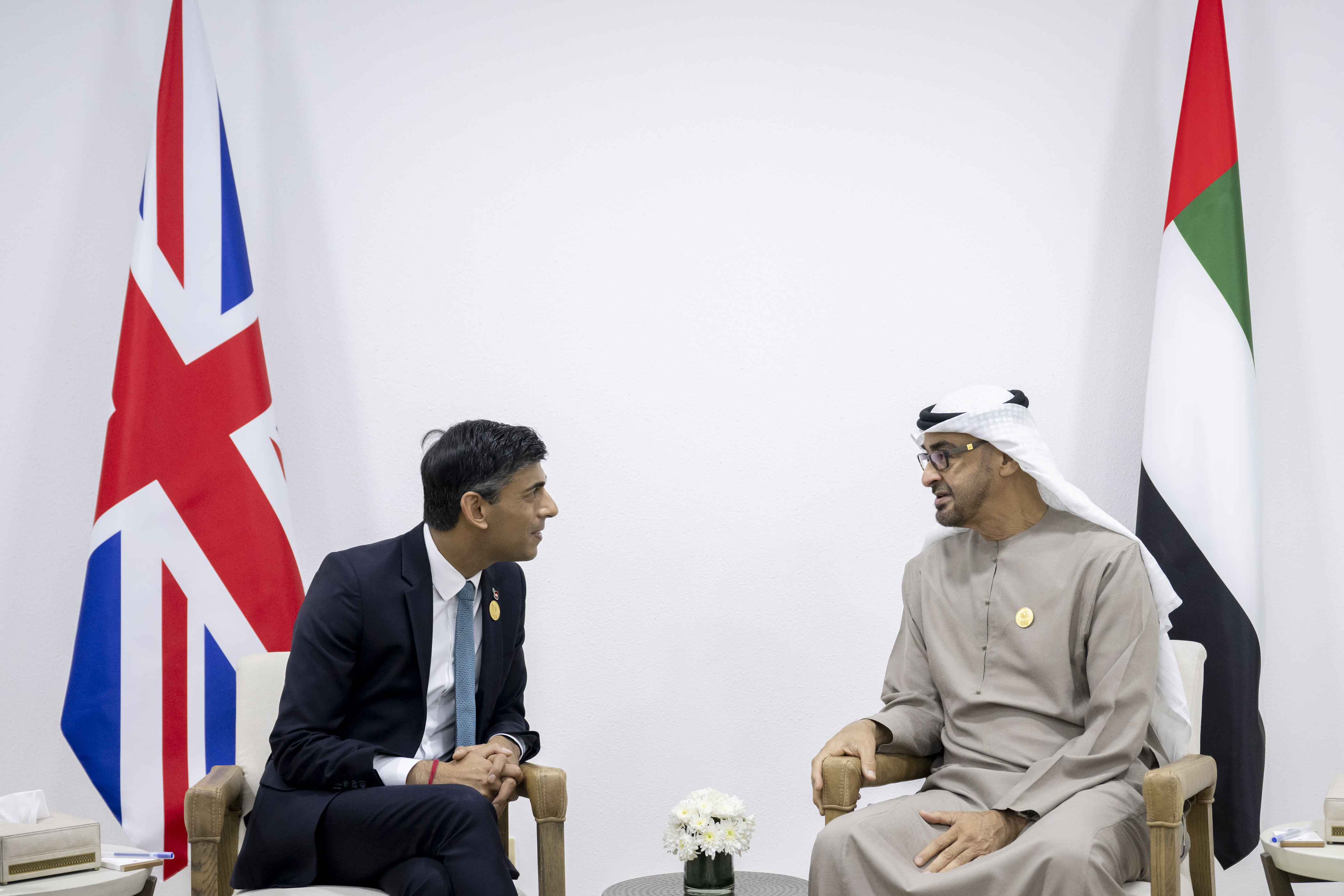
UK-UAE Ties Face Sudan Pressure
The fallout from Sudan is no longer a distant humanitarian crisis. It is a foreign policy test with real consequences for how the UK balances trade, security, and accountability. As MPs examine allegations of mass atrocities and the role of external actors, the spotlight is shifting toward the UAE and the uneasy logic of maintaining close ties while violence escalates. For policymakers, this is not just about condemnation. It is about whether strategic relationships can survive scrutiny when evidence of abuse keeps piling up. The political risk is obvious, but so is the moral one: every delayed decision deepens the question of whether the UK is willing to confront partners when the stakes are highest.
- UK-UAE ties are being tested by growing pressure over Sudan.
- MP scrutiny is shifting from rhetoric to accountability and supply-chain questions.
- The Sudan conflict is exposing the limits of quiet diplomacy.
- Future UK policy may hinge on sanctions, arms controls, and trade-offs with Gulf partners.
Why UK-UAE ties are suddenly a harder sell
The diplomatic relationship between the UK and the UAE has long been framed as pragmatic. Trade, investment, intelligence cooperation, and regional stability have made it one of London’s most durable Gulf partnerships. But the Sudan war has turned that pragmatism into a liability. As reports of mass atrocities mount, the question is no longer whether the UK values the relationship. It is whether the relationship is constraining the UK’s response to credible allegations involving a key partner.
That tension is exactly why UK-UAE ties are becoming a political flashpoint. For years, the relationship benefited from a broad assumption that engagement was safer than confrontation. That assumption weakens quickly when civilian harm escalates and parliamentary attention follows. The more the conflict in Sudan is linked to outside support, logistics, or political protection, the more the UK will be forced to decide whether it is comfortable treating partnership as a shield.
Quiet diplomacy can buy time, but it cannot buy legitimacy when the evidence trail keeps expanding.
What MPs are really probing
The committee scrutiny matters because it shifts the debate from general concern to structured accountability. MPs are not just asking who says what about Sudan. They are asking what governments knew, when they knew it, and how their policy choices may have enabled or failed to deter abuses. That is a very different test from issuing a standard ministerial statement.
Follow the incentives, not just the headlines
At the center of the issue is a familiar geopolitical dilemma: states often denounce atrocities while preserving channels to the actors most able to influence events. The result is a gap between public language and private leverage. In practice, that gap can look like delayed sanctions, muted criticism, or carefully worded concern that avoids naming the political costs.
For the UK, the pressure is sharpened by its broader posture in the Gulf. If London is seen as unwilling to interrogate partner conduct in Sudan, it risks appearing selective about human rights. That matters because credibility is cumulative. Once allies and critics conclude that ethical claims are negotiable, every future statement carries less weight.
Sudan and the limits of strategic realism
The Sudan conflict has become a stress test for the doctrine that engagement with powerful regional states delivers more stability than public confrontation. That argument has value – up to a point. It recognizes that governments rarely act well when isolated, and that diplomacy often requires compromise. But compromise is not the same as complacency. When civilian deaths, displacement, and destruction intensify, realism without red lines starts to look like avoidance.
This is where the debate around UK-UAE ties becomes bigger than one bilateral relationship. It asks whether Western governments can still claim to support rules-based order while keeping high-value partnerships insulated from consequence. The answer will shape not only Sudan policy but also future decisions on arms exports, intelligence cooperation, and trade diplomacy.
Why this matters beyond Sudan
Sudan is not a one-off. It is part of a wider pattern in which regional wars are influenced by external supply chains, political cover, and strategic hedging. If the UK responds weakly here, it signals to other actors that the cost of influence is low. If it responds forcefully, it may strain relationships but restore some policy discipline. Either way, the decision has precedent value.
That is especially important for governments trying to navigate competing priorities: human rights, energy security, commercial access, and counterterrorism coordination. The instinct to keep every channel open is understandable. But a foreign policy built entirely on optionality eventually becomes indistinguishable from drift.
The UAE question is about leverage, not just blame
It is tempting to frame the issue as a binary: either the UAE is complicit, or it is not. But committee scrutiny usually lands in a more complicated place. The real question is what degree of leverage the UAE has over the conflict and whether that leverage has been used responsibly. That includes examining political support, logistical links, procurement pathways, and the broader ecosystem that sustains armed actors.
This is why the debate should not get trapped in abstraction. Policymakers need to ask what tools are available and whether they are being used. Those tools may include public pressure, targeted sanctions, restrictions on arms-related activity, and closer coordination with allies to reduce room for plausible deniability. If the UK wants to show seriousness, it cannot stop at concern.
Pro tip: foreign policy accountability becomes real only when governments are willing to convert language into constraints.
What a stronger UK response could look like
A serious response does not require theatrical diplomacy. It requires discipline. The UK can still protect broader strategic interests while acknowledging that normal business cannot continue untouched if credible evidence of mass abuses keeps growing.
- Review export and partnership exposure across security, dual-use, and defense-linked channels.
- Increase transparency around what the government knew and when it knew it.
- Coordinate with allies so any response is harder to dismiss as symbolic.
- Separate trade from impunity by making clear that commercial ties do not immunize partners from scrutiny.
These steps are not radical. They are the minimum required to show that diplomacy still has standards. The danger for the UK is that hesitation becomes policy by default. Once that happens, it becomes much harder to recover leverage later.
How UK-UAE ties could change next
The most likely near-term outcome is not rupture. It is recalibration. Governments are usually reluctant to blow up major relationships, especially with partners who matter on trade and regional security. But recalibration can still be meaningful if it changes the costs of inaction. That could mean more public questioning in Parliament, stricter scrutiny of future cooperation, and a tougher line on conflict-related conduct.
There is also a reputational dimension. The UK wants to be seen as a serious actor on global governance and humanitarian law. If it cannot apply pressure where abuse is most visible, that reputation weakens. And unlike a single policy dispute, reputational damage compounds. It affects future negotiations, alliance-building, and the extent to which other governments take British criticism seriously.
The strategic trade-off London cannot avoid
The UK can preserve access and preserve principles, but not always at the same time, and not without friction. That is the unavoidable trade-off sitting behind the Sudan debate. If ministers continue to prioritize smooth bilateral ties above all else, they may avoid immediate conflict. But they will also deepen the impression that accountability is secondary when interests are involved.
For readers tracking foreign policy closely, that is the key story: not whether the UK and UAE remain allies, but what kind of ally the UK wants to be. Strategic partnerships are strongest when they can absorb scrutiny. If they cannot, they are less partnership than preference.
Sudan has exposed that reality in painful detail. The next move from London will show whether the government understands the difference between managing a crisis and merely managing the optics around one.
The information provided in this article is for general informational purposes only. While we strive for accuracy, we make no guarantees about the completeness or reliability of the content. Always verify important information through official or multiple sources before making decisions.


