US Sanctions Shake Cuba Power Circle
US Sanctions Shake Cuba Power Circle
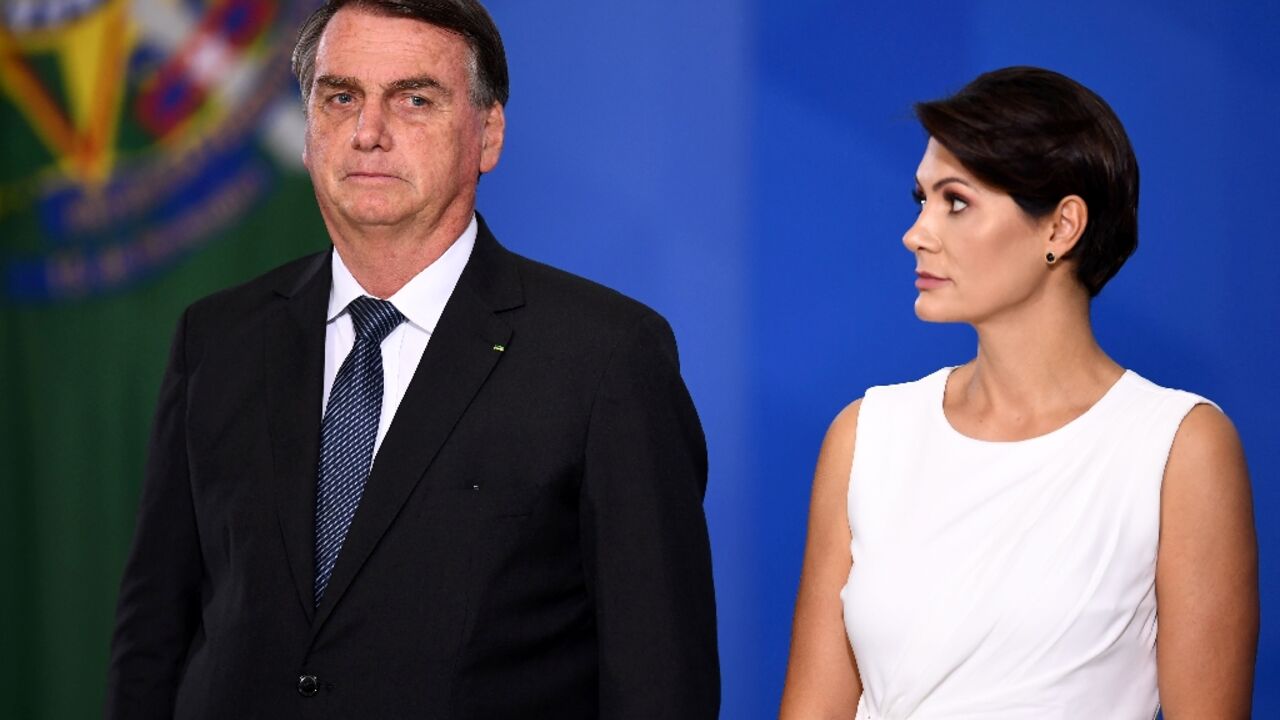
Washington has pushed its Cuba policy back into the global spotlight, and this time the target is not vague rhetoric or symbolic posturing. The latest US sanctions on Cuba aim directly at President Miguel Diaz-Canel and members of the Castro family, tightening pressure on the island’s ruling elite at a moment when Cuba is already strained by economic crisis, emigration, and political fatigue. For businesses, diplomats, and ordinary Cubans, this is not just another headline. It is a reminder that US-Cuba relations can still shift fast, with real consequences for trade, travel, investment sentiment, and regional politics. The move also revives a familiar question: do targeted sanctions weaken authoritarian power structures, or do they simply harden them?
- Washington escalated pressure by targeting Cuba’s top leadership and the Castro family.
- The sanctions are politically potent because they focus on power, legitimacy, and elite accountability.
- Cuba’s economy is already fragile, which makes any new external pressure more consequential.
- The regional impact matters, especially for migration, diplomacy, and investor confidence.
- The big unresolved issue is whether targeted sanctions change behavior or deepen the standoff.
Why US sanctions on Cuba matter right now
The timing is not accidental. Cuba has been navigating overlapping pressures: shortages, inflation, power cuts, weak tourism recovery, and an exodus that has reshaped family life and labor markets. Against that backdrop, sanctions aimed at the country’s most recognizable political figures are designed to send a message beyond Havana. They tell allies, domestic US audiences, and Cuba’s ruling class that Washington is willing to personalize accountability.
That matters because sanctions are no longer just a blunt instrument against states. Modern sanctions strategy often tries to isolate decision-makers, constrain their mobility, limit access to financial systems, and attach reputational costs to political repression or democratic backsliding. In practical terms, the pressure is often less about immediate economic collapse and more about narrowing elite options.
Targeting a regime’s inner circle is meant to do two things at once: raise the diplomatic cost of staying the course and remind the public that responsibility sits with people, not abstractions.
Still, Cuba is not a typical sanctions case. The island’s political system has decades of experience absorbing US pressure and folding it into its own narrative of resistance. That historical memory shapes how both governments play this game.
The political logic behind targeting the Castro family
Sanctioning the Castro family carries symbolic and strategic weight. Symbolically, it reaches for the most powerful political surname in modern Cuban history. Strategically, it reframes the issue from a general dispute with the Cuban state to a direct confrontation with individuals associated with continuity, control, and regime identity.
That distinction is important. When sanctions target institutions, governments can often diffuse responsibility. When they target named leaders and family networks, the move becomes harder to dismiss as generic hostility. It also sharpens the narrative for media coverage and domestic politics in the US, where Cuba policy remains emotionally and electorally charged.
Why symbolism still matters in hard policy
In geopolitics, symbolism is not a side show. It shapes deterrence, alliance signaling, and public expectations. By zeroing in on Cuba’s leadership circle, Washington is trying to show that the issue is governance and accountability, not merely ideology. That framing could resonate with parts of the international community that are skeptical of broad embargo-style pressure but more open to sanctions on specific officials.
The limits of personal sanctions
There is an obvious catch. Personal sanctions only work well when the targets rely on external travel, international banking exposure, or foreign-linked assets and prestige. If those links are already limited, the practical pain may be smaller than the political theater. The pressure can still matter, but often as a long game rather than an instant disruption.
Pro Tip: When evaluating sanctions, separate headline impact from operational impact. A measure can dominate the news cycle while producing only gradual real-world constraints.
What this means for Cuba’s economy and daily life
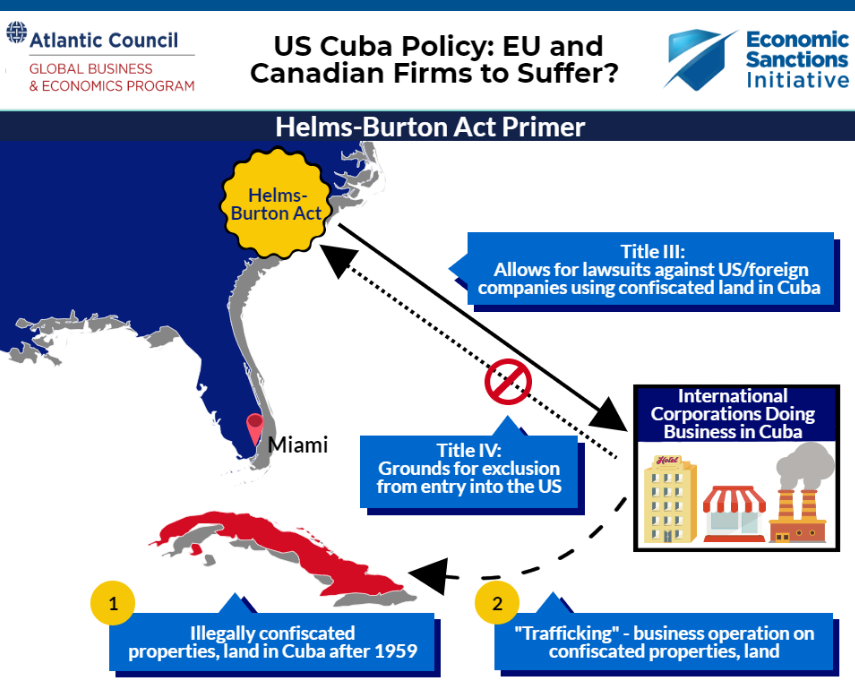
The immediate sanctions target may be the leadership, but Cuba’s broader economy never operates in a vacuum. Any high-profile escalation from Washington can ripple through tourism sentiment, remittance behavior, compliance practices at foreign banks, and the willingness of outside actors to engage with Cuban-linked transactions. Even where legal exposure is narrow, perceived risk often expands faster than the text of the policy itself.
This is one of the most underappreciated features of sanctions policy: compliance overcorrection. Banks, payment processors, insurers, travel operators, and service providers may adopt a stricter internal stance than regulators explicitly require. They do it because ambiguity is expensive and penalties are worse. The result can be a chilling effect that reaches beyond the official target list.
The compliance shadow effect
For businesses and institutions, the danger is rarely just direct prohibition. It is uncertainty. Once a sanctions move lands, legal teams start asking questions around beneficial ownership, politically exposed persons, and transaction screening. That can slow legitimate activity, especially in a country already considered high risk by many counterparties.
- Financial services may tighten account reviews or decline Cuba-linked activity.
- Travel and hospitality can face renewed caution from operators and consumers.
- Foreign partners may reassess exposure even if they are not directly bound by US rules.
- Diaspora networks may experience friction in transfers, bookings, or service access.
For ordinary Cubans, that matters because macro pressure often trickles down unevenly. The elite may absorb restrictions, but households feel shortages, slower commerce, and fewer channels for economic support.
US sanctions on Cuba and the diplomacy problem
Any fresh escalation also reshapes the diplomatic map. Latin American governments, European partners, and multilateral actors often view Cuba through a different lens than Washington does. Many are more inclined toward engagement than isolation, especially when broad pressure appears to worsen humanitarian conditions without producing political reform.
That creates a recurring dilemma for the US. A sanctions move can energize domestic supporters while making coalition-building harder abroad. If the objective is behavioral change, Washington needs enough international alignment to sustain pressure and enough credibility to argue that the measures are focused, justified, and proportionate.
Sanctions are strongest when they are legible: clear in purpose, narrow in target, and connected to achievable political outcomes.
If allies see the move as largely performative, the policy may remain loud but strategically thin. If they see it as a measured response to abuses or democratic erosion, it gains traction.
The migration angle
Cuba policy does not stay inside Cuba. Economic deterioration can accelerate outward migration, which then lands back on the US political agenda. That feedback loop complicates hardline strategies. A policy intended to pressure the leadership can contribute to conditions that intensify migration management challenges across the region.
Can targeted sanctions actually change regime behavior?
This is the central question, and the honest answer is messy. Sanctions can constrain, stigmatize, and signal resolve. They can also entrench narratives of external aggression, giving governments a familiar enemy to blame for internal failures. Cuba’s leadership has long experience using that script.
The strongest argument in favor of targeted sanctions is that they establish consequences without defaulting to broad collective punishment. They can also build a documented accountability framework over time, especially when paired with visa restrictions, asset scrutiny, and coordinated diplomatic pressure.
The strongest argument against them is that entrenched regimes often prioritize survival over normalization. If the political cost of reform feels higher than the cost of sanctions, leaders dig in.
What tends to make sanctions more effective
- Specific goals rather than vague punishment.
- Multilateral support instead of mostly unilateral pressure.
- Off-ramps that define what behavior change earns relief.
- Consistency across administrations and agencies.
- Humanitarian insulation so civilians are not the main shock absorbers.
Without those elements, sanctions often become political fixtures rather than strategic tools.
Why this moment feels bigger than one policy announcement
These sanctions land at the intersection of old history and new instability. Cuba is not just dealing with a diplomatic dispute. It is confronting structural economic weakness, a legitimacy challenge from younger generations, and the long tail of a system struggling to modernize without losing control. The US, meanwhile, is balancing electoral politics, human rights messaging, and regional security concerns.
That is why this move deserves more attention than a routine foreign policy update. It reflects a broader shift toward personalized accountability in statecraft, where sanctions target not just governments but family networks, power brokers, and the reputational architecture of rule.
For observers in business and policy, the lesson is straightforward: watch the second-order effects. The first wave is political messaging. The second wave is compliance tightening, diplomatic recalibration, and shifts in how Cuba is priced, perceived, and engaged internationally.
What to watch next
The next phase will be defined less by the announcement itself and more by implementation. Markets, ministries, and migration systems respond to details.
- Whether additional names or entities are added to sanctions-related lists.
- How allies react publicly and in their own policy posture.
- Whether Cuba changes its rhetoric or hardens it further.
- Signs of compliance spillover in banking, travel, and commercial services.
- Any humanitarian carve-out messaging that tries to manage criticism.
For now, the immediate takeaway is clear. US sanctions on Cuba are once again a live, consequential force in regional politics, and targeting the top of the power structure raises the stakes far beyond symbolism. Whether that pressure produces leverage or simply more deadlock will depend on what comes after the headlines.
The information provided in this article is for general informational purposes only. While we strive for accuracy, we make no guarantees about the completeness or reliability of the content. Always verify important information through official or multiple sources before making decisions.