US Vessel Strike Shakes Eastern Pacific Security
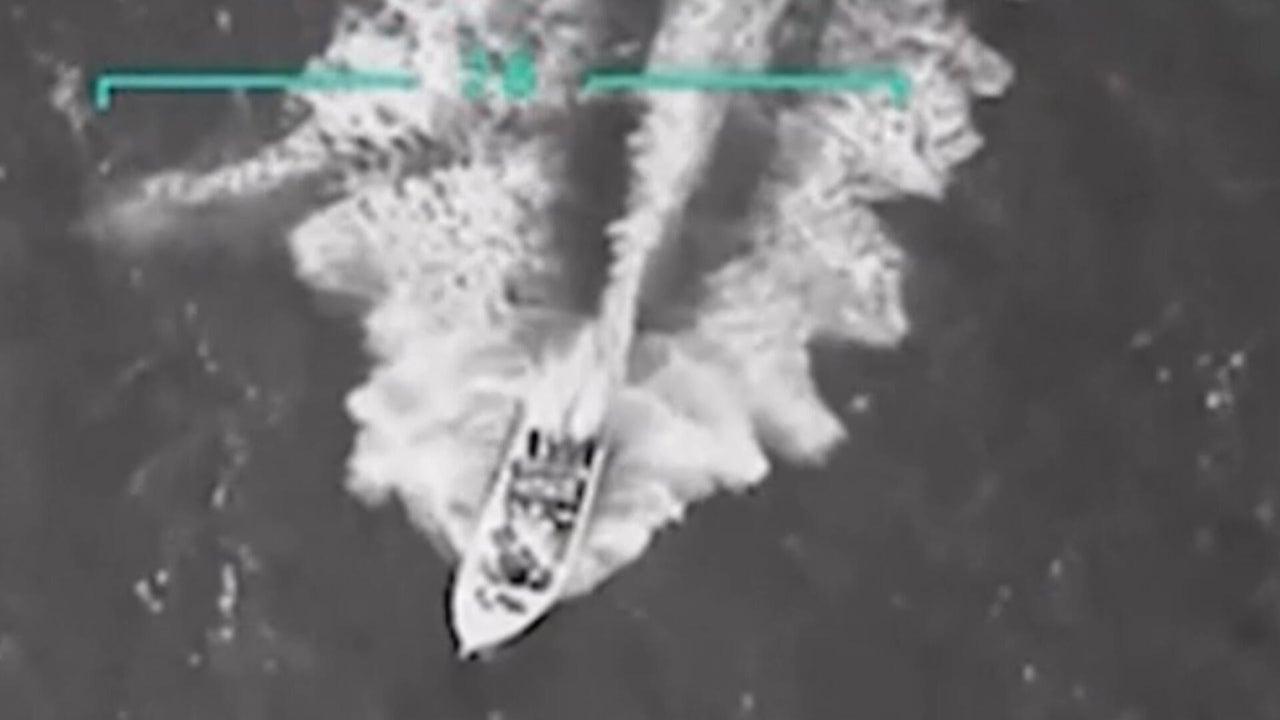
US Vessel Strike Shakes Eastern Pacific Security
The US vessel strike in the Eastern Pacific is the kind of event that forces a hard reset. A single blast at sea can ripple far beyond the immediate casualty count, changing how governments patrol shipping lanes, how militaries justify force, and how quickly a regional incident becomes a geopolitical problem. The modern ocean is not empty water. It is a contested communications route, a surveillance zone, and, increasingly, a theater for blurred conflict. That makes this strike more than a headline. It is a stress test for maritime rules, intelligence confidence, and political restraint. If the details hold, the message is blunt: the Pacific is no longer just a corridor for trade. It is a place where strategy now arrives at speed.
- The
US vessel strikespotlights rising tension in the Eastern Pacific. - Maritime incidents can escalate faster than governments can verify the facts.
- Force at sea now has legal, political, and commercial consequences.
- Shipping, surveillance, and deterrence are increasingly intertwined.
- The biggest risk is not only the strike itself, but the precedent it sets.
Why the US vessel strike matters now
The immediate instinct is to treat the incident as an isolated military action. That would be a mistake. A strike on a vessel in international waters, or near a contested corridor, does not sit neatly inside one policy box. It touches homeland security, naval doctrine, regional diplomacy, and the economics of maritime trade. That is why the US vessel strike matters so much. It signals that maritime enforcement and military action are converging in a way that leaves little room for ambiguity.
For the United States, the challenge is credibility. If the strike was carried out to disrupt a threat, then officials will need to prove the intelligence was solid and the legal basis was defensible. If it was meant as deterrence, the burden is even higher. Deterrence only works when rivals believe the next move is both possible and predictable. At sea, predictability is rare.
The Pacific is becoming a live-action policy zone
The Eastern Pacific has long been framed as distant, but distance is no longer a shield. Smuggling routes, surveillance drones, naval patrols, and commercial traffic now collide in the same operational space. The result is a region where a single event can trigger surveillance alerts, diplomatic protests, and military posturing within hours.
This is the deeper story behind the US vessel strike: the ocean is becoming one of the clearest stages for gray-zone conflict. These are not always declared wars. They are pressure campaigns, interdictions, and signaling moves designed to stay below the threshold that would force a full-scale response. That makes them harder to manage, not easier.
What a vessel strike at sea really signals
A maritime strike is never just about the vessel. It is about the message attached to it. Was the target carrying weapons, people, contraband, or intelligence equipment? Was the attack intended to deny access, eliminate a threat, or send a warning to a broader network? Each explanation carries a different strategic meaning.
That is why analysts focus so heavily on the chain of decision-making. If the intelligence was time-sensitive, the strike may have been intended to prevent an imminent attack. If the target was part of a pattern of hostile movement, the action may have been designed to break a supply line or disrupt trafficking infrastructure. If neither explanation is convincing, the incident risks being seen as overreach.
The real danger is not a single strike. It is the normalization of force in places where attribution is weak and accountability is slower than the tempo of events.
That is the diplomatic trap. At sea, facts arrive late. Video is incomplete, radar tracks are contested, and governments often speak before investigators finish reconstructing the event. In that vacuum, narratives harden fast.
How the US vessel strike changes maritime security
Maritime security has never been just about warships. It is about layered detection, legal authority, and the ability to act before a threat crosses a critical line. The US vessel strike suggests those layers are tightening, but also becoming more aggressive. That has several consequences.
- Patrols will get closer to suspected routes. Expect more persistent monitoring of vessels operating in patterns that suggest trafficking or hostile logistics.
- Rules of engagement may become more elastic. When threats are framed as mobile and time-sensitive, commanders gain more discretion.
- Commercial shipping could face tighter screening. Even legitimate operators may see more boarding, tracking, and inspection activity.
- Regional allies will demand clearer coordination. If U.S. action affects nearby waters, neighboring states will want advance notice and shared intelligence.
The challenge is that every added layer of security creates friction. Shipping delays, insurance premiums, and rerouting costs are not side effects. They are part of the geopolitical bill. A single strike can raise the price of moving goods if it convinces insurers that a route is becoming less stable.
Pro tip for reading maritime incidents
When reporting on a sea strike, do not stop at the explosion. Ask three questions: Who authorized the action? What intelligence justified it? What happens if the target was misidentified? Those questions separate tactical success from strategic risk. A strike can be operationally effective and politically disastrous at the same time.
The legal and political fault lines
The legal framing of the US vessel strike will matter almost as much as the strike itself. If the vessel was in international waters, the United States will need to explain its authority in unusually clear language. If the target posed an immediate threat, officials may lean on self-defense arguments. If the vessel was linked to organized crime or weapons trafficking, the rationale shifts again, toward interdiction and counter-network operations.
But law is only half the story. Politics can be harsher than jurisprudence. A strike that looks precise from Washington may look unilateral from Latin America or the wider Pacific basin. Governments in the region may not dispute the need for security, but they may object to being left out of the decision loop. That matters because maritime legitimacy depends on cooperation.
There is also the domestic angle. Force at sea plays differently when the public cannot see the target, the chain of command, or the aftermath. Officials will likely face pressure to release evidence, clarify the mission, and show that the action fits broader strategy rather than opportunistic escalation.
What this means for defense strategy
The deeper lesson from the US vessel strike is that naval power is shifting from deterrence by presence to deterrence by interception. That sounds subtle, but it is a major doctrinal change. Presence means being there, watching, signaling, and absorbing ambiguity. Interception means acting quickly once a pattern is detected. It is faster, sharper, and riskier.
That transition reflects the reality of modern threats. Fast boats, illicit cargo chains, and distributed smuggling networks do not wait for long approval chains. Neither do state-backed proxies. As a result, military planners are being pushed toward more autonomous detection systems, improved drone surveillance, and tighter fusion between intelligence agencies and maritime units.
Still, speed comes with a price. The faster the response, the less time there is to verify. The more automated the tracking, the greater the risk of false positives. That is where future incidents may become more dangerous than this one. The issue is not whether the U.S. can strike. It is whether it can do so without creating a feedback loop of mistrust and retaliation.
In maritime conflict, the technical ability to act is no longer the hard part. The hard part is proving the action was necessary before the political window closes.
Why this matters for technology and surveillance
It may seem strange to place a vessel strike in a technology conversation, but modern maritime force is deeply tech-driven. Satellite imagery, signal interception, AI-assisted pattern recognition, and real-time command systems all shape what happens before a strike is ever launched. The US vessel strike is therefore also a story about data confidence.
That matters because surveillance systems are only as strong as the assumptions baked into them. A vessel can look suspicious because it is dark, slow, unregistered, or off-route. But those same traits can describe fishing boats, humanitarian craft, or commercial transits operating under poor conditions. The technology stack may be sophisticated, yet the final judgment is still human.
Expect more investment in maritime domain awareness tools, including better sensor fusion and persistent tracking. Expect also louder debate over how much autonomy commanders should have when live data is incomplete. The future of maritime security will be shaped as much by software and dashboards as by missiles and patrol craft.
The likely fallout from the US vessel strike
The aftermath will likely unfold in layers. First comes the official explanation. Then comes the counter-narrative, whether from the vessel’s operators, neighboring governments, or rights groups. Then comes the policy response, which may include new patrols, revised engagement rules, or diplomatic outreach. Only after that will the full strategic meaning become visible.
There is a real chance this incident becomes a template. If policymakers see the strike as clean and effective, they may lean harder into similar actions elsewhere. If they see blowback, they may slow down and tighten oversight. Either way, the precedent will travel.
That is why the biggest consequence may be institutional, not tactical. Bureaucracies remember what works under pressure. If a vessel strike produces short-term gains, agencies will file it away as an available tool. That makes the next decision easier, and the threshold for force lower. History rarely moves in dramatic leaps. It usually drifts.
The bottom line
The US vessel strike is not just a maritime incident. It is a marker of how modern security is changing: faster, more distributed, and more dependent on imperfect intelligence. It exposes the tension between rapid action and public legitimacy, between deterrence and escalation, between regional stability and operational necessity.
For readers, the key takeaway is simple. Do not treat this as a one-off blast at sea. Treat it as a warning about the future shape of conflict. The next major dispute may not begin with a border crossing or a missile test. It may begin with a vessel, a sensor feed, and a decision made under pressure far from shore.
The information provided in this article is for general informational purposes only. While we strive for accuracy, we make no guarantees about the completeness or reliability of the content. Always verify important information through official or multiple sources before making decisions.