US Visa Crackdown Spreads Fast
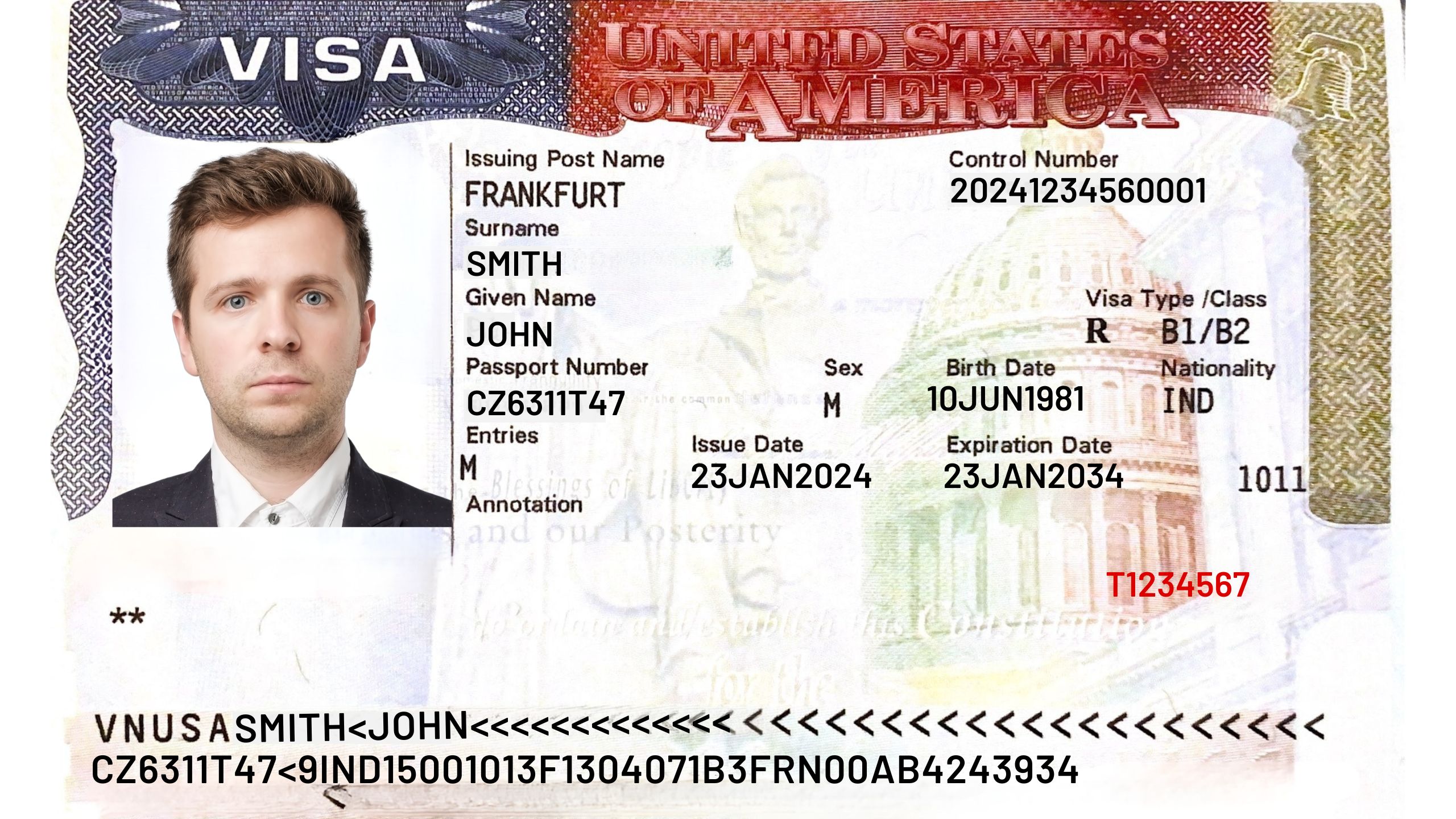
US Visa Crackdown Spreads Fast
The US immigration system is entering another destabilizing phase, and US business tourism visas are now part of the pressure point. A policy that targets hundreds of thousands of asylum seekers with potential visa revocations is not just an administrative tweak. It is a signal that Washington is willing to push immigration enforcement deeper into the travel and visa ecosystem, with consequences that could ripple through employers, families, legal advocates, and the broader economy. For anyone navigating the US as a worker, visitor, or asylum applicant, the stakes just rose sharply.
- US officials are weighing a broad visa revocation move affecting asylum seekers with business or tourist status.
- The policy could increase uncertainty for travelers, employers, and immigration attorneys.
- It reflects a harder federal stance that blends border enforcement with visa administration.
- The practical impact may be as much about fear and disruption as it is about actual removals.
What the US visa revocation plan signals
The headline is blunt: the government may move to revoke business and tourism visas tied to large numbers of asylum seekers. That matters because visas are not just entry documents. They are a permission structure, a status signal, and a gatekeeping tool for who gets to remain in the country while cases play out.
At a policy level, this looks like an attempt to tighten the link between immigration enforcement and visa oversight. Instead of treating asylum claims as a separate humanitarian and legal track, officials appear to be folding them into broader admissibility and compliance scrutiny. That is a significant shift. It suggests the US is using every available lever – from consular records to visa validity checks – to reduce the margin for ambiguity.
Once visa status becomes a moving target, the real consequence is uncertainty. And uncertainty is its own form of enforcement.
Why this move matters now
The timing is important. US immigration policy has already become a central political fault line, and visa systems are increasingly being used as instruments of deterrence. When a government signals that it may revoke US business tourism visas on a large scale, it is not only targeting people already inside the process. It is also sending a message to future applicants: your status can be revisited, and your pathway may be narrower than it looks.
That has ripple effects beyond immigration courts. Employers rely on travel certainty for meetings, onboarding, and cross-border projects. Universities, investors, and family networks also depend on predictable entry rules. If travelers begin to believe that a valid visa can be swept up in a wider enforcement push, the result is not just legal anxiety. It can alter behavior, reduce travel, and raise the cost of doing business with the United States.
US business tourism visas and the enforcement logic
The core policy question is whether the government is trying to solve a paperwork problem, a border management problem, or a political one. The answer is likely all three.
Visa revocations are attractive to policymakers because they are fast, bureaucratic, and visible. Unlike court cases, they do not always require a long public process. Unlike physical enforcement operations, they can be framed as routine administrative action. And unlike legislative reform, they can happen quickly inside the executive branch.
But speed comes with tradeoffs. The broader and less discriminating the policy, the more likely it is to catch people whose cases are unresolved, complicated, or still moving through lawful channels. That is where the policy begins to collide with due process concerns. If the government treats a visa as revocable simply because an individual has sought asylum, it risks confusing legal status with political suspicion.
The practical effects on travelers
For affected travelers, the immediate concerns are straightforward:
- Visa validity may no longer guarantee entry.
- Pending asylum claims could trigger extra scrutiny at ports of entry.
- Routine travel for work or family visits could become riskier.
- People may avoid travel altogether to reduce exposure.
That last point may be the most consequential. A policy does not need to revoke every visa to be effective. If enough people fear their next trip could become a problem, compliance through self-restraint does the rest.
Legal friction and due process concerns
Any move to revoke large numbers of visas tied to asylum seekers will collide with the legal architecture of US immigration law. Asylum is supposed to provide a route for people who claim fear of persecution. Business and tourist visas, meanwhile, are temporary entry channels governed by different standards. When those systems overlap, the legal questions get messy fast.
The central issue is whether the government can make a broad inference that an asylum seeker should lose a prior nonimmigrant visa simply because they later asked for protection. In practice, these cases may involve people who entered legally, changed circumstances, or fled conditions that became dangerous after arrival. A blanket response risks punishing people for using the very system the US says it upholds.
That is why legal advocates are likely to focus on process, notice, and individualized review. A mass revocation approach may be efficient, but efficiency is not the same thing as legality. And in immigration law, the difference matters a lot.
Mass visa actions are often defended as administrative housekeeping, but for the people inside them, the consequences can be life-changing.
What businesses should watch
Companies that rely on international mobility should treat this as a real operational issue, not just a political headline. If the policy expands, travel teams may need to reassess trip approvals, contingency plans, and legal review thresholds for employees or contractors whose immigration status is complex.
Pro tip: employers should build a more conservative travel checklist for any worker who has a pending or prior asylum-related matter. Even if the person is traveling on a different visa category, the administrative risk may now be higher than before.
- Review traveler status before booking nonessential trips.
- Document immigration counsel input for high-risk cases.
- Prepare backup arrangements for meetings and onboarding.
- Update HR teams on possible port-of-entry delays.
For multinational firms, the bigger risk is operational unpredictability. If employees start missing trips, client meetings, or relocation windows because of visa uncertainty, the downstream cost can be substantial. That is especially true in industries that depend on just-in-time global movement, such as consulting, finance, research, and tech.
How the policy could reshape asylum politics
This move, if fully implemented, would fit a broader strategy that treats asylum not only as a humanitarian pathway but also as a border-control pressure valve. The political appeal is obvious. It allows leaders to claim they are restoring order without waiting for a broken legislative system to produce reform.
But the long-term effect may be a harsher and more confusing immigration environment. People who might otherwise comply with legal processes may become more fearful of engaging with the system. Others may seek informal advice, delay filings, or avoid travel entirely. That can create a shadow effect where policy overreach drives people deeper into uncertainty instead of into orderly compliance.
There is also a reputational issue. The US has long presented itself as a destination that combines rule of law with openness. When business and tourist visas become tools in an asylum crackdown, that balance looks more fragile. For global audiences, especially in countries where visa access is already politically sensitive, this can read as a warning shot about the unpredictability of US entry rules.
What happens next
The next phase will likely turn on implementation details. Which cases are affected? Will there be individualized review? Will people receive notice before revocation? Will there be exemptions for urgent travel, medical needs, or court-related obligations? Those answers will determine whether this becomes a targeted enforcement action or a much broader bureaucratic sweep.
Watch for three indicators:
- Whether revocations are framed as discretionary or mandatory.
- Whether immigration agencies coordinate with consular and border enforcement arms.
- Whether the policy is challenged in court over fairness and scope.
If there is a challenge, the legal fight will likely focus on how much discretion the executive branch has over visa validity and whether the policy discriminates against a protected or legally significant class of applicants. If the government prevails, expect more frequent use of administrative tools to reshape immigration outcomes without waiting for Congress.
The bigger takeaway on US business tourism visas
This is not just a visa story. It is a test of how far the US is willing to stretch administrative power in pursuit of immigration control. The potential revocation of US business tourism visas for asylum seekers shows how quickly a policy aimed at one part of the system can spill into another. That spillover is what makes the move so consequential.
For travelers, the message is simple: status is no longer something you can assume will remain stable. For employers, the message is operational: immigration uncertainty can now hit travel planning faster and harder. And for the government, the message is riskier than it looks: once enforcement becomes broad enough, it starts to shape behavior far beyond the people it is meant to target.
That is the hidden power of visa policy. It is not only about who gets in or stays. It is about who feels welcome enough to try.
The information provided in this article is for general informational purposes only. While we strive for accuracy, we make no guarantees about the completeness or reliability of the content. Always verify important information through official or multiple sources before making decisions.

