USAID Cuts Put HIV Medication Access at Risk
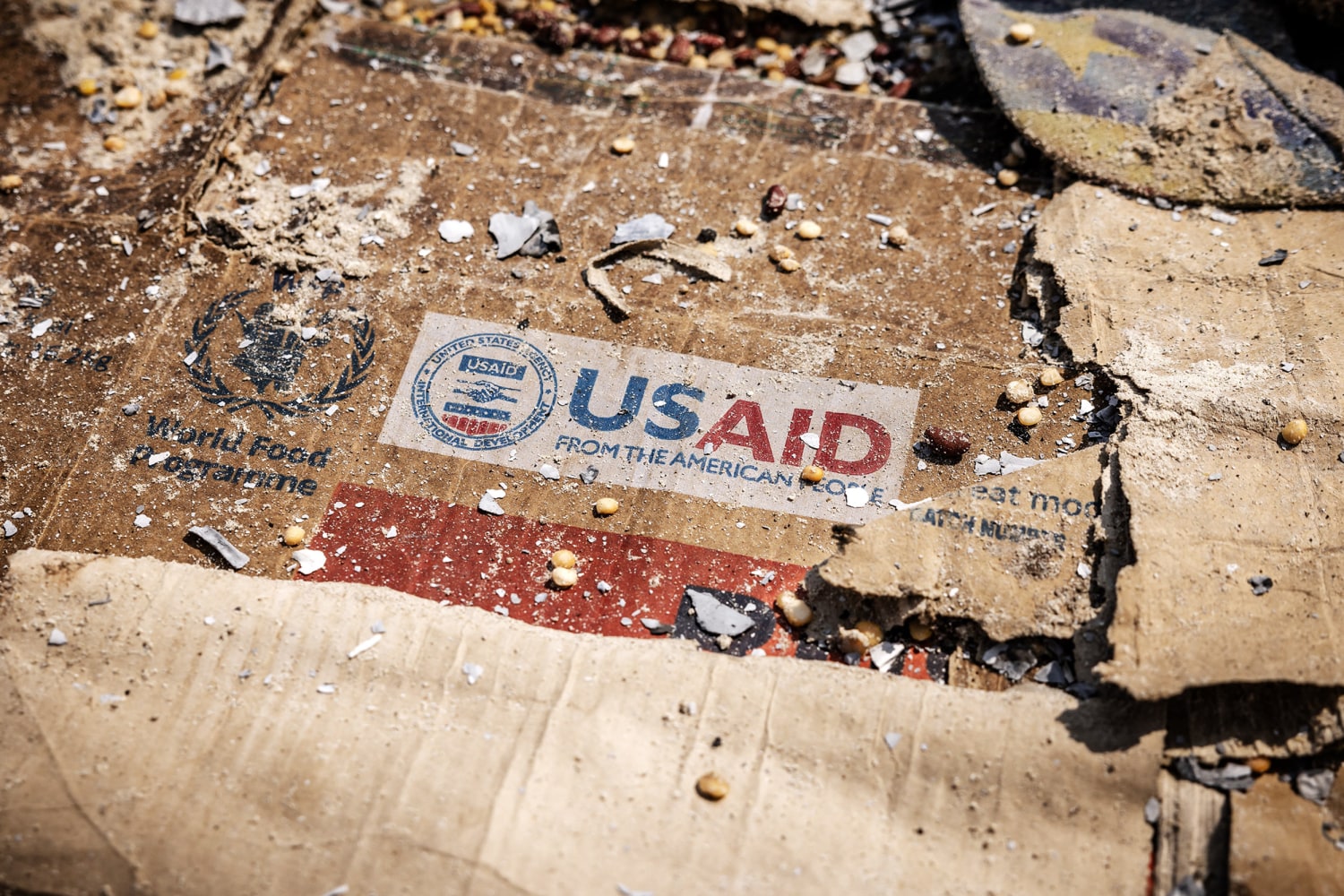
USAID Cuts Put HIV Medication Access at Risk
USAID cuts are not just a budget fight. They are a direct threat to the fragile machinery that keeps HIV treatment moving from ports to clinics to patients’ hands. For millions of people who rely on steady access to antiretroviral medication, even short disruptions can mean missed doses, rising viral loads, and renewed transmission. That is the real danger here: not abstract policy churn, but a very practical breakdown in supply chains, staffing, and public health coordination. When donor systems wobble, health systems in lower-income countries often feel it first and hardest. The consequences can outlast any one administration. This is why the current crisis matters now, not later.
- USAID cuts can disrupt HIV medication supply chains, not just aid budgets.
- Missed treatment creates clinical and public health risks, including resistance and transmission.
- Health systems built around donor support are often too fragile to absorb sudden shocks.
- The fallout could reverse years of progress in HIV prevention and care.
- The biggest risk is continuity: clinics need predictable funding, logistics, and staffing.
Why USAID Cuts Hit HIV Medication Access So Hard
The headline risk from USAID cuts is simple: when a major global health funder pulls back, the system loses more than money. It loses procurement capacity, distribution planning, data tracking, and the administrative glue that keeps treatment programs functioning. HIV care is especially vulnerable because it depends on consistency. Antiretroviral therapy works when patients can access medication on schedule and remain in care over long periods. Break the chain anywhere – forecasting, customs clearance, warehousing, transport, clinic staffing – and the entire model starts to leak.
This is why the problem is bigger than a single agency. USAID has often served as a backbone for programs that national health ministries, nonprofits, and local clinics cannot easily replace overnight. Sudden cuts force impossible choices: reduce coverage, delay shipments, or stretch already thin teams across too many tasks. None of those are good options.
The supply chain is the real battleground
HIV treatment is not just about pills sitting in a warehouse. It is about procurement cycles, cold chain planning in some settings, inventory visibility, and reliable last-mile delivery. If antiretroviral therapy shipments are delayed by weeks, clinics can run dry before replenishment arrives. That creates a chain reaction: patients miss doses, adherence drops, and the risk of treatment failure rises.
Even when alternative suppliers exist, switching is not frictionless. Procurement systems are built around pre-approved vendors, drug quality checks, and forecasting models based on historical demand. A funding shock can force rushed changes that increase the odds of errors and shortages. In public health, that kind of improvisation is expensive.
What Happens When HIV Medication Access Breaks
The immediate concern is obvious: patients go without medicine. But the longer-term damage is much worse. HIV is a disease where continuity matters at every level. Interrupt treatment and the virus can rebound. Rebound and the patient becomes more likely to become sick and more likely to transmit the virus. Over time, inconsistent access can also contribute to drug resistance, which makes future treatment more complex and costly.
Health systems that have spent years scaling up treatment can lose momentum quickly. Testing campaigns slow down. Community outreach shrinks. Follow-up visits become irregular. And people who were just getting into care may disappear from the system entirely.
When HIV treatment falters, the consequences do not stay inside the clinic. They spread into households, communities, and entire public health budgets.
That is why HIV medication access is not a narrow pharmaceutical issue. It is a systems issue. It touches logistics, workforce capacity, financing, and trust. Once patients lose confidence that medication will be available, re-engagement becomes much harder.
Patients absorb the shock first
The people most affected are often those with the fewest buffers: rural patients, low-income families, migrants, and communities already dealing with weak transport infrastructure. For them, one missed refill can mean a long, expensive trip to another clinic. If that clinic is also under strain, the gap widens.
In many countries, HIV programs are also integrated with maternal health, tuberculosis screening, and sexual health services. So when funding falls, the damage is rarely isolated. A cut in one place can blunt multiple care pathways at once.
USAID Cuts and the Fragile Economics of Global Health
There is a tempting political argument that wealthier countries should simply step aside and let local systems take over. In theory, that sounds clean. In practice, it ignores the scale of dependency built into global health delivery over decades. USAID cuts expose how much of the current HIV infrastructure relies on blended financing and foreign technical support.
Building self-sustaining national health systems is the long-term goal. But transition takes time, planning, and stable investment. Abrupt withdrawal is not a strategy. It is a shock. And shocks are expensive because they create emergency spending, procurement inefficiency, and avoidable medical complications.
The economics are also unforgiving. Treating advanced disease and drug resistance costs far more than maintaining steady access to medication. So the logic of prevention and continuity remains stronger than the logic of retreat.
Why donors matter more than they should
Donor-backed programs have often filled gaps left by underfunded public systems. That has created success, but also dependency. The uncomfortable truth is that some countries have been asked to scale HIV programs without being given enough domestic fiscal room to carry them alone. When external support falls, the consequences are immediate because the foundational budget was never fully local to begin with.
Pro tip: The best measure of resilience is not how many patients are on treatment today. It is whether a program can survive a funding delay without breaking continuity of care.
What Health Leaders Need to Do Now
If the funding environment is unstable, the response cannot be passive. Health ministries, NGOs, and procurement partners need to stress-test the system for disruption. That means identifying the highest-risk stock points, mapping backup suppliers, and prioritizing patients who are most vulnerable to interruptions. It also means being brutally honest about where service delivery is too centralized.
- Build emergency
inventorybuffers for essential HIV drugs. - Track refill risk by geography, not just by facility.
- Pre-position medication in hard-to-reach areas before funding gaps hit.
- Use simplified procurement rules where legally possible to avoid delays.
- Protect clinic staff and community health workers, who are the front line of continuity.
These are not flashy interventions. They are the boring, high-value moves that keep systems from collapsing under political pressure. And right now, boring is good.
The role of community health workers
Community health workers are often the hidden infrastructure in HIV care. They help patients stay engaged, track missed appointments, and support adherence in places where doctors are scarce. If funding cuts reduce their numbers, the system loses its human memory. Medication adherence drops not because people stop caring, but because the support structure disappears.
That is why any serious response to USAID cuts has to include workforce protection. Pills matter. People matter more.
What This Means for the Future of HIV Treatment
The future of HIV treatment will be shaped by a hard question: can global health programs become less dependent on unpredictable donor politics? The answer should be yes, but getting there requires more than optimism. It requires domestic investment, regional manufacturing capacity, diversified procurement, and stronger public logistics systems. It also requires political discipline from donors who want to claim victory while quietly withdrawing the support that made progress possible.
There is an opportunity here, but it is narrow. Governments and funders can use this moment to redesign supply chains, strengthen local ownership, and reduce single points of failure. If they do not, the system will remain vulnerable to the next budget shock, election cycle, or geopolitical pivot.
The real test of a global health program is not how it performs during expansion. It is how it holds up when the money gets shaky.
For now, the warning is clear. USAID cuts may read like administrative austerity, but on the ground they can translate into treatment interruptions, more infections, and a costly reversal in HIV control. That is not just bad policy. It is a preventable public health setback.
The Bottom Line on USAID Cuts
The stakes around USAID cuts are bigger than one agency’s balance sheet. They affect whether HIV medication reaches the people who need it, whether clinics can maintain continuity, and whether global progress keeps moving forward or slips backward. In health policy, timing matters. Interruptions create damage long before the headlines move on. If leaders want to avoid a rollback in HIV outcomes, they need to treat supply continuity, staffing, and procurement resilience as urgent infrastructure, not optional extras.
The information provided in this article is for general informational purposes only. While we strive for accuracy, we make no guarantees about the completeness or reliability of the content. Always verify important information through official or multiple sources before making decisions.

