Venezuela Hotel Collapse Exposes Earthquake Risk
Venezuela Hotel Collapse Exposes Earthquake Risk
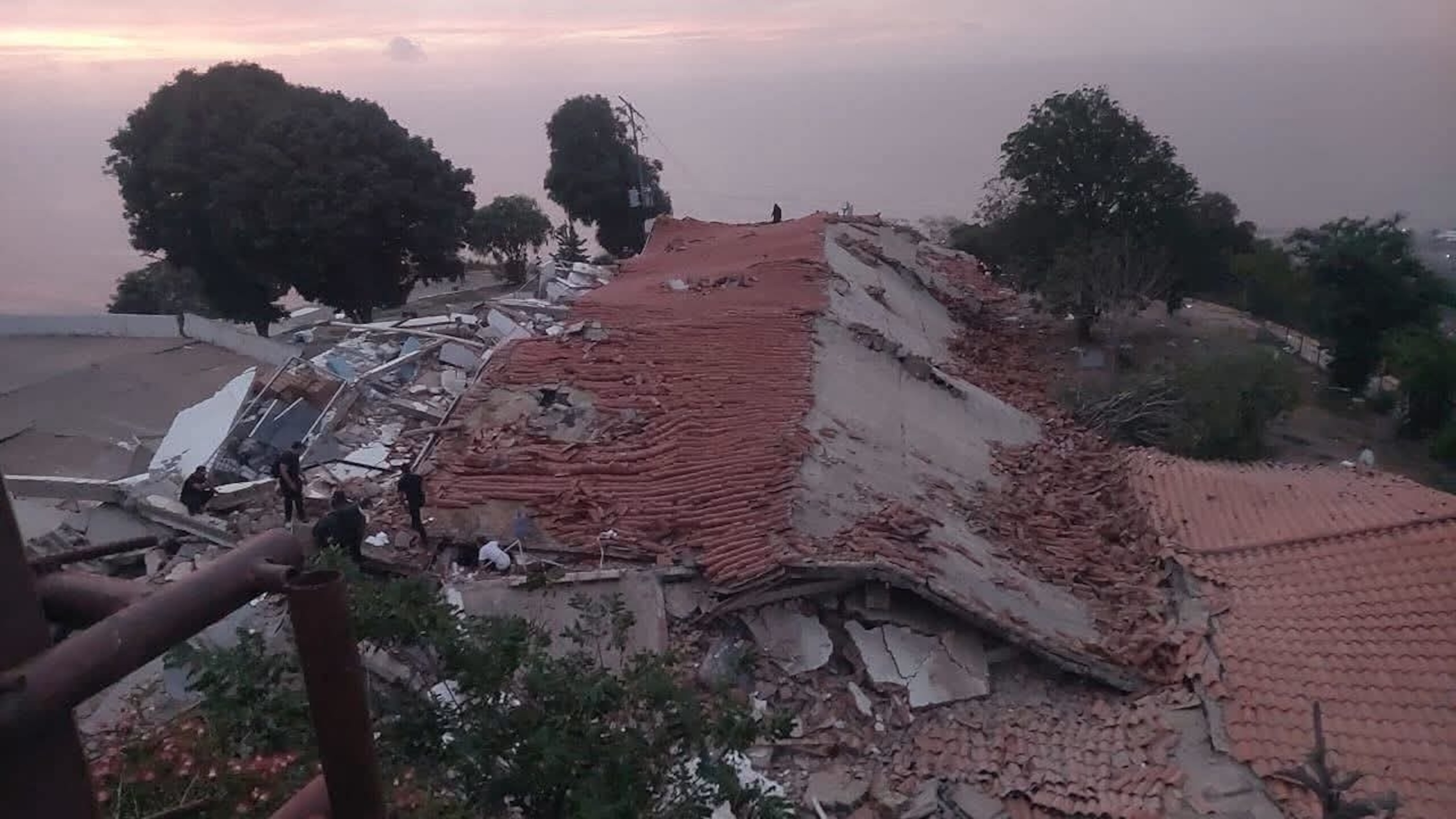
The collapse of a hotel in Venezuela after an earthquake is more than a headline about shattered concrete and emergency response. It is a brutal reminder that seismic danger does not end when the shaking stops. For travelers, hotel operators, and city officials, the real shock is how quickly a single structural failure can turn a routine stay into a mass-casualty event. In countries where aging buildings, uneven inspections, and stretched rescue services overlap, the difference between a survivable quake and a catastrophe often comes down to engineering discipline. The Venezuela hotel collapse is now a test case for how prepared the region really is, and whether building safety is being treated as a public priority or a negotiable expense.
- The Venezuela hotel collapse highlights how earthquake damage can escalate when building standards are weak.
- Rescue response speed matters, but prevention through code enforcement matters more.
- Hotels are especially vulnerable because they concentrate guests unfamiliar with exits and structural risks.
- Seismic readiness is now a business continuity issue, not just a safety issue.
- Stronger inspections, retrofits, and emergency planning could prevent the next disaster.
Why the Venezuela hotel collapse matters now
The Venezuela hotel collapse is not just a local tragedy. It is a warning about what happens when seismic exposure meets weak resilience. Hotels are supposed to be controlled environments: monitored, staffed, and designed to keep people safe even when the ground moves. When one fails, it raises immediate questions about construction quality, maintenance history, occupancy compliance, and whether the building had the engineering margin to withstand intense shaking.
That matters because earthquakes do not punish the careless evenly. They exploit every shortcut: soft-story layouts, unauthorized renovations, corroded supports, poor reinforcement, and code enforcement that exists on paper but not in practice. In a tourism-dependent economy, the reputational damage can spread fast. Guests stop booking, insurers raise scrutiny, and investors begin asking whether the real estate stock is safer on paper than in reality.
Key insight: Earthquake resilience is not built during the emergency. It is built years earlier, in how a country licenses buildings, inspects them, and funds retrofits.
What failures usually drive collapses like this
When a hotel collapses after seismic activity, investigators typically focus on a handful of recurring failures. Not every collapse is caused by the same flaw, but the pattern is familiar enough to be alarming.
Structural weakness before the quake
Older hotels often were not designed to modern seismic standards. Even if they were, deferred maintenance can undermine original safety margins. Concrete spalling, rusted rebar, foundation movement, and undocumented modifications all make a building more fragile under stress.
Unplanned renovations
One of the most dangerous habits in commercial buildings is altering load-bearing elements without a full engineering review. A wall removed for aesthetics, a heavy rooftop addition, or a new internal opening can compromise the entire frame. These changes are especially risky in regions where permits may be inconsistently reviewed.
Weak inspection culture
Building codes only matter if they are enforced. In many earthquake-prone markets, inspection teams are underfunded, politically constrained, or overwhelmed by older stock. That creates a system where dangerous properties can keep operating because closure is economically inconvenient.
Emergency design gaps
Hotels also need evacuation planning, signage, backup lighting, and staff training. Even if the structure remains standing, poor emergency design can turn chaos into tragedy. Guests may not know exits, stairwells may be blocked, and communication systems may fail when power drops.
The Venezuela hotel collapse and the business of resilience
For the hospitality industry, this is not a niche engineering story. It is a balance-sheet story. A Venezuela hotel collapse can trigger lawsuits, closure orders, emergency repairs, reputation losses, and insurance fights that drag on for years. Operators often underestimate how much structural risk can affect occupancy rates and brand trust.
There is also a broader commercial logic at work. Hotels that invest in seismic resilience can use safety as a differentiator. That includes retrofitting older properties, publishing inspection status, training staff, and making evacuation procedures visible to guests. In high-risk regions, trust is a product feature.
Pro tip: If a hotel cannot clearly explain its earthquake procedures at check-in, it probably has not invested enough in the systems that matter after the shaking starts.
Owners who treat resilience as optional often discover the opposite after a disaster: insurance premiums rise, lenders become cautious, and governments begin demanding compliance at speed. By then, the costs are larger and the choices smaller.
What travelers should look for after a collapse
Most guests do not have the tools to assess seismic engineering, but they can spot risk signals. In regions prone to earthquakes, the safest move is to prefer properties that show evidence of serious safety planning rather than vague reassurance.
- Visible evacuation maps in guest rooms and corridors.
- Well-marked stairs and clear emergency lighting.
- Recent renovation transparency from the hotel or booking platform.
- Lower-rise construction or buildings with known seismic retrofits where appropriate.
- Staff readiness to explain what happens during an earthquake.
Travelers should also pay attention to how a property communicates after a quake. Silence is rarely a good sign. Hotels that offer clear instructions, status updates, and accountability are usually better prepared than those that rely on generic reassurance.
How cities can reduce the next collapse
Earthquake loss is not inevitable. Cities can dramatically lower the odds of a hotel collapse by pairing code enforcement with practical funding and public transparency. That starts with identifying the riskiest buildings and ends with enforcing action before disaster forces the issue.
Prioritize high-occupancy buildings
Hotels, hospitals, schools, and apartment towers should be at the top of inspection lists because they concentrate people who may not be able to evacuate quickly.
Fund retrofits, not just paperwork
Compliance letters mean little if owners cannot afford the upgrades. Governments that want safer buildings often need subsidy programs, tax incentives, or low-interest financing to make retrofits realistic.
Publish safety ratings
Public disclosure changes behavior. If guests can see whether a hotel has passed structural review, operators have a stronger incentive to maintain standards. Transparency can be uncomfortable, but it is often the fastest route to accountability.
Train for the ugly middle
Rescue teams need more than equipment. They need drills that reflect collapsed-lobby access, communication outages, dust-choked stairwells, and aftershock risk. The first hour after a building failure is where preparation pays off.
What this says about earthquake preparedness in 2026
The larger lesson from the Venezuela hotel collapse is that many places still treat earthquake preparedness as a seasonal campaign rather than a permanent operating standard. That mindset is outdated. Urban density is rising, climate stress is complicating emergency response, and aging infrastructure is accumulating risk faster than many governments can repair it.
That creates a harsh reality: resilience is becoming a competitive advantage. Countries and companies that invest early will recover faster, protect more lives, and preserve more economic value. Those that delay will keep paying after every major quake, first in human loss and then in financial damage.
Bottom line: The most expensive structural failure is not the collapse itself. It is the years of ignored warnings that made the collapse possible.
If there is any upside to a disaster like this, it is the clarity it forces. The question is no longer whether earthquake readiness matters. The question is whether leaders will fund it before the next building gives way.
The information provided in this article is for general informational purposes only. While we strive for accuracy, we make no guarantees about the completeness or reliability of the content. Always verify important information through official or multiple sources before making decisions.