Warsh Rattles Fed Markets
Warsh Rattles Fed Markets
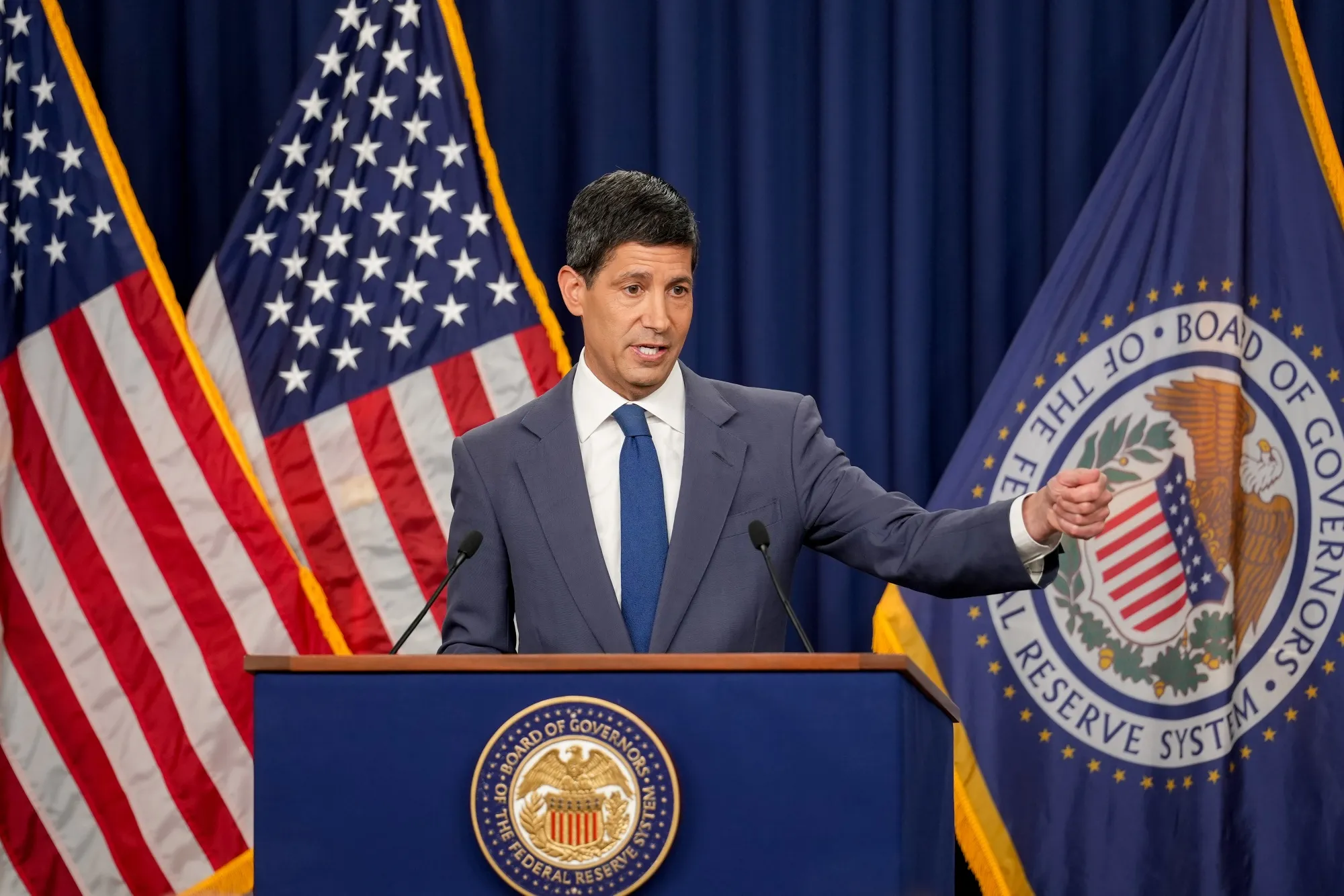
Kevin Warsh is back in the kind of conversation that makes traders sit up straight. When a name tied to the Federal Reserve starts moving market expectations, it is not just another Washington whisper. It is a signal that investors think the next phase of monetary policy could look meaningfully different. For businesses already stretched by borrowing costs, and for households still feeling the lag from tighter money, that is not a theoretical debate. It is a pricing problem, a planning problem, and possibly a volatility problem. The Fed has spent years trying to balance inflation control with economic resilience. Any hint that a future chair or influential policymaker might change that balance can ripple across bonds, equities, currencies, and credit almost immediately. That is why the reaction matters as much as the message.
- Kevin Warsh is being read by markets as a potential pivot point for Federal Reserve policy.
- Investors are reacting to the possibility of a more aggressive or more market-friendly Fed stance.
- The real risk is not just policy change, but uncertainty about the pace and style of that change.
- Bond yields, lending conditions, and equity valuations are the first places to watch.
- For businesses, the practical issue is whether financing costs stay elevated or start to soften.
Why Kevin Warsh matters to Fed markets
Warsh is not simply another former Fed official with a microphone and a résumé. He occupies a rare category in financial politics: someone investors believe could influence the Fed’s tone, not just its tools. That matters because markets do not trade only on today’s rates. They trade on the path of rates, the perceived independence of the central bank, and the credibility of the people shaping the path. When the conversation turns to Warsh, it often reflects a broader search for a policy pivot: less tolerance for drawn-out tightening, more emphasis on financial conditions, and perhaps a sharper eye on the costs of restrictive policy.
For Wall Street, that can sound appealing. For the real economy, it is more complicated. Lower rates too soon can reignite inflation. Keeping rates high for too long can squeeze credit, investment, and hiring. The tension is the point. Markets are trying to price not just a person, but the philosophy that person might represent.
“Markets do not just respond to Fed policy. They respond to the credibility of the people who might steer it next.”
Kevin Warsh Fed markets and the credibility trade
The phrase Kevin Warsh Fed markets is doing more work than it might seem. It captures a classic credibility trade: investors believe a credible potential policymaker can move expectations even before any formal appointment or policy change. That is especially true when the economy is still digesting the cumulative effects of higher rates. In that environment, every statement, interview, and rumor becomes part of the price discovery process.
Why does credibility matter so much? Because the Fed’s power depends heavily on expectations. If markets believe policy will loosen, long-term yields can fall before the first actual cut. If they think the central bank will stay restrictive, borrowing costs remain sticky even if inflation slows. Warsh’s market relevance, then, is less about one man and more about the possibility that investors see an alternate framework for how the Fed should manage inflation, labor softness, and asset-price pressure.
What traders are really watching
The first layer is obvious: Treasury yields. The second layer is subtler: the shape of the yield curve, which tells you whether traders expect short-term pain to give way to eventual easing. The third layer is credit spreads, where lenders decide how much extra yield they need to compensate for risk. If Warsh-linked expectations push markets toward a faster policy reversal, those spreads can compress quickly. If the signal instead implies political turbulence or a Fed credibility fight, spreads can widen just as fast.
This is why the reaction to Fed commentary often looks exaggerated from the outside. It is not. The market is constantly revaluing the probability of future scenarios. A single change in perceived direction can shift portfolio positioning across trillions of dollars.
How markets translate Fed signals into prices
The mechanics are straightforward, even if the consequences are not. Bond investors price expected inflation plus real returns. Equity investors discount future earnings using interest rates as a core input. Banks and lenders set borrowing terms based on funding costs and default risk. When a Fed-related headline suggests a policy shift, all three channels move at once. That is why one political or personnel development can create a chain reaction across asset classes.
For example, if investors think the next Fed posture could be more dovish, they may bid up growth stocks that benefit from lower discount rates. But if that same expectation creates concern that inflation will reaccelerate, the initial rally may fade. The market is not looking for optimism. It is looking for consistency. It wants the policy story to match the economic story.
- Bonds: Expect immediate sensitivity in short- and intermediate-term yields.
- Stocks: Rate-sensitive sectors like tech, real estate, and utilities tend to react first.
- Credit: Corporate borrowers watch spreads and refinancing conditions closely.
- FX: The dollar can move on any shift in expected rate differentials.
Why this matters for businesses right now
For executives, the Fed debate is not abstract. It shows up in revolving credit facilities, capital expenditure planning, and customer demand. A more market-friendly Fed narrative can briefly improve sentiment, but businesses care more about durability than headlines. If financing costs remain elevated, companies delay hiring, postpone expansion, and become more selective about inventory. If rates fall too quickly, they may get relief at the cost of renewed price pressure and longer-term instability.
The real challenge is planning under uncertainty. Treasury teams cannot simply wait for the Fed to settle the debate. They need to hedge exposure, refinance when windows open, and build scenarios around both sticky and easing rate paths. That is where the current market sensitivity becomes useful. It tells businesses to stop treating Fed policy as background noise. It is part of operating strategy now.
“If your company borrows, sells on credit, or depends on consumer financing, Fed uncertainty is a balance-sheet issue, not a macro hobby.”
Pro tips for finance teams
- Stress test budgets against both higher-for-longer and faster-easing scenarios.
- Review debt maturities and identify refinancing risk within the next 12 to 24 months.
- Consider locking in rates when markets briefly improve rather than waiting for perfect timing.
- Track credit spreads, not just the Fed funds rate, because lenders price risk from both.
The political layer the market cannot ignore
The Federal Reserve is supposed to be insulated from day-to-day politics, but markets know that insulation is imperfect. Any discussion around a figure like Warsh inevitably raises questions about independence, alignment, and policy direction. Even the perception that the Fed may be nudged toward a different stance can alter trader behavior. This is where policy and politics collide: markets do not need a formal change to start repricing risk. They only need to believe one is plausible.
That creates a tricky dynamic. Politically charged Fed discussions can boost short-term market confidence if investors expect easier money. But they can also undermine the central bank’s credibility if the shift looks reactive rather than data-driven. Once credibility is questioned, the Fed has to work harder to anchor expectations, and that can increase volatility instead of reducing it.
What happens next for Fed markets
The next phase depends on how forcefully Warsh remains in the conversation and how investors interpret the broader signal. If the market sees a credible case for a policy reset, you could get a relief rally in duration-sensitive assets and a rotation toward rate winners. If the signal instead looks like political theater, the reaction may reverse, leaving traders with little more than noise and sharper swings.
The important point is that markets are no longer waiting for a formal decision to price the possibility of one. That is how modern monetary policy works: expectations move first, decisions come later, and the gap between them can be profitable or punishing depending on your positioning.
Why investors should care about the next few headlines
Pay attention to three things: how Treasury yields react, whether financial conditions loosen or tighten, and whether policymakers push back on the narrative. If yields fall on the back of Warsh-related speculation, that suggests investors see a credible path to easier policy. If the move is brief, markets may be signaling skepticism. Either way, the reaction offers a clean read on how fragile current expectations remain.
For now, the market is telling a simple story: the Fed is still the most important institution in finance, and the identity and ideas of its future voices can move prices long before they move policy. That is why Kevin Warsh matters now. Not because one headline changes the economy overnight, but because it reveals how little room there is between central bank language and market reality.
Bottom line: when the market starts trading the Fed’s next chapter, everyone from portfolio managers to CFOs needs to pay attention. The question is no longer whether policy matters. It is how fast the next signal gets priced.
The information provided in this article is for general informational purposes only. While we strive for accuracy, we make no guarantees about the completeness or reliability of the content. Always verify important information through official or multiple sources before making decisions.