West Ham Signing Sparks Fury
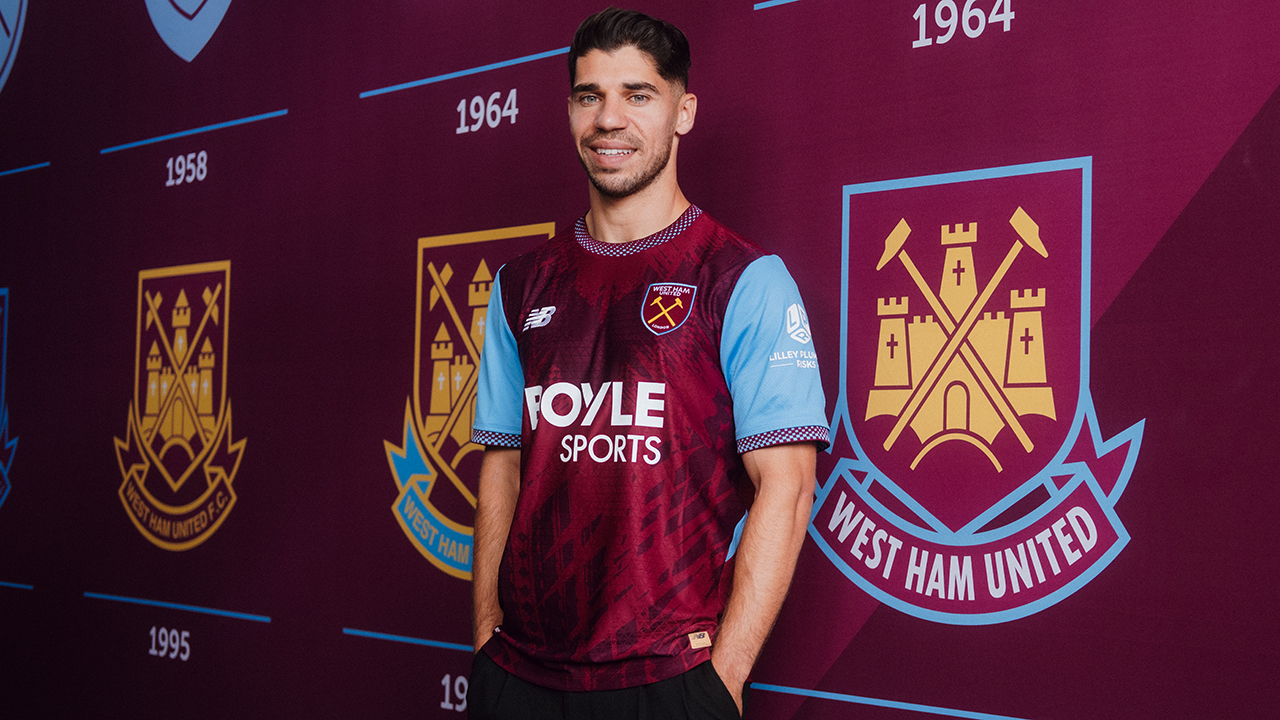
West Ham Signing Sparks Fury
West Ham’s decision to sign Manor Solomon has done more than add another winger to the squad. It has reopened a raw fault line in modern football: what happens when transfers are no longer judged only by goals, assists, and fit, but by politics, identity, and the values fans believe their club should stand for? For supporters already frustrated by a club’s direction, this is not just a footballing debate. It is a referendum on the meaning of representation, accountability, and the limits of “just sport.” The backlash around the West Ham signing of Manor Solomon shows how quickly a transfer can become a cultural flashpoint, especially when global conflicts, online activism, and club branding collide.
- The
West HamandManor Solomonstory is as much about politics as football. - Fan outrage is being amplified by social media, making transfers instantly reputational issues.
- Clubs now have to manage player recruitment and public values at the same time.
- This controversy highlights a broader shift in how supporters judge ownership and decision-making.
Why the West Ham Manor Solomon signing hit a nerve
On paper, the move looks straightforward: a Premier League club identifies talent and tries to strengthen its squad. But football no longer lives on paper. Supporters increasingly see every signing through a wider lens, asking not only whether a player improves the team, but what that player symbolizes in a politically charged environment.
That is why the reaction to Manor Solomon has been so intense. For some fans, the objection is not about his technical ability. It is about the perception that a club is making a morally loaded choice without acknowledging the sensitivity of the moment. In a sport where supporters already feel squeezed by rising ticket prices, distant ownership, and relentless commercialization, even one controversial transfer can become a lightning rod.
“Modern football is no longer insulated from geopolitics. The transfer market has become a stage where clubs are judged for ethics as much as tactics.”
That reality makes the reaction predictable, even if it is uncomfortable. Clubs want the benefits of global reach and elite recruitment. Fans want institutions that reflect their values. Those two ambitions are now colliding in public, and often in real time.
What this says about fan power in modern football
The backlash around the West Ham move is not an isolated tantrum. It is evidence that fan culture has evolved. Supporters today are more networked, more vocal, and more capable of creating a narrative that travels far beyond the stadium.
Where protests once required banners, chants, and local press coverage, they now spread through social media, group chats, podcasts, and supporter forums. That means a transfer can be framed instantly as a statement, a provocation, or a betrayal. Clubs that underestimate this shift are inviting reputational damage that can outlast the player himself.
The new transfer calculus
Recruitment departments have traditionally optimized for performance, age, cost, and resale value. That logic still matters. But it is no longer enough. The hidden variables now include perception, sponsor sensitivity, and the likelihood that a signing will generate negative headlines before a player even kicks a ball.
For elite clubs, that is a serious strategic problem. A player with strong footballing upside can still become a commercial liability if the signing triggers organized fan opposition or forces the club to defend a decision publicly. The days of pretending football is insulated from social consequences are over.
How clubs keep losing the narrative
One reason stories like this escalate so fast is that clubs often communicate like institutions from another era. They release terse statements, lean on generic sporting language, and assume performance will eventually silence criticism. That approach is increasingly ineffective.
Supporters want transparency. They want to know why the club chose a player, what due diligence was done, and how leadership weighed the broader context. When clubs stay vague, they create a vacuum. And in that vacuum, the loudest interpretation wins.
That matters because public trust in football leadership is already fragile. Ownership controversies, financial strain, and poor on-field results have left many fanbases skeptical of boardroom decision-making. A politically charged signing only deepens the suspicion that clubs are more interested in transactional logic than in community responsibility.
Pro Tip for clubs
If a transfer carries reputational risk, clubs should treat it like a communications issue from day one, not an afterthought after the backlash starts. That means preparing context, anticipating questions, and avoiding canned statements that sound detached from the moment.
- Map likely objections before the announcement.
- Brief executives and coaches on the public context.
- Prepare a clear explanation of footballing rationale.
- Do not hide behind generic language when the issue is clearly political.
Why this matters beyond one signing
The West Ham and Manor Solomon controversy is bigger than a single player and a single club. It reflects a wider shift in how sports institutions are judged. Clubs are no longer just entertainment brands. They are public-facing entities expected to manage ethics, identity, and messaging alongside performance.
That shift is not going away. In fact, it is likely to intensify. As more fans treat their club as an extension of their values, the cost of a controversial signing will rise. So will the pressure on clubs to explain not just what they are doing, but why they think it is defensible.
This is especially true in the Premier League, where global audiences magnify every decision. A local controversy can become an international story within hours. That creates a difficult balancing act: clubs want the competitive upside of aggressive recruitment, but they also have to account for the reputational blast radius of those choices.
The broader football industry is entering a new era
Football executives like to talk about analytics, scouting, and efficiency. Those remain crucial. But the industry is heading into an era where ethical and political risk management becomes part of the job description. The smartest clubs will understand that player recruitment is no longer just about talent identification. It is about narrative control, stakeholder management, and institutional legitimacy.
That may sound abstract, but the consequences are practical. A controversial signing can affect season-ticket sentiment, merchandise sales, sponsor relations, and the atmosphere around the stadium. It can also shape how players themselves experience the club. When a newcomer arrives amid hostility, the footballing environment is immediately more difficult.
“The clubs that win this era will not be the ones that avoid controversy entirely. They will be the ones that understand it early, explain themselves clearly, and stop treating supporters like passive consumers.”
The future implication for recruitment
Expect more clubs to build informal political and reputational screening into their transfer processes. Not because they want to make football ideological, but because ignoring ideology has become expensive. A modern recruitment file may increasingly include not just scouting reports and medical notes, but a communications assessment of how a signing will land publicly.
That is not idealistic. It is pragmatic. The cost of misreading the room is now too high. A club can no longer assume that a talented signing will be received as a purely sporting decision. If the public context is volatile, the club has to plan accordingly.
What supporters are really asking for
At the heart of the reaction is a simple demand: be honest about what kind of club you are. Fans do not expect every decision to please everyone. They do expect coherence. If a club wants to position itself as community-minded, then it needs to take seriously the moral reactions that certain signings provoke. If it wants to prioritize sporting ambition above everything else, it should say so plainly and be prepared for the consequences.
The danger for clubs is not the existence of disagreement. It is the perception of indifference. Supporters can forgive a controversial choice more easily than they can forgive feeling ignored.
That is the real lesson from the uproar around the West Ham signing. Football has entered a period where every transfer is potentially a culture war, every announcement is a statement, and every club has to decide whether it is managing a squad or a social contract.
The bottom line
The anger over Manor Solomon is not just about one player. It is about the collapsing boundary between sport and politics, and the growing expectation that clubs act like accountable institutions, not just entertainment machines. West Ham may still believe the signing makes sense on footballing grounds. But modern football does not allow teams to stop there. The public will always ask what a move means, who it affects, and whether the club understands the moment it is stepping into.
That is the new reality. And for clubs that still think transfer business can be separated from consequence, the backlash is the warning shot.
The information provided in this article is for general informational purposes only. While we strive for accuracy, we make no guarantees about the completeness or reliability of the content. Always verify important information through official or multiple sources before making decisions.