Wildfires Force Sports to Adapt
Wildfires Force Sports to Adapt
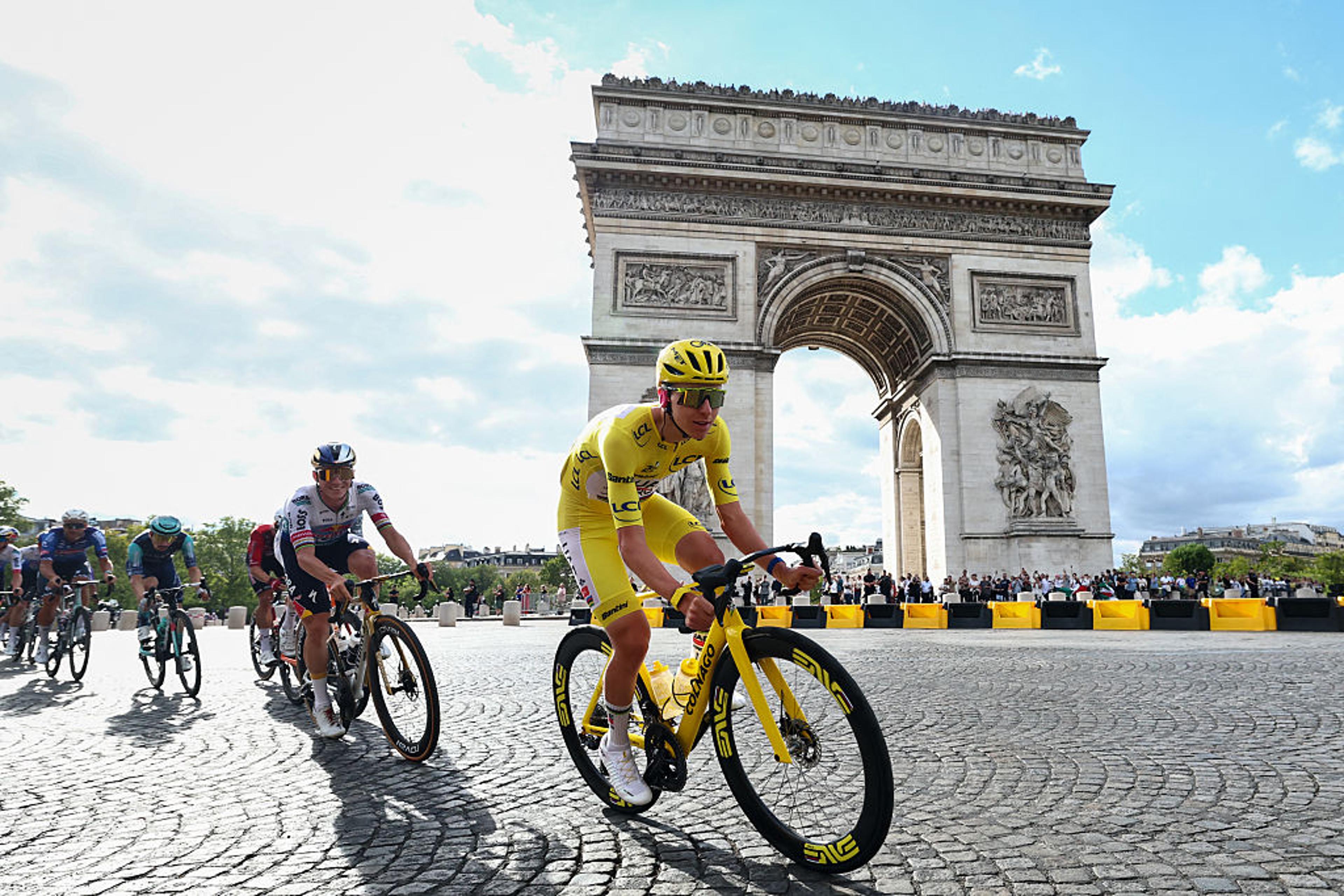
Wildfire smoke is no longer a side note for outdoor sports. It is becoming a direct operational threat, reshaping race calendars, athlete safety protocols, and the economics of live events. The Tour de France, a symbol of endurance and precision, now sits inside a much bigger problem: climate volatility is starting to dictate when, where, and how competition can happen. For organizers, that means more than inconvenience. It means contingency planning, air-quality monitoring, route redesign, and hard calls about whether to keep going. For athletes, it means training and competing under conditions that can damage performance and health. The wildfire disruptions to the Tour de France show how climate change is shaping sports, and they are a warning shot for every major event built around predictable weather.
- Wildfire smoke is moving from rare disruption to recurring event risk.
- Elite sports now need climate-aware logistics, not just weather forecasts.
- Athlete health, not tradition, is becoming the top operational priority.
- Event planners must build flexible routes, schedules, and emergency protocols.
- The business of sports is changing as climate instability raises costs and complexity.
The wildfire disruptions to the Tour de France are a new normal
For decades, the Tour de France has been defined by geography, suffering, and spectacle. Mountains, heat, rain, and crashes are part of the script. Smoke from wildfires is different. It is not just another hard day on the bike. It can poison the air, blur visibility, and turn a strategic race into a public-health calculation. That is why the wildfire disruptions to the Tour de France matter far beyond cycling. They show that climate change is no longer a distant backdrop to sports. It is an active force inside the event itself.
Organizers cannot treat these disruptions as isolated freak occurrences. As heat waves intensify and fire seasons stretch longer, the probability of interference rises. That means every outdoor sport, from marathon running to golf to soccer, has to think in terms of resilience rather than tradition. The old assumption was that the calendar would hold. The new reality is that the calendar may have to bend.
Wildfire smoke changes the risk equation. It can reduce visibility, degrade breathing capacity, and force organizers to choose between competitive integrity and athlete safety.
Why wildfire smoke is such a dangerous variable
Smoke is uniquely disruptive because it affects both the body and the event structure. Fine particulate matter can irritate lungs, elevate heart strain, and reduce oxygen uptake. For endurance athletes, that is a direct performance hit. For organizers, the challenge is harder: there is no single visual cue that always tells you when conditions have crossed the line. Air quality can shift rapidly over a course that spans regions, elevations, and wind patterns.
That uncertainty makes decision-making messy. A start line might be clear while a mountain pass becomes hazardous an hour later. A city finish might be acceptable while a rural segment is not. In practice, this means race control needs real-time environmental data, medical input, and the authority to alter the course or shorten stages without hesitation.
What air quality means for competition
When air quality deteriorates, performance data becomes harder to interpret. Slower times may reflect poor conditions rather than athletic form. That matters for broadcasters, fans, sponsors, and teams trying to evaluate strategy. In other words, smoke does not just threaten health. It distorts the competitive record itself.
Pro tip: if an event depends on outdoor endurance, organizers should treat air-quality thresholds like lightning protocols: predefined, visible, and non-negotiable. Ambiguity is the enemy of safety.
The wildfire disruptions to the Tour de France expose a business problem
The business model of elite sports relies on predictability. Broadcasters sell fixed windows. Sponsors buy association with a clean, stable spectacle. Travel partners, hospitality operators, and local governments depend on the event happening as planned. Wildfire smoke breaks that model by introducing uncertainty that is expensive to absorb.
Every reroute, delay, or stage modification has a cost. Staffing changes. Road closures must be renegotiated. Security plans need revision. Local tourism projections may shift overnight. And if conditions force a cancellation, the financial fallout can spread across teams, organizers, cities, and media rights holders.
That is why climate resilience is now a business issue, not just a safety issue. Sports properties that ignore climate risk are effectively taking on unmanaged operational debt. The bill arrives in the form of insurance premiums, contingency staffing, and reputational damage when they appear unprepared.
Sports organizations that still treat climate disruption as an edge case are underestimating how quickly it can become a line item.
How organizers are likely to respond
The next phase of adaptation will probably look less dramatic than fans expect, but more systematic. Rather than canceling whole events at the first sign of smoke, organizers will increasingly rely on layered response plans. That could include route flexibility, early-stage starts, indoor fallback options where possible, and tighter environmental monitoring across the course.
There is also a strong chance that sports governing bodies standardize more climate protocols. Right now, responses can vary by event and region. That variability is risky. If one race reacts quickly and another waits too long, public trust erodes. Athletes and teams need consistency, especially when health decisions are on the line.
What a climate-ready playbook looks like
- Real-time air monitoring: sensors and weather feeds along the full route, not just at the start and finish.
- Decision thresholds: clear rules for delays, course changes, shortening, or cancellation.
- Medical escalation: on-site respiratory evaluation and rapid athlete support.
- Route redundancy: alternate segments that can be activated quickly.
- Communication protocols: synchronized messaging for teams, broadcasters, fans, and local authorities.
These are not luxury upgrades. They are basic infrastructure for an era of climate instability. The organizations that build them first will have a competitive edge in reliability, which is becoming its own kind of brand value.
Climate change is rewriting the culture of sports
There is also a cultural cost here. Sports have long sold the idea that nature is a stage: mountains, oceans, open roads, fresh air. Climate change turns that idea inside out. The environment is no longer passive. It is volatile, and at times hostile. That shift changes how fans experience events and how athletes talk about their craft.
Expect more conversations about environmental ethics, race scheduling, and the carbon footprint of major tours. Expect athletes to speak more openly about unsafe conditions, especially when they feel pressured to compete through smoke or extreme heat. And expect the public to become less tolerant of tradition as an excuse for avoidable risk.
The deeper issue is legitimacy. When a sporting event is repeatedly interrupted by climate conditions, people start asking whether the event itself has been designed for a world that no longer exists. That question will not stay confined to cycling. It will hit tennis, skiing, football, and major marathons too.
Why this matters now
The wildfire disruptions to the Tour de France are not just a one-off headline. They are a signal that sports organizations must stop planning for weather as if it were stable and start planning for volatility as the default. That change has consequences for budgets, safety standards, broadcast operations, and fan expectations. It also changes what leadership looks like in sports. The best-run organizations will be the ones that can protect athletes while preserving the integrity of the competition.
That will not be easy. It requires humility, faster decision-making, and a willingness to admit that tradition cannot outrank safety. But the alternative is worse: more improvisation, more health risks, and more public crises when conditions become impossible to ignore.
Bottom line: climate change is not just reshaping the venue. It is rewriting the operating system of sports. The teams and events that adapt early will survive the disruption. The ones that do not will spend the next decade reacting to it.
The future of outdoor sports will be climate-managed
Over time, the most resilient sports properties will look more like climate-managed systems than fixed events. That means better sensors, smarter scheduling, tighter medical oversight, and a willingness to redesign the spectacle when the environment demands it. The old model prized consistency. The new model will prize adaptability.
For fans, that may mean accepting that some of the drama now happens behind the scenes: in route planning, environmental monitoring, and emergency decision rooms. But that hidden work is what will keep the show on the road. The Tour de France is offering a preview of a future where the smartest thing a sports organization can do is plan for the day the air itself becomes the opponent.
The information provided in this article is for general informational purposes only. While we strive for accuracy, we make no guarantees about the completeness or reliability of the content. Always verify important information through official or multiple sources before making decisions.