Wisconsin football tragedy spotlights mental health crisis
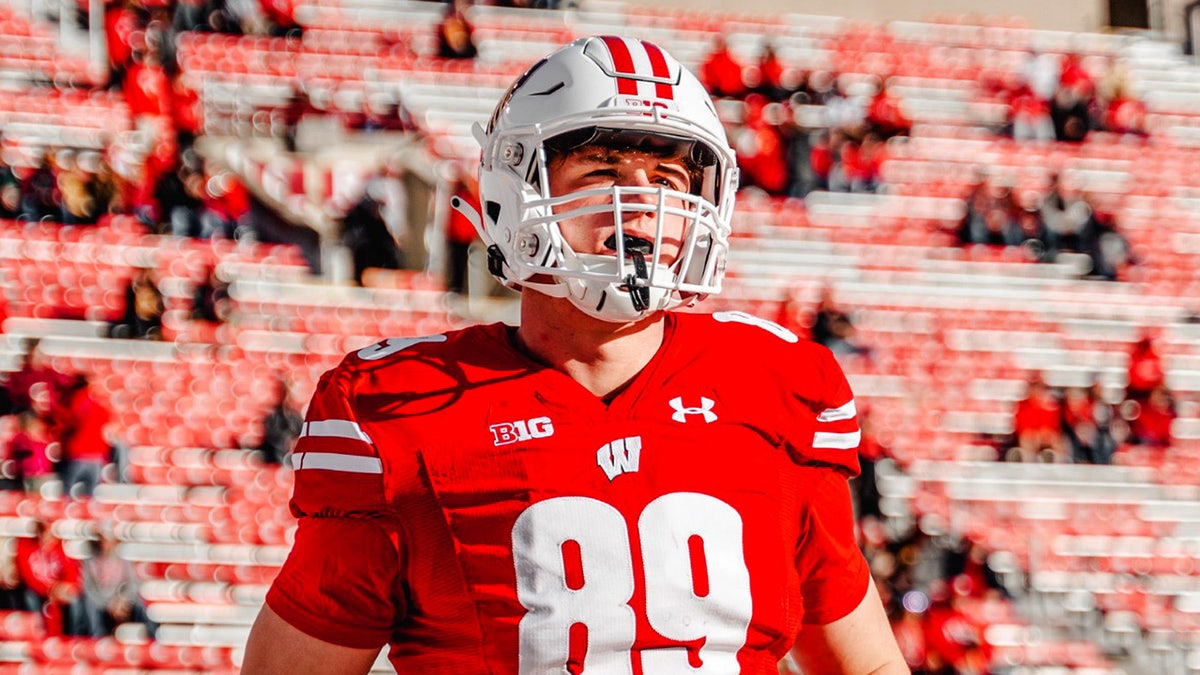
Wisconsin football tragedy spotlights mental health crisis
The sudden death of a 24-year-old former Wisconsin football player who stepped away from the sport to battle mental health struggles rips open a wound college athletics keeps trying to bandage. This is not just another headline – it is a flashing red light that the structure built to protect student-athletes is still brittle. The NIL boom, transfer portal churn, and nonstop performance demands collide with isolation and stigma. When a player with access to top facilities and staff says the weight became unbearable, the system must answer for its blind spots. The core truth: Wisconsin football mental health is no longer a side note; it is the main story.
- College sports support systems still trail the mental health load placed on athletes.
- Performance culture and NIL hype can intensify isolation rather than ease it.
- Teammates and coaches need playbooks for early intervention, not post-tragedy statements.
- Universities must treat mental health resources like core infrastructure, not optional perks.
Why the Wisconsin case hits differently
A player leaving a Big Ten program cites mental health, then dies at 24 – that detail shatters the illusion that elite resources equal safety. The Wisconsin brand implies stability, yet the outcome shows gaps between advertised support and lived reality. It also exposes how quickly athletes fall off the radar once they step away; the pipeline tracks wins, not wellbeing.
“Access to facilities does not equal access to feeling safe.”
This tragedy forces athletic departments to reconsider how they treat departures: exit interviews should trigger sustained outreach, not just a roster update in a database.
NIL era: hype without a safety net
With NIL cash and social media clout, athletes are told they are brands. But when the brand falters, does the person get help? Wisconsin football mental health now symbolizes how monetization can mask vulnerability. The pressure to deliver on sponsorships or retain starting spots can make seeking counseling feel like admitting weakness.
“Monetization without mentorship is a stress multiplier.”
Administrators must pair NIL education with mandatory mental health check-ins, treating it like compliance training. Ignoring this linkage invites more headlines like this one.
Performance culture versus human limits
Practice schedules and hidden fatigue
Grind culture thrives on phrases like no days off, yet human limits are non-negotiable. Sleep debt, overtraining, and academic pressure create a stack that topples quietly. Athletes often fear losing playing time if they disclose anxiety or depression.
Locker room signals
Teammates are the first to see behavioral shifts: withdrawn meals, skipped lifts, irritable reactions. Programs need to normalize reporting these signals without labeling it disloyalty. A confidential channel to sports psychologists should be as routine as sharing film clips.
What Wisconsin and peers should do now
- Build persistent outreach: When a player leaves the team, schedule recurring check-ins for a full year. Treat it like alumni relations with clinical urgency.
- Public playbook: Publish a transparent protocol for mental health responses, including emergency contacts, after-hours coverage, and response timelines.
- Coach accountability: Tie part of coaches’ evaluations to mental health training completion and athlete feedback on psychological safety.
- Peer responders: Train captains as first-line listeners who can escalate concerns without stigma.
Pro tips for athletes navigating pressure
For current players balancing academics, NIL, and performance, small adjustments can reduce risk.
- Schedule weekly
off-gridhours: no film, no social apps, no brand commitments. - Log mood alongside lifts in
training diaries; patterns reveal overtraining before injury or burnout. - Ask trainers for a
sleep audit; fatigue often masquerades as irritability. - Use campus counseling anonymously if needed; most systems allow discreet intake.
The future of athlete care
Universities love to tout recovery tech – cryo, wearables, VR rehab. The next frontier is psychological safety engineered into daily operations. Expect to see mandatory preseason mental health baselines akin to concussion protocols, and software that flags cumulative stress markers. But technology cannot replace human follow-through; the Wisconsin case underscores that an app cannot notice when someone stops showing up to breakfast.
“Mental health metrics must carry the same urgency as hamstring scans.”
Why this matters beyond Madison
Big Ten schools set standards for every smaller program watching. If a high-resource team loses a former player this way, what happens at mid-majors with skeleton staffs? The lesson: visibility and budgets do not inoculate against despair. By treating this tragedy as a catalyst, athletic departments can recalibrate priorities before the next season kicks off.
Fans, too, have a role. The next time a player steps back for personal reasons, resist the reflex to question toughness. Remember this story: a young athlete left the field to survive, and the follow-through failed. Honor him by demanding better systems.
The information provided in this article is for general informational purposes only. While we strive for accuracy, we make no guarantees about the completeness or reliability of the content. Always verify important information through official or multiple sources before making decisions.


