ADHD Motivation Rewrites Focus
ADHD Motivation Rewrites Focus
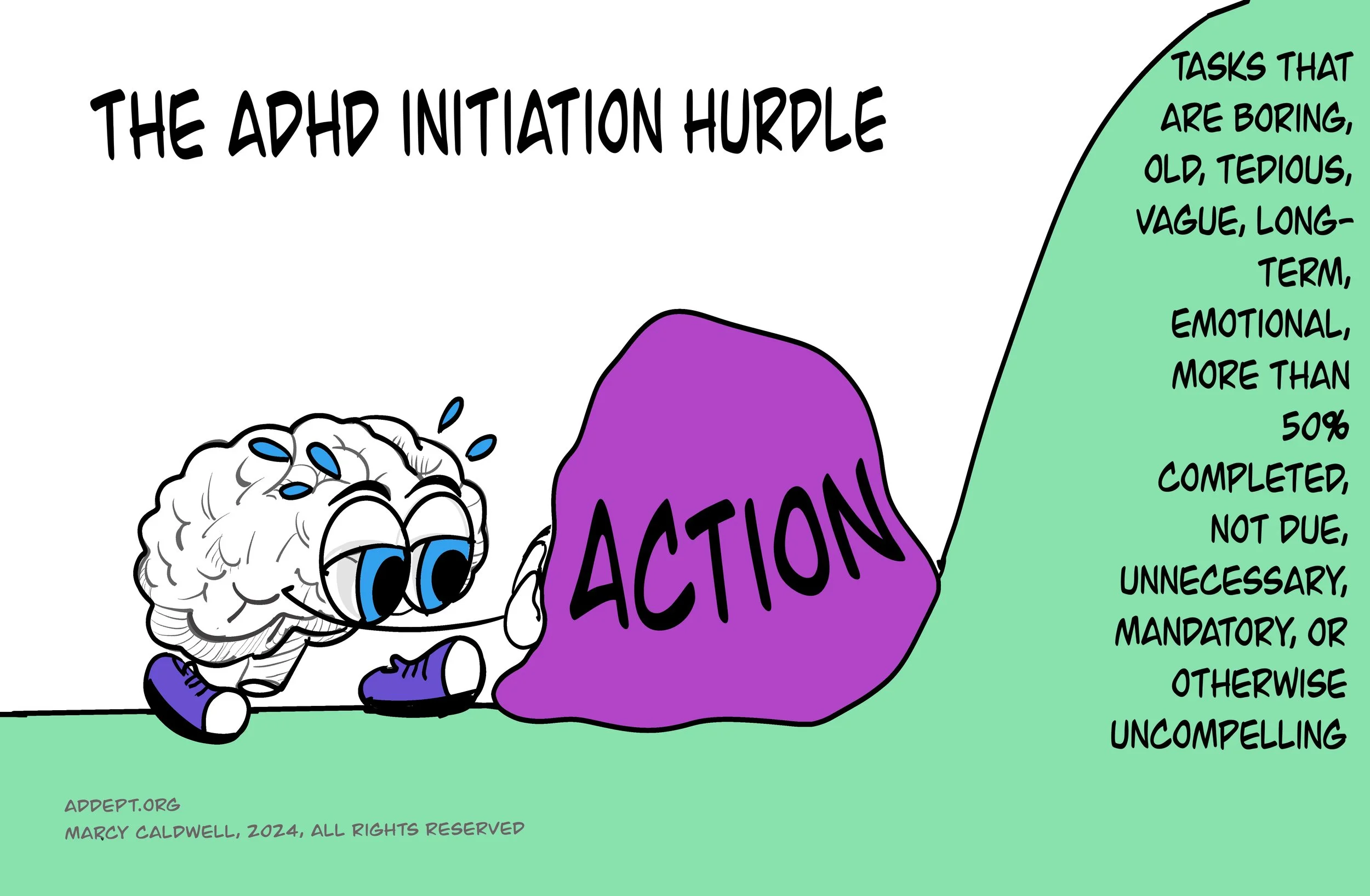
The old story about ADHD is collapsing. For years, the condition was flattened into a simple attention problem: a distracted brain that could not sit still, listen closely, or finish the task. But the sharper, more useful frame is ADHD motivation – the uneven ability to turn intention into action when the reward feels distant, abstract, or emotionally flat. That distinction matters because millions of people with ADHD are not failing because they do not care. They are colliding with a brain system that treats urgency, novelty, interest, and reward as the fuel for performance. The result is maddening: brilliance under pressure, paralysis before routine work, and a lifetime of being told to try harder when the real issue is how effort gets activated.
ADHDis not simply an attention deficit: it is often a difficulty regulating attention, effort, and reward.- Motivation in
ADHDis context-sensitive: urgency, novelty, personal interest, and immediate feedback can dramatically change performance. Dopamineandexecutive functionare central: they help explain why boring tasks can feel physically harder to start.- Better support means better design: treatment, school, and work systems should reduce friction rather than moralize it.
Why ADHD motivation is the better lens
Calling ADHD an attention disorder is not wrong, but it is incomplete. Many people with the diagnosis can focus intensely for hours on a fascinating project, game, conversation, crisis, or creative pursuit. The problem is not a total absence of attention. It is inconsistent control over where attention goes and how long effort can be sustained when the task is low-reward.
That is where ADHD motivation becomes the more precise phrase. It captures the lived contradiction: someone can care deeply about a deadline, a relationship, or a goal and still be unable to begin the email, open the form, or start the assignment until pressure spikes. This is not laziness dressed in clinical language. It is a mismatch between what the conscious mind values and what the brain’s activation systems treat as immediately compelling.
Key insight: The most damaging myth about
ADHDis that motivation is a character trait. For many people, it is a state created by reward, urgency, emotion, and environment.
The science behind ADHD motivation
Researchers increasingly describe ADHD through systems that govern executive function, reward processing, and emotional regulation. These systems help the brain prioritize, initiate, sequence, and persist. When they operate unevenly, ordinary tasks can demand extraordinary effort.
Dopamine and the reward gap
Dopamine is often discussed too casually, but it remains essential to understanding motivation. It is involved in reward prediction, reinforcement learning, and the drive to pursue a goal. In ADHD, differences in reward sensitivity may make delayed rewards feel less compelling. A finished report due next month may matter intellectually, but it may not generate enough internal traction today.
This helps explain why immediate rewards can change everything. A visible timer, a deadline, a body-doubling session, a competitive challenge, or a quick burst of feedback can turn a dead task into an active one. The task did not become easier in some objective sense. The reward architecture around it changed.
Executive function is the operating system
Executive function includes planning, inhibition, working memory, task switching, and self-monitoring. These are the brain’s project-management tools. When they are strained, the first step of a task can become the hardest step because the brain must define the task, select a starting point, suppress distractions, hold instructions in mind, and tolerate discomfort before any reward arrives.
That is why advice like just start can feel insulting. Starting is not a motivational slogan. It is a complex neurological event. For someone with ADHD, the ramp into action may need structure: a smaller first move, a clearer cue, an external prompt, or a more immediate payoff.
Time blindness raises the stakes
Many people with ADHD also describe time blindness, a difficulty sensing time accurately and using future consequences to guide present behavior. A deadline can feel unreal until it becomes immediate. Then the nervous system snaps into high gear, producing the familiar cycle of procrastination, panic, sprint, crash, and guilt.
That cycle can look like poor discipline from the outside. Internally, it often feels like waiting for the brain to unlock. The danger is that repeated last-minute success can train workplaces and families to think the system is working. It is not. Crisis-based productivity is expensive. It burns sleep, health, confidence, and trust.
Why ADHD motivation changes treatment
If ADHD is framed only as distractibility, treatment focuses narrowly on paying attention. If it is framed through motivation and regulation, the target becomes broader: how to make action easier to initiate, sustain, and recover after interruption.
Stimulant medication can help many patients by improving signal strength in attention and reward networks. Non-stimulant options may also support regulation, depending on the person. But medication is not a personality transplant, and it does not automatically redesign a chaotic day. The best outcomes usually combine medical care with behavioral strategies, environmental changes, and realistic expectations.
Pro Tip: build for activation, not aspiration
Aspiration is the plan you make when you feel clear. Activation is the system that still works when you feel foggy. People with ADHD often benefit from supports that reduce the number of invisible steps between intention and action.
- Break tasks into the next visible action, not a vague goal.
- Use external cues such as alarms, calendars, checklists, and visual reminders.
- Create immediate feedback with timers, progress bars, or short work intervals.
- Pair low-interest tasks with social accountability or body doubling.
- Design the environment so the desired action is easier than the distraction.
The point is not to gamify every second of life. The point is to stop relying on shame as the primary productivity system. Shame may create urgency, but it also corrodes self-trust.
ADHD motivation at school and work
The motivation lens should force schools and employers to rethink what support looks like. Traditional systems often reward students and workers who can self-start, self-sequence, and self-monitor without much external scaffolding. That can disadvantage people with ADHD even when they have the intelligence, creativity, and knowledge to excel.
At school, better support may include shorter checkpoints, clearer rubrics, flexible demonstration of mastery, and earlier feedback. At work, managers can help by clarifying priorities, defining done, reducing meeting overload, and avoiding last-minute chaos as the default operating model.
Why this matters: A person with
ADHDmay not need lower standards. They may need a better runway to meet high standards consistently.
This is especially important in knowledge work, where tasks are abstract, deadlines move, and success depends on self-directed planning. The modern workplace is almost perfectly engineered to expose executive function weaknesses: endless notifications, ambiguous priorities, open loops, remote coordination, and constant context switching.
The future of ADHD care
The next phase of ADHD care will likely become more personalized. Instead of asking only whether someone is inattentive or hyperactive, clinicians and researchers are paying closer attention to motivational patterns, emotional reactivity, sleep, anxiety, digital habits, and coexisting conditions. That matters because two people can share the same diagnosis and need very different support.
Digital tools may also play a larger role, but the industry should proceed carefully. Apps that promise focus often reproduce the same problem they claim to solve: too many dashboards, too much setup, and too little follow-through. The best tools will be low-friction, privacy-conscious, and designed around real behavior rather than ideal behavior.
There is also a cultural shift underway. Younger patients are more willing to describe ADHD as a regulation disorder rather than a moral flaw. That language is not an excuse. It is a more accurate map. And better maps lead to better interventions.
The bottom line on ADHD motivation
ADHD motivation reframes the condition in a way that is both more humane and more scientifically useful. It explains why people can be wildly capable in one setting and stuck in another. It shows why urgency works, but at a cost. It also points toward better care: medication when appropriate, smarter environments, clearer feedback, and systems that help people begin before panic takes over.
The big lesson is not that attention does not matter. It does. But attention follows motivation more often than we admit. For people with ADHD, the future of treatment and support depends on understanding that the brain is not simply wandering. It is searching for enough signal to move.
The information provided in this article is for general informational purposes only. While we strive for accuracy, we make no guarantees about the completeness or reliability of the content. Always verify important information through official or multiple sources before making decisions.