Child Violence in Australia Demands Action
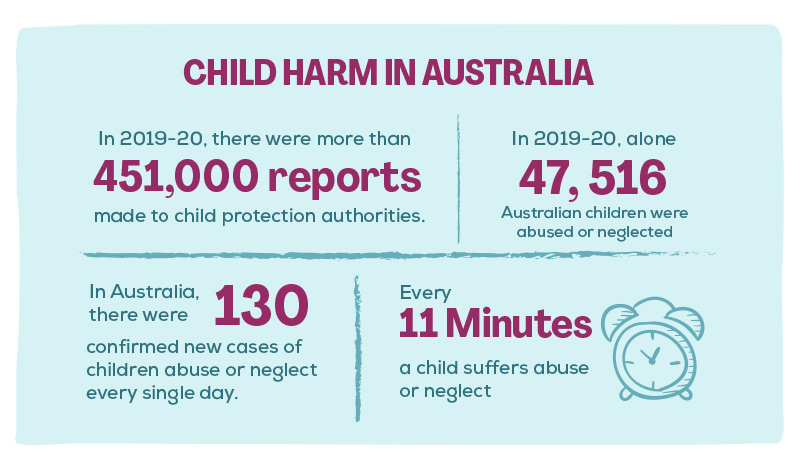
Australia is facing a brutal warning sign: child violence in Australia is rising at the same time young people are being pulled into more extreme online cultures, including the manosphere. That collision should alarm parents, educators, policymakers, and platform executives alike. The pain point is no longer whether children are exposed to violence, misogyny, coercion, or sexual harm. The question is whether institutions can move fast enough to prevent those signals from hardening into behavior. New research pointing to sharp increases in family and sexual violence against children is not just a crime story. It is a systems failure story, and it demands a response that is earlier, smarter, and far less reactive.
- Reports of family and sexual violence against Australian children are rising sharply, exposing gaps in prevention and intervention.
- The
manosphereis not a fringe sideshow: researchers warn it can normalize misogyny, entitlement, and coercive attitudes among boys and young men. - Schools, health services, police, and platforms need a shared prevention model rather than siloed crisis responses.
- Digital safety must be treated as child protection infrastructure, not a parental bonus feature.
Child Violence in Australia Is a Systems Failure
The most uncomfortable truth about the rise in violence against children is that it rarely begins with a single incident. It is usually the visible end of a longer chain: unstable homes, untreated trauma, poor consent education, weak reporting pathways, overloaded services, and online spaces that reward aggression because outrage keeps users watching.
Family violence and sexual violence against children are often discussed separately. That division can be useful for legal categories, but it can also obscure how harm actually works. Children who experience violence at home may become more vulnerable to sexual exploitation, coercion, grooming, or peer abuse. Children exposed to misogynistic online communities may absorb warped ideas about power, relationships, sex, and status before adults even realize what they are consuming.
Key insight: When violence against children rises, it is not enough to ask what happened after the harm. The harder question is what failed before it.
This is where Australia’s response needs to mature. Crisis services are essential, but crisis services are not prevention. Police investigations matter, but they arrive late. Court outcomes matter, but they cannot undo harm. If the country wants fewer children harmed, it must shift upstream: identify risks earlier, teach respectful relationships more effectively, and interrupt digital radicalization before it becomes a worldview.
Why the Manosphere Warning Matters
The term manosphere can sound abstract, almost internet-native enough to be dismissed as a niche online subculture. That would be a mistake. It refers to a loose network of influencers, forums, podcasts, videos, and communities that often frame men and boys as victims of feminism, encourage resentment toward women and girls, and promote dominance as a measure of masculinity.
Not every teenage boy who watches a controversial influencer becomes violent. But public health risk is not measured only by guaranteed outcomes. It is measured by exposure, normalization, and repeated reinforcement. If a boy hears, every day, that women lie, that consent is a technical obstacle, that empathy is weakness, or that control is masculine, those messages do cultural work.
That cultural work matters in classrooms, parties, group chats, dating relationships, and homes. It can make harassment feel like banter. It can make coercion feel like persistence. It can make accountability feel like persecution. And when those ideas intersect with pornography, peer pressure, social isolation, or existing family violence, the risk profile changes fast.
The Algorithm Is Not Neutral
Digital platforms often insist they merely host content. But recommendation systems do more than host. Algorithmic recommendation engines rank, amplify, personalize, and repeat. A young user who watches one video about fitness, dating, status, or masculinity can be nudged toward increasingly extreme content because the system optimizes for retention.
That does not mean every platform is deliberately radicalizing children. It does mean the business model can reward escalation. Anger performs. Certainty performs. Humiliation performs. Nuance often does not. For children and teens still developing emotional regulation and identity, that is a dangerous design environment.
Pro Tip for parents and schools: Do not start by asking only what content a child has seen. Ask what the platform recommended next. The pathway matters as much as the post.
Child Violence in Australia Needs Earlier Intervention
The national conversation often swings between two unhelpful poles: moral panic and complacency. Moral panic treats every online trend as an emergency. Complacency treats digital harms as something kids will naturally grow out of. Neither is good enough.
Australia needs a practical prevention model that connects homes, schools, health systems, law enforcement, and technology platforms. That means better training for adults who work with children, clearer escalation pathways when warning signs appear, and more consistent education about consent, power, respect, and online manipulation.
Early intervention also means listening to children without forcing them to perform certainty. Children may not have the vocabulary to name coercive control, sexual exploitation, grooming, or image-based abuse. They may describe feeling trapped, pressured, scared, confused, or ashamed. Adults need to recognize those signals as meaningful, not dismiss them as drama.
What Better Prevention Looks Like
- Mandatory respectful relationships education that is age-appropriate, evidence-informed, and updated for digital life.
- Training for teachers and youth workers to identify misogynistic radicalization, coercive behavior, and sexual harassment patterns.
- Specialist support inside schools, not just referrals to external services with long waiting lists.
- Stronger reporting pathways for children who experience family violence, peer abuse, or online exploitation.
- Platform accountability for recommendation systems that repeatedly push harmful content to minors.
This is not about turning schools into surveillance states. It is about making sure adults do not miss obvious warning signs because they are not trained to interpret them. A student repeating violent misogynistic talking points is not automatically a perpetrator. But it is a signal worth addressing, especially if paired with harassment, isolation, threats, or obsessive online behavior.
The Platform Accountability Gap
Technology companies are central to this story, even when the violence occurs offline. The digital environment shapes norms. It influences language. It creates communities. It can also make vulnerable children easier to target and isolated young people easier to radicalize.
Governments increasingly discuss tools like age assurance, content moderation, safety by design, and risk assessment. Those terms matter, but they can also become bureaucratic fog if not tied to measurable outcomes. The real test is simple: are children less likely to be pushed toward harmful content, contacted by predators, exposed to sexual coercion, or encouraged into violent misogyny?
Editorial view: If a platform can optimize ads to a teenager with precision, it can also be expected to detect when its systems are pushing that teenager toward harmful extremism.
Platform accountability should include independent audits of recommender systems, stronger defaults for minors, faster removal of abuse material, more transparent complaint processes, and consequences for companies that repeatedly fail to reduce foreseeable risks. Parents cannot be the only line of defense against trillion-dollar attention machines.
Why This Matters Beyond Australia
Although this crisis is being discussed through an Australian lens, the pattern is global. Many countries are seeing the same convergence: rising concern about youth misogyny, online radicalization, sexual harassment, image-based abuse, domestic violence exposure, and overstretched child protection systems.
Australia has an opportunity to treat the issue as both a public health challenge and a digital governance challenge. That matters because violence prevention cannot live only in criminal justice policy. It belongs in education, mental health, technology regulation, housing, family support, and youth services.
There is also a generational stakes problem. Boys need better models of masculinity than dominance, grievance, and emotional shutdown. Girls need institutions that believe them earlier and protect them faster. Children of all genders need adults who understand that online culture is real culture, not a separate universe.
The Hard Part Is Cultural
Laws can set boundaries, but culture teaches permission. If boys learn that degrading girls earns status, schools must intervene. If influencers profit from telling young men that empathy is weakness, platforms must answer for amplification. If families normalize intimidation, services must be resourced to act before violence escalates.
Prevention will be politically difficult because it cuts across ideology. Some will call it censorship. Others will call it moral panic. Some will insist the problem is only platforms. Others will insist it is only parenting. The truth is less convenient: it is all of it. The online economy, family stress, gender norms, weak education, service shortages, and institutional delay all interact.
A Smarter National Response
The rise in violence against children should trigger a reset in priorities. Australia does not need another fragmented debate that treats online harms, family violence, sexual violence, and youth mental health as separate emergencies. It needs an integrated child safety strategy built around prevention, early detection, trauma-informed support, and accountable digital design.
That strategy should start with a clear principle: children should not have to reach a crisis point before adults coordinate. Schools should not be left guessing. Parents should not be expected to decode every platform alone. Police should not be the first meaningful intervention. Platforms should not get credit for safety policies that fail in practice.
The bottom line: child violence in Australia is rising in a media and technology environment that can intensify harm faster than institutions can respond. The answer is not panic. It is seriousness. The country needs to treat misogynistic radicalization, family violence, and sexual violence against children as connected risks requiring connected solutions. Anything less leaves children carrying the cost of adult delay.
The information provided in this article is for general informational purposes only. While we strive for accuracy, we make no guarantees about the completeness or reliability of the content. Always verify important information through official or multiple sources before making decisions.