Albanese Turns Singapore Stopover Into a Crisis Stress Test
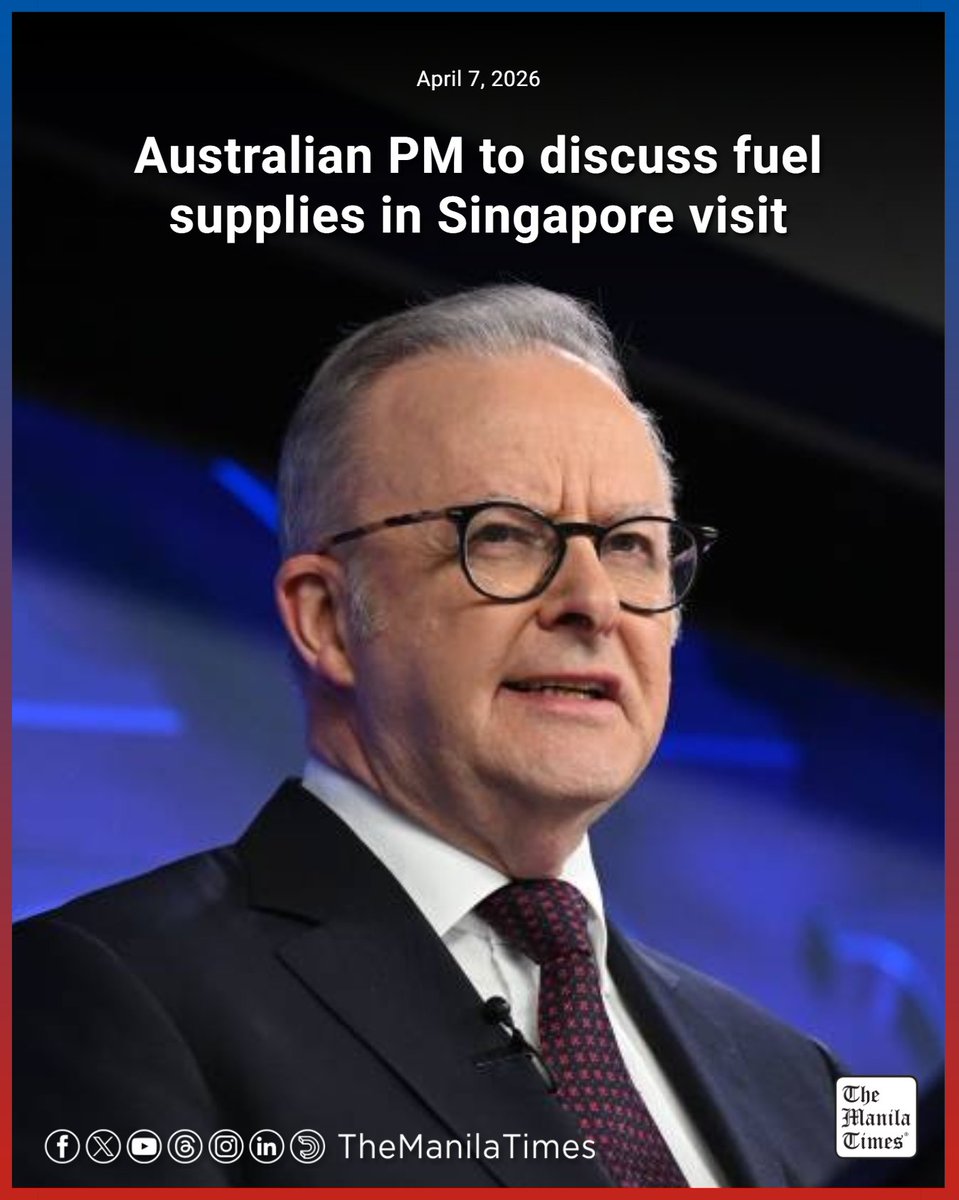
Anthony Albanese Singapore visit isn’t the routine leader drop-by; it lands as a stress test for Australia’s energy security and crisis messaging, with fuel supply jitters and a volatile Middle East setting the stakes. Voters see real risk: tankers rerouted, prices spiking, and a thin strategic reserve. At the same time, regional diplomacy hangs on how Canberra balances ceasefire calls with deterrence after strikes in Lebanon. This is the rare trip where protocol, supply chains, and geopolitics collide, and the prime minister’s decisions in Singapore will reverberate from service stations to cabinet rooms.
- Australia’s fuel fragility is exposed by any Middle East disruption, making Singapore a pivotal energy hub for Albanese to leverage.
- The government’s ceasefire language is tightening; domestic critics want clarity on deterrence versus de-escalation.
- Labor’s narrative is being stress-tested by price pressures at home and alliance expectations abroad.
- Singapore meetings offer a proving ground for Indo-Pacific credibility and supply-chain resilience.
Anthony Albanese Singapore visit reframes energy security
Australia’s fuel buffer is thin, with limited onshore reserves and heavy reliance on Singapore-routed supply. Any flare-up in the Middle East can ripple through maritime chokepoints, turning a regional clash into a local price shock. Albanese arrives in Singapore not just to shake hands but to secure backstops: refining access, storage options, and diversified shipping lanes.
Editorial stance: Treating energy security as peacetime paperwork is reckless; Singapore is the last friendly faucet before scarcity hits home.
Canberra’s recent moves to expand the Strategic Fuel Reserve in the United States are helpful but distant. The live question is whether the prime minister can lock in nearer-term resilience through Southeast Asian partners, turning Singapore’s terminals into a flexible buffer. Without that, Australia is at the mercy of shipping insurance spikes and refinery outages.
Why this matters for households and freight
Fuel price spikes cascade: logistics costs rise, supermarket shelves feel it within days, and regional communities with fewer transport options get hit hardest. A credible plan emerging from the Singapore visit could steady market sentiment and deter speculative price hikes. Conversely, vague statements will invite skepticism and leave consumers exposed.
Testing the government’s credibility
Albanese’s energy message has to reconcile climate ambition with short-term fossil dependence. Investors want signals on transition timelines; truck fleets want guarantees on diesel availability. The visit is a chance to show the government can walk both tracks: accelerate electrification while preventing a fuel crunch during the bridge years.
Middle East ceasefire rhetoric meets deterrence reality
Australia’s call for a ceasefire after strikes in Lebanon is running into the hard edge of alliance politics. Washington and regional partners weigh every syllable for its deterrence signal. Albanese must avoid language that undercuts de-escalation while still backing consequences for aggression. The tension is palpable: soften too much and you lose deterrence; harden too much and you inflame a fragile moment.
Editorial stance: Words are munitions here; calibrated statements from Singapore could either cool tempers or signal hesitation.
Domestic audiences want moral clarity; diaspora communities are vocal; opposition parties smell opportunity. The prime minister’s briefings in Singapore will be parsed for consistency with earlier cabinet lines and for any daylight with allies. Any perceived wobble would echo through regional capitals and Canberra alike.
Pro tip: lock messaging to concrete steps
Linking ceasefire language to verifiable actions – humanitarian corridors, maritime monitoring, or fuel supply protections – gives statements ballast. It turns rhetoric into policy and reduces the risk of accusations that Canberra is freelancing.
Alliance expectations and Indo-Pacific credibility
Singapore is more than a fueling stop; it is a strategic amplifier. A confident performance here signals to ASEAN partners that Australia can manage simultaneous crises: one in the Middle East, another in supply chains, and ongoing competition in the Indo-Pacific. Failure to project steadiness will be read as capacity overload.
Balancing US ties with regional autonomy
Australia’s posture often mirrors Washington, but Singapore expects nuanced calibration. Aligning on fuel resilience deals, maritime security exercises, and trade facilitation would demonstrate that Canberra can add value, not just follow. The more Albanese can articulate distinct regional initiatives, the stronger Australia’s positioning becomes.
Editorial stance: The trip needs deliverables, not platitudes. Partnerships on
port access,joint storage, andmaritime domain awarenesswould show substance.
Domestic politics: Labor under pressure
At home, Labor faces critiques from both cost-of-living hawks and foreign policy skeptics. The Singapore visit is an inflection point to reframe Labor’s narrative as competent crisis managers rather than reactive custodians.
Opposition fault lines
Coalition figures argue the government underinvested in fuel resilience, pointing to earlier refinery closures and the lagging pace of storage build-out. Albanese can counter by demonstrating new capacity partnerships and clearer timetables. But expectations are unforgiving: any hint of indecision will be weaponized in parliament.
Managing public sentiment
The public wants confidence that supply chains will hold. Transparent benchmarks – barrels in reserve, days of cover, and shipping contingency routes – could anchor trust. Without those, reassurance feels like spin.
Economic stakes: inflation and supply chain shock absorbers
Fuel volatility feeds inflation; central bank watchers and business councils know that. A spike triggered by Middle East disruption could force tighter monetary responses just as households are stretched. Singapore negotiations must include mechanisms to dampen price surges, whether through flexible contracts or temporary subsidies targeted at freight sectors.
Why businesses should care
Retailers and exporters planning Q2 logistics will adjust pricing models based on the trip’s outcomes. A credible buffer plan may keep shelf prices stable. In contrast, ambiguity could prompt preemptive price adjustments and inventory hoarding.
Media optics: narrative control from abroad
Live commentary from a leader overseas can make or break narratives. Albanese’s media hits from Singapore must avoid technocratic jargon and speak directly to household concerns. Visuals of concrete agreements or site visits to energy infrastructure would reinforce substance over symbolism.
Editorial stance: Don’t default to podium diplomacy; show the pipelines, storage tanks, and maritime partners that make resilience real.
Future-proofing: beyond this crisis cycle
Today’s visit is also a chance to sketch the next decade. Australia’s electrification push, from EV uptake to grid-scale storage, will shrink fuel dependency but not overnight. Singapore could be a partner in battery supply chains, green shipping corridors, and hydrogen bunkering. Embedding these in joint communiques turns a crisis conversation into a transition roadmap.
Actionable steps to watch
- Formalizing
joint fuel storageagreements with Singaporean operators. - Announcing
maritime insurance backstopsto keep tankers moving during regional tensions. - Launching a pilot
green corridorfor freight between Darwin and Singapore. - Publishing transparent
days-of-covermetrics updated monthly.
Why the Anthony Albanese Singapore visit could reset expectations
The prime minister’s Singapore swing is a crucible: energy resilience, ceasefire positioning, alliance management, and domestic cost pressures all converge. Delivering tangible outcomes would reset expectations about the government’s crisis agility. Falling short would deepen doubts about preparedness as global shocks multiply.
Editorial stance: This is the rare trip where policy, prices, and principles intersect; Albanese has to deliver on all three or risk losing control of the storyline.
If the government can secure nearer-term fuel buffers while mapping a cleaner energy glide path, it will own the narrative of competent stewardship. If not, the opposition’s critique – that Labor was caught flat-footed – will harden. The stakes are that simple.
The information provided in this article is for general informational purposes only. While we strive for accuracy, we make no guarantees about the completeness or reliability of the content. Always verify important information through official or multiple sources before making decisions.