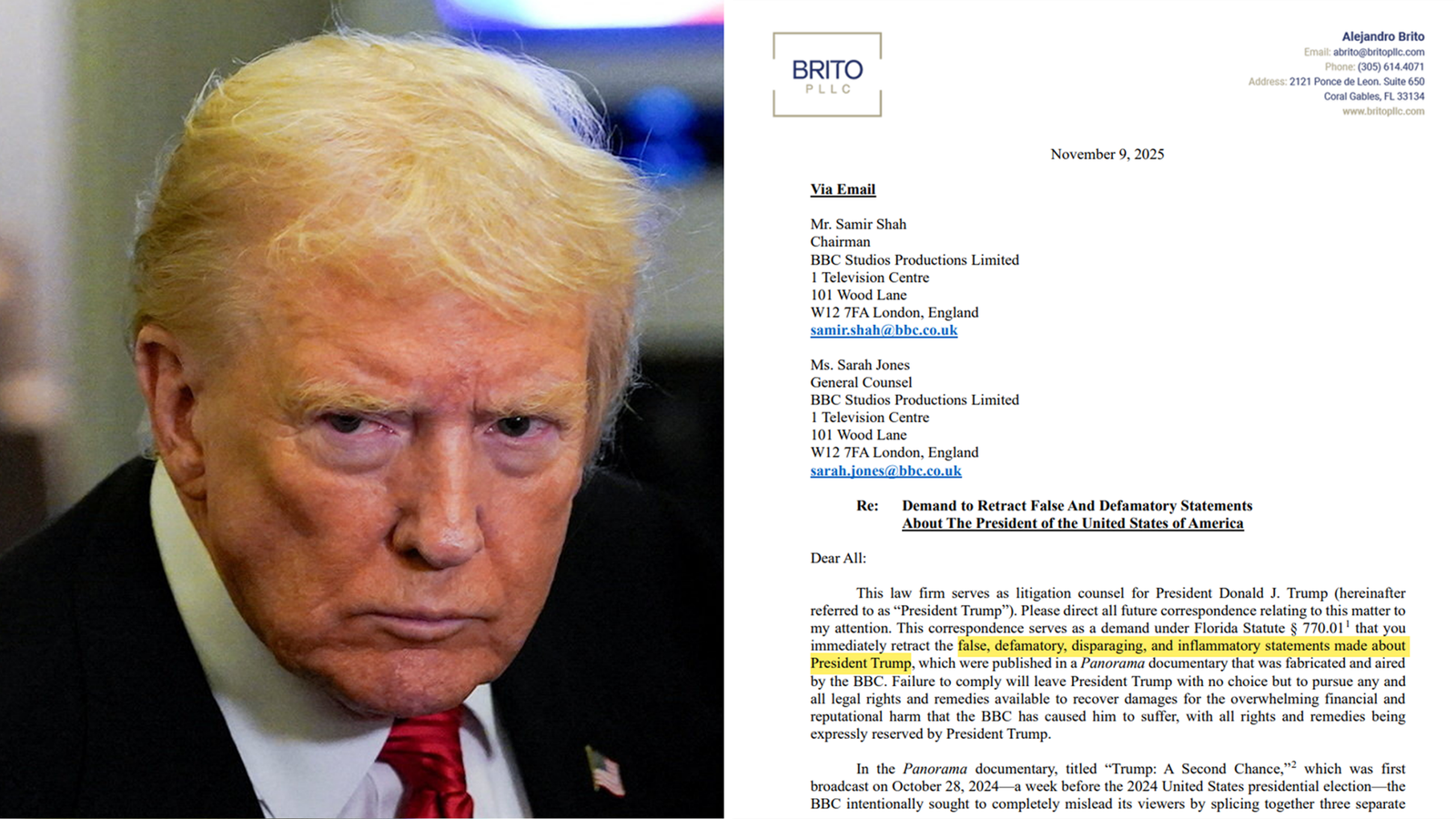
America fumbles toward conflict with Iran

America fumbles toward conflict with Iran
The alarms about U.S. missteps in Iran conflict are no longer theoretical. Washington is tiptoeing toward a confrontation it neither planned nor truly understands, prodded by political ego and reactive policy. Voters sense the drift: a White House that shouts strength while leaking confusion, a Pentagon juggling deterrence and escalation, and allies hedging their bets. The pain point is simple: unforced errors can become wars. If you thought the lessons of the last Middle East debacle were absorbed, the emerging pattern suggests otherwise. This moment demands clear strategy, accountable leadership, and the courage to admit what the current approach lacks.
- Deterrence without diplomacy is feeding a cycle of tit-for-tat strikes.
- Fragmented messaging from U.S. leadership invites miscalculation by Tehran and partners.
- Allies are uneasy, diversifying security ties as American signals wobble.
- Domestic politics are warping military timelines and rules of engagement.
How U.S. missteps in Iran conflict became policy drift
American strategy toward Iran was supposed to be a careful balance of pressure and containment. Instead, it mutated into a patchwork of ad hoc strikes, sanctions, and televised bravado. The abandonment of consistent diplomatic backchannels left commanders operating in a fog: when does a defensive strike become a prelude to war? Who defines victory if escalation ignites? The absence of crisp answers turns every incident into a referendum on credibility rather than security.
“When your strategy is defined by yesterday’s headlines, you have no strategy at all.”
Inside Washington, factions push conflicting goals. Some want regime change in Tehran, others prefer managed deterrence, and election-year politics make restraint feel like weakness. That cocktail produces incoherent directives for military planners: authorize limited strikes today, seek de-escalation tomorrow, threaten oil infrastructure next week. Each swing raises the odds of misread intentions on the Iranian side.
Messaging vs. mechanics
The administration’s public rhetoric leans on words like resolve and dominance, yet rules of engagement often shift quietly to avoid broader war. This gap between messaging and mechanics breeds risk. Tehran learns to tune out the speeches and watch the flight paths. U.S. troops learn that the loudest statements rarely match the classified guidance they receive.
Congressional oversight on mute
War powers were designed to constrain unilateral adventure. But in practice, Congress is sidelined by a mix of partisan paralysis and executive impatience. Short-notice briefings replace genuine debate. Funding bills roll forward without explicit constraints. The result: inertia stands in for consent, and operational momentum fills the vacuum where policy should live.
Allies reading the signals
European partners, burned by earlier policy whiplash, are now building redundancy. Gulf allies welcome U.S. assets but simultaneously court alternative security arrangements with regional rivals. This hedging sends its own signal: Washington’s guarantees feel contingent on election cycles, so local powers are buying insurance elsewhere.
“Allies do not abandon the U.S. because they dislike America. They diversify because uncertainty is a risk premium.”
The Israel factor complicates calculations. Coordinated defense drills underline tight operational links, yet diverging political calendars and domestic pressures mean strategic patience is thinner than advertised. If Iran retaliates in ways that threaten energy routes, European publics will demand de-escalation while some U.S. voices call for decisive blows. Divergent red lines widen the gap between alliance rhetoric and real capacity for unified action.
MainKeyword and coalition credibility
For the coalition to deter without stumbling into war, clarity about thresholds is paramount. The phrase U.S. missteps in Iran conflict now appears in think-tank memos and allied briefings as shorthand for a creeping problem: signals are muddled, intentions opaque, and escalation ladders poorly defined. Without explicit coordination, each partner improvises, increasing the risk of accidental overlap or gaps in coverage.
Intelligence, miscalculation, and the fog of timing
Intelligence estimates on Tehran’s intentions often arrive with caveats that vanish in political speech. A rumored movement of missile units can be framed as either a defensive shuffle or an imminent threat. When leaders default to worst-case interpretations for domestic gain, they shorten the decision window and normalize preemptive thinking.
Timing compounds the danger. Election calendars compress caution. A president under fire may prefer a show of force to a complex negotiation. Iran, watching the clock, might strike first to reset leverage. Both sides risk conflating tactical necessity with political theater, creating a loop where each move justifies the next escalation.
The contractor vulnerability
Recent proxy attacks on facilities housing American contractors highlight a strategic vulnerability. Casualties among civilians and contractors provoke outrage without automatically triggering treaty obligations. That gray zone tempts adversaries to test limits. If the U.S. responds with airstrikes on militia depots, Iran may disavow direct control, keeping retaliation deniable while pressure mounts.
Domestic politics bending strategy
Domestic incentives shape military pacing. Tough talk polls well; nuanced diplomacy rarely does. That asymmetry nudges leaders toward visible action: cruise missile footage, carrier deployments, press briefings. Yet these optics-driven moves do not substitute for defined end states. They create sunk-cost pressure: once troops and hardware are in theater, standing down looks like retreat.
“The gravest danger is not the first strike. It is the trap of having no exit once the strike lands.”
Meanwhile, bureaucratic competition inside agencies fosters mission creep. Each branch seeks relevance, proposing expansions of mandate to match perceived threats. Cyber units argue for preemptive takedowns of Iranian networks. Naval planners request broader rules to board suspected weapons shipments. These proposals might be sound individually, but without a governing strategy they risk becoming a patchwork of irreversible steps.
Media cycles as accelerant
Breaking news amplifies every skirmish. A drone intercepted over the Gulf becomes a trending alert. Cable panels game out war scenarios by primetime. The White House, loath to appear reactive, accelerates decisions to stay ahead of the narrative. This compression of deliberation elevates emotion over analysis.
Why this matters now
Energy markets price risk instantly. Even hints of conflict spike shipping insurance and ripple into consumer inflation. A misjudged strike near the Strait of Hormuz could reroute global trade within hours. Beyond economics, the moral stakes loom: another open-ended Middle East conflict would drain resources from domestic priorities and fracture already brittle political consensus at home.
There is also the credibility paradox. Advocates of maximum pressure argue that restraint emboldens Tehran. Yet every rushed strike that produces civilian harm or allied friction undermines the legitimacy Washington claims to defend. Credibility is not built on volume of munitions expended; it is built on coherence between stated aims and executed plans.
Paths to de-escalation without capitulation
A reset does not require capitulation. It requires disciplined strategy.
- Reopen backchannels: Quiet lines reduce the chance of misreading drills as attacks. This is risk management, not concession.
- Codify thresholds: Publicly clarify what triggers U.S. strikes and what does not. Ambiguity invites tests.
- Pair sanctions with offramps: Sanctions need defined relief paths tied to verifiable steps, otherwise they incentivize asymmetric retaliation.
- Empower allied coordination: Create joint escalation maps so partners know who leads, who follows, and when to pause.
Hard truths for American leadership
Leaders must accept that deterrence without dialogue is brittle. They must resist the urge to fold every Iranian move into domestic political narratives. They must fund and enforce oversight mechanisms that force clarity on objectives before authorization of force. Otherwise, the drift continues, and the country sleepwalks into a conflict on autopilot.
The opinionated verdict
The current posture is neither stable nor strategic. It is a sequence of reactions marketed as strength. A durable approach would prioritize predictable thresholds, sustained diplomacy, and transparent accountability. Until those elements exist, every airstrike advertised as decisive victory is simply another step onto an escalation ladder with missing rungs.
“Wars start from miscalculation far more often than from master plans.”
America still has leverage: economic reach, allied networks, and unmatched military capability. The question is whether it has the discipline to use that leverage with precision instead of impulse. The clock is ticking, and the region is watching for the next misstep.
The information provided in this article is for general informational purposes only. While we strive for accuracy, we make no guarantees about the completeness or reliability of the content. Always verify important information through official or multiple sources before making decisions.