Ancient DNA Is Rewriting Cave History
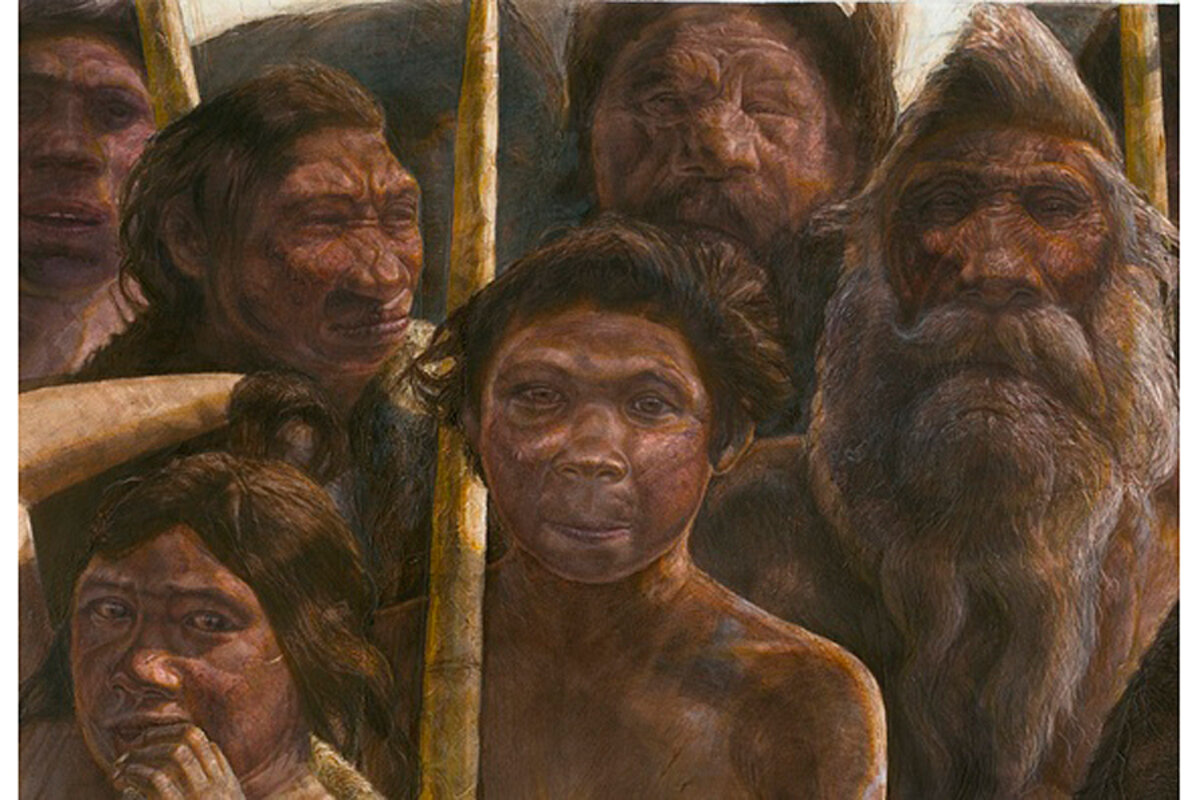
Ancient DNA Is Rewriting Cave History
For decades, cave art and artifacts have carried the weight of interpretation while the people behind them stayed frustratingly out of reach. Now ancient human DNA recovered from cave walls is changing that fast. Instead of guessing which group entered a chamber, left a mark, or occupied a shelter, researchers can now trace genetic traces embedded in the stone itself. That is a big deal for archaeology, because caves are often messy archives: water flows, animals move through, and later visitors overwrite the past. Yet the walls may still hold fragments of identity. This shift does more than add a new data stream. It challenges old assumptions about migration, ancestry, and how humans used deep cave spaces. The result is a more intimate, and more complicated, picture of prehistory.
- Ancient human DNA can survive in cave walls and sediments long after visible traces disappear.
- The method helps researchers identify who used a site, not just when it was occupied.
- This approach could reshape how archaeologists interpret cave art, burials, and living spaces.
- The technique is powerful, but contamination and context still demand caution.
- The biggest payoff may be a finer-grained map of ancient movement and community life.
Why Ancient Human DNA in Cave Walls Matters
The headline is not just that scientists found DNA in an unexpected place. The bigger story is that cave walls are becoming biological records. Archaeology has always relied on indirect evidence: tools, pigments, bones, hearths, and sediment layers. Those clues are useful, but they do not always tell you who was there. Ancient human DNA can sharpen that picture by linking a physical site to specific genetic lineages. That matters for debates about population replacement, coexistence, and migration routes across thousands of years.
It also matters because caves are often preservation engines. Stable temperatures, reduced sunlight, and protected surfaces can preserve traces that would vanish outdoors. Still, the result is not a clean snapshot. DNA found on walls may reflect repeated visits, maintenance, touch, or nearby activity rather than a single dramatic moment. That ambiguity is not a flaw. It is the work. Researchers now have to read caves like layered documents instead of frozen scenes.
“The promise here is not just finding DNA. It is connecting people to places in a way archaeology has struggled to do with confidence.”
How Ancient Human DNA Is Recovered
The technical trick is deceptively simple: collect tiny traces from surfaces or sediments, then sequence genetic fragments in a controlled lab environment. In practice, this is painstaking. Ancient DNA is usually degraded, scarce, and easily overwhelmed by modern contamination. A researcher in the field can accidentally bring enough skin cells, breath droplets, or dust into the sample to muddy the result. That is why protocols are strict, and why the best studies treat every step like a forensic investigation.
Sampling the right surface
Not every cave wall is equally useful. Scientists look for protected surfaces, sheltered recesses, or areas with minimal modern disturbance. They also compare wall samples with nearby sediment to determine whether the DNA signal is truly tied to the surface or simply drifting through the cave system.
Sequencing and authentication
Once extracted, ancient human DNA is amplified and compared against reference genomes. Researchers look for typical damage patterns, such as fragment shortness and chemical changes, that suggest the DNA is genuinely old. Without those checks, a sample can look exciting and still be misleading.
Reading the result cautiously
The most important step is interpretation. A genetic signal may point to ancestry, movement, or contact, but it does not automatically reveal behavior. Did someone live there, pass through, or reach the wall while making art? The DNA may not say. But it does narrow the possibilities in ways older methods could not.
The Limits of Ancient Human DNA in Cave Research
Every breakthrough has a shadow, and this one is no exception. The biggest risk is overreading the evidence. A DNA trace on a cave wall is not a magic portrait of a person. It is a data point, and a fragile one. That means archaeologists need to combine it with stratigraphy, radiocarbon dates, stone tools, pigments, and environmental data. Otherwise, the story becomes more science fiction than science.
Another problem is that cave environments are complex. Water can move DNA across surfaces. Microbes can degrade it. Later human visitors can deposit new material over old layers. In other words, the cave is not a vault. It is a dynamic system. The strongest studies will be the ones that explain uncertainty instead of hiding it.
“This is a powerful method precisely because it forces archaeology to get more disciplined, not less.”
There is also a broader scientific caution: novelty can create a rush to publish. But the field will need repeated validation before ancient human DNA from cave walls becomes a standard tool rather than a striking one-off result. The best evidence will come from multiple sites, replicated protocols, and independent labs reaching similar conclusions.
What This Means for the Future of Archaeology
If this method scales, it could transform how researchers study deep history. Caves are often among the oldest and most information-rich sites on Earth, yet they have remained frustratingly mute about the people who used them. DNA from walls could help answer questions about who occupied a cave, whether different groups used the same space at different times, and how often people returned.
That could have major implications for the study of symbolic behavior, migration, and cultural exchange. Imagine pairing wall DNA with pigment analysis and spatial mapping. Suddenly, an art panel is not just art. It is evidence of presence, possibly multi-generational use, and maybe interaction between distinct groups. That is a much richer archaeological story.
There is a second-order effect too. As methods improve, researchers may apply them to shelters, burial chambers, and other enclosed spaces where human contact left invisible traces. The technique could become part of a larger shift toward micro-scale archaeology, where tiny molecular clues carry as much weight as large artifacts.
Why This Matters Beyond the Lab
Ancient DNA is not just about satisfying historical curiosity. It changes how we understand identity, movement, and survival. Human history is often told in broad strokes: migrations, empires, and cultures as if they were fixed blocks. But genetic traces in cave walls suggest a more dynamic reality. People entered, left, returned, mixed, adapted, and shared space in ways the archaeological record only partially captured.
That has a modern echo. The more we learn about deep human history, the harder it becomes to tell simplistic stories about origins and belonging. Ancient people were mobile. They were connected. They did not stay neatly inside the categories later societies imposed on them. Ancient human DNA helps expose that complexity.
- Pro tip: Treat wall DNA as one layer of evidence, not the final answer.
- Pro tip: Look for studies that report contamination controls and replication.
- Pro tip: Combine genetic findings with site context for the strongest interpretation.
The Editorial Take
This is the kind of discovery that makes archaeology feel newly alive. Not because it solves the past, but because it gives researchers a better way to ask sharper questions. The romance of caves has always been that they preserve humanity in shadow. Now the shadows are getting more legible.
Still, the smart reaction is not hype. It is disciplined excitement. If the field handles this well, ancient human DNA from cave walls could become one of the most important tools for reconstructing prehistoric life. If it is overused or overinterpreted, it will become another flashy method that promised certainty and delivered only noise. For now, the evidence suggests something better: a new way to listen to places that have been silent for too long.
The information provided in this article is for general informational purposes only. While we strive for accuracy, we make no guarantees about the completeness or reliability of the content. Always verify important information through official or multiple sources before making decisions.