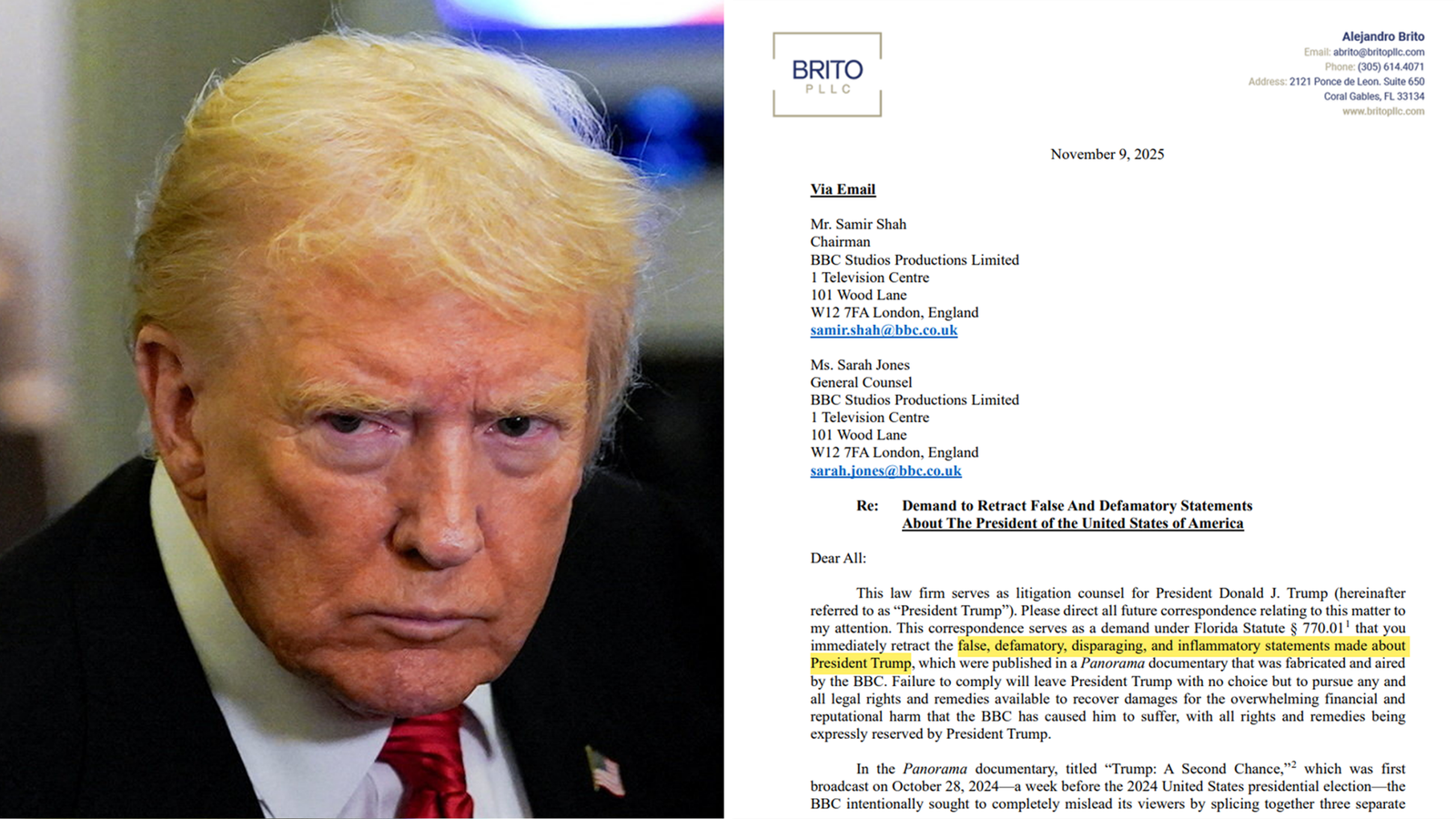
Appeals Court Pauses White House Ballroom Build
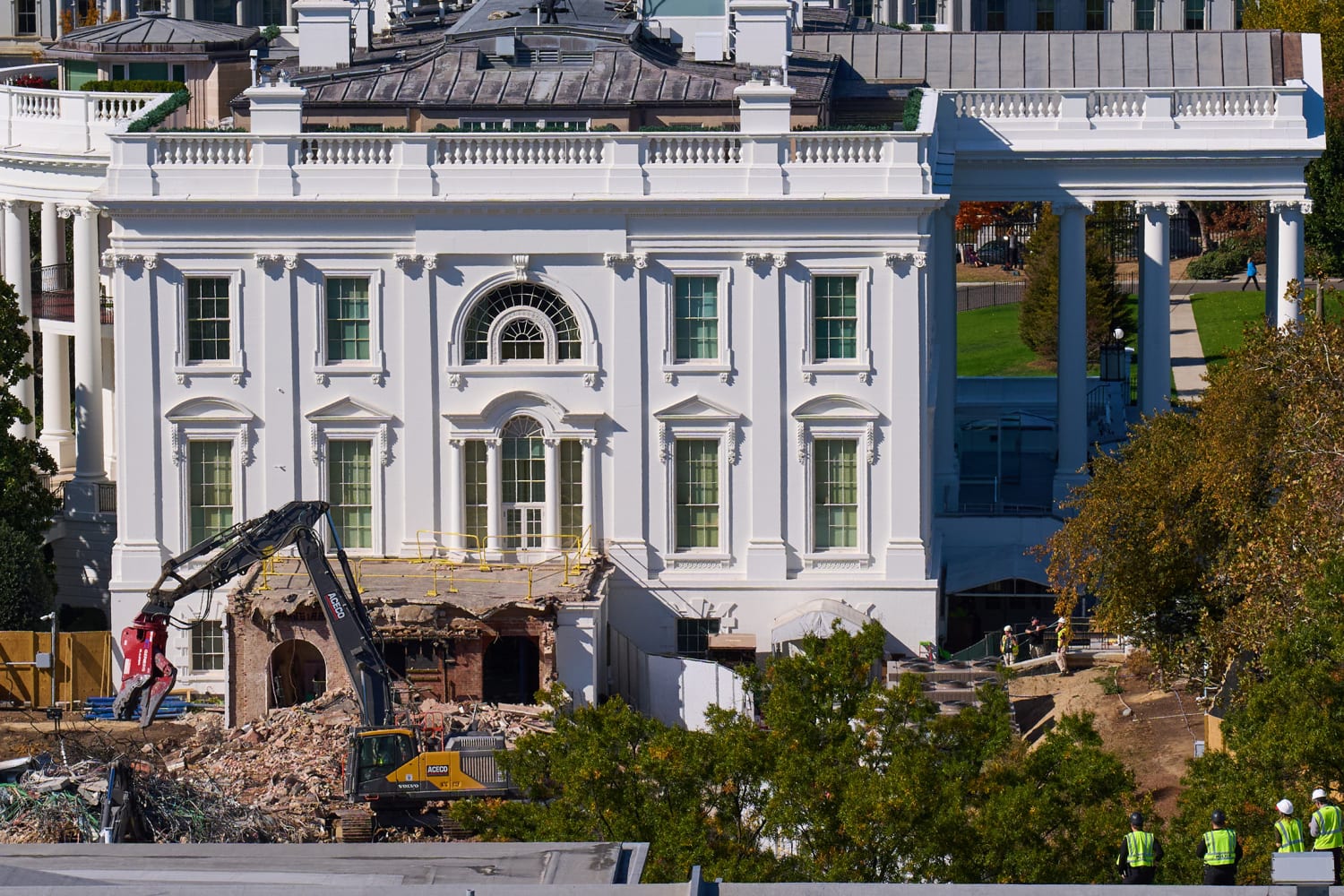
The fight over White House ballroom construction just got a procedural twist: a federal appeals court extended the deadline to halt work, throwing fresh scrutiny on a project already dogged by optics, budget questions, and the symbolism of power. This is not just another Beltway spat. It is a live stress test of how the executive branch wields renovation, how courts police urgency claims, and how taxpayers interpret grandeur when economic jitters refuse to fade. Stakeholders are jockeying to frame the narrative before the concrete cures and the political cement sets.
- Appeals judges granted more time to consider whether construction should be frozen.
- Critics say the project projects luxury while public programs face cuts.
- Supporters argue the ballroom is critical for state functions and security compliance.
- The ruling spotlights transparency gaps and evolving separation-of-powers dynamics.
White House ballroom construction in the legal crosshairs
The dispute centers on whether the administration overreached by fast-tracking a new ballroom under the banner of modernization and security. The appeals court’s extended deadline resets the clock on a lower-court order that had threatened to halt work immediately. In effect, the judiciary wants more briefing on claims that the project lacked sufficient environmental review, sidestepped procurement norms, and leaned on emergency powers reserved for immediate threats.
“If a ballroom is mission-critical, show the mission, not just the marble.”
Opponents argue the move resembles executive privilege creeping into architecture. Proponents counter that hosting high-level summits in a facility that meets current blast and ventilation standards is a matter of national security. Both sides have lined up experts to parse statutes like NEPA and procurement rules under FAR Part 6, each claiming the other is weaponizing red tape.
Optics, money, and the politics of prestige
The project’s estimated price tag remains murky. Budget line items have been split across security upgrades, hospitality modernization, and contingency funds, making it hard for watchdogs to track. Critics see this as classic cost-obfuscation. Supporters insist sensitive infrastructure cannot be itemized publicly without signaling vulnerabilities.
Optics matter: unveiling a ballroom while federal agencies face hiring freezes and families battle inflation invites accusations of tone-deafness. The administration frames the build as an investment in diplomatic theater, arguing that state dinners and summits underpin soft power. That justification collides with a domestic narrative demanding restraint and transparency.
Opinionated Review: who actually needs this room?
The core question is not whether the White House deserves upkeep. It is whether a new ballroom, built at speed, aligns with public interest. On balance, the rush feels unjustified. Statecraft has survived in the existing spaces for decades. Rushing construction under an urgency claim without publishing a clear functional gap reads more like prestige architecture than national necessity.
“Diplomacy benefits from grandeur, but democracy demands disclosure.”
Why it matters: federal infrastructure at 1600 Pennsylvania Avenue is more than drywall; it is a barometer of how power prioritizes itself. When the executive accelerates a ceremonial space while other capital projects languish, it signals whose experience is valued.
Inside the courtroom calculus
The appeals panel is weighing three threads. First, standing: do the plaintiffs, a coalition of transparency advocates and local preservationists, have enough skin in the game? Second, irreparable harm: does continued construction create damage that money cannot fix, such as altering historical sightlines or undermining legal precedent for emergency builds? Third, likelihood of success: do the plaintiffs have a credible case that the project skipped required review?
The extended deadline suggests the judges see non-frivolous claims. The government now must justify the pace and scope. Expect granular arguments about categorical exclusions, finding of no significant impact filings, and whether a ceremonial hall can be tagged as essential to security operations.
White House ballroom construction and the separation-of-powers stress test
Every administration wrestles with maintenance versus makeover. Yet invoking urgency to push through hospitality space blurs the line between operational security and symbolic power. If courts bless expansive emergency rationales here, future executives might cite the precedent to streamline other controversial builds – from media centers to press briefing revamps – without full sunlight.
“Once urgency becomes elastic, oversight becomes optional.”
Congress is watching. Some lawmakers have floated hearings to dissect how capital projects are scoped and approved. While few want to be seen opposing state hospitality, none want to foot a blank check. This tug-of-war could shape future appropriations language that narrows executive discretion on aesthetic or ceremonial builds.
Follow the materials: supply chains and timelines
Even if the court greenlights the project, practical hurdles loom. Specialized ballistic glass, blast-rated doors, and advanced HVAC systems have lead times measured in months. Any injunction-induced pause risks contract penalties and material spoilage. That cost will land somewhere – likely on taxpayers. The administration argues that delaying mid-stream is the worst fiscal outcome; opponents reply that sunk-cost logic should not immunize questionable process.
Contractors also face reputational risk. Major firms tied to contentious government builds can see future bids scrutinized. Expect meticulous documentation of change orders and request for information logs as companies brace for audits or FOIA requests.
Historical context: the White House as construction site
The White House has endured seismic renovations: Truman’s gut-and-rebuild, Kennedy’s aesthetic reset, post-9/11 security hardening. Each sparked debates about transparency and necessity. The current ballroom push fits that lineage but arrives in an era of social media scrutiny and budget hawks. The bar for public justification is higher than ever.
Unlike past overhauls driven by structural failure, today’s project is framed around modernization and prestige. That weakens the urgency narrative. Absent a disclosed structural risk, the case for speed depends on diplomatic scheduling pressures – a hard sell when global summits often adapt to venue constraints.
What transparency would look like
To quiet criticism, the administration could release a redacted program brief outlining capacity limits of current spaces, security deficiencies, and expected diplomatic wins. Publishing a phased construction plan with milestone costs would further stabilize confidence. Without that, every delay or change order will fuel suspicion.
Pro tip for communicators: treat capital projects like product launches. Ship a roadmap, explain the user need, and disclose trade-offs. Silence breeds backlash faster than any leak.
Future implications: precedent beyond Pennsylvania Avenue
If the court narrows the use of emergency justifications, agencies nationwide may need to slow-walk similar projects, from courthouse atriums to secure conference centers. Conversely, a government win could embolden fast-tracked builds on military bases or federal campuses, citing hospitality as soft power. Either way, the ruling will ripple through federal acquisition playbooks and environmental compliance checklists.
There is also a cultural signal. Endorsing luxury adjacent to austerity risks widening trust deficits. Leaders who bank on grandeur to project stability may find the public reads excess as insulation from economic anxiety.
Call it what it is: a choice about values
This showdown is not just about square footage. It is a referendum on how power justifies its own stagecraft. The appeals court bought time to interrogate that justification. The administration now has a window to prove the ballroom is strategic, not ornamental. The clock is ticking, the scaffolding is up, and the narrative is still wet concrete.
The information provided in this article is for general informational purposes only. While we strive for accuracy, we make no guarantees about the completeness or reliability of the content. Always verify important information through official or multiple sources before making decisions.