Beat Sedentary Living With A Longevity Exercise Playbook
Beat Sedentary Living With A Longevity Exercise Playbook
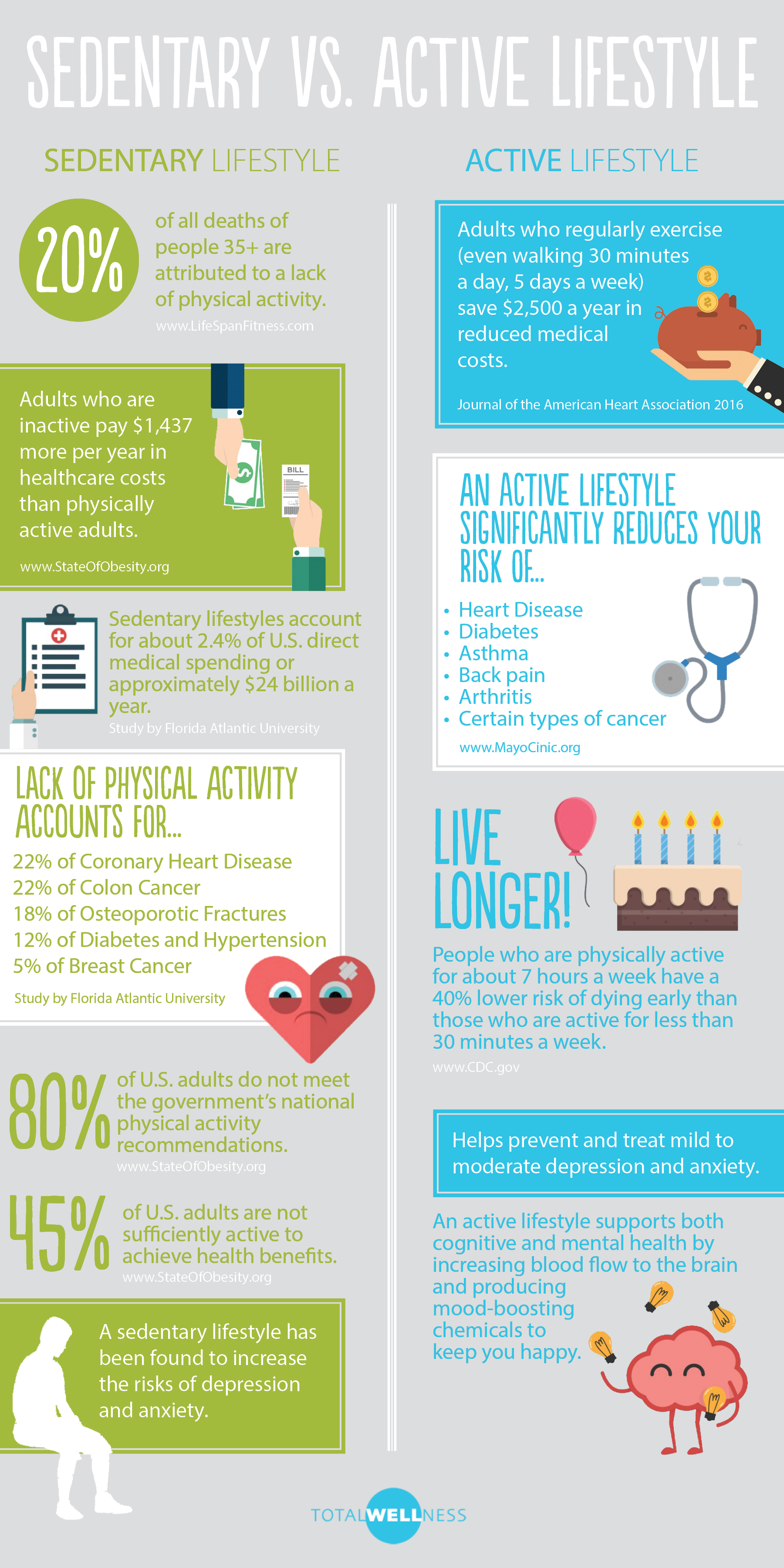
The urgency to escape a sedentary lifestyle has never been sharper, and a clear sedentary lifestyle exercise plan can be the difference between slow decline and resilient health. Screens steal our steps, meetings eat our margins, and recovery gets ignored until burnout forces a reset. Drawing from a longevity doctor’s seven-point cheat sheet, this guide rebuilds movement into your day with practical structure, smart metrics, and recovery protocols you can actually follow. The payoff: higher metabolic health, better cognitive stamina, and a buffer against the chronic conditions that stalk deskbound professionals.
- Step targets and pace control anchor daily movement without overtraining.
- Strength and power blocks protect muscle mass and joint integrity.
- Mobility, balance, and stability drills reduce injury risk.
- Recovery and posture cues keep gains sustainable under stress.
- Simple tracking makes the system repeatable in real life.
Why This Cheat Sheet Works For Sedentary Bodies
The core insight of this sedentary lifestyle exercise plan is stacking small, daily wins to rebuild metabolic flexibility. Sedentary workers accumulate tight hips, weak glutes, and fatigued upper backs that cascade into poor gait and compromised breathing. By sequencing steps, strength, and mobility with clear weekly guardrails, the plan minimizes decision fatigue and keeps consistency higher than any willpower-first approach.
Metabolic Leverage: Steps As Baseline
Daily steps remain the most portable biomarker of movement. The target sits at 8,000-10,000 steps with at least 20 minutes at a brisk pace to spike heart rate. This maintains insulin sensitivity and primes muscles for strength work. Use smartwatch or phone pedometer tracking, and schedule two brisk walks: one mid-morning to offset post-breakfast glucose and one late afternoon to blunt stress hormones.
Strength To Fight Muscle Loss
Without deliberate loading, muscle mass erodes after age 30. Two to three weekly strength sessions anchor the program: squats, hinges, pushes, and pulls in 30-40 minute blocks. Aim for 3-4 sets of 6-12 reps with controlled tempo. Prioritize compound lifts like goblet squats, Romanian deadlifts, pushups, and rows. Maintain a progressive overload log inside notes or a simple spreadsheet to track weight or rep increases.
Power And Plyometrics For Longevity
Short, explosive efforts preserve fast-twitch fibers that protect balance and joint health. Add micro-doses: 2-3 sets of 10-second sprints on a bike or hill, or 3 sets of 6-8 box jumps with full recovery. Keep total plyometric volume low to avoid tendon irritation.
Building A Week That Actually Fits Work
A plan fails when it ignores meetings, flights, or caregiving. This template respects real calendars:
- Monday: Strength A (squat focus) + 8,000 steps
- Tuesday: Brisk walk intervals + mobility
- Wednesday: Strength B (hinge and pull) + balance drills
- Thursday: Brisk walk + power sprints
- Friday: Strength C (push and carry) + posture resets
- Saturday: Long walk or hike hitting 10,000-12,000 steps
- Sunday: Recovery, light mobility, floor time
This structure leaves high-stress days lighter, concentrates heavy lifts when energy is higher early in the week, and bakes in recovery before Monday load returns.
Mobility, Stability, And Balance: The Hidden Longevity Stack
Mobility counters the desk-shaped body. Stability and balance prevent falls that derail active years. Together, they make every lift safer.
Hip And Thoracic Mobility
Add 8-10 minutes post-walk: 90/90 hip switches, world's greatest stretch, and thoracic openers against a wall. These free the hips for squats and deadlifts and let the spine rotate efficiently during gait.
Core Stability As Insurance
Instead of endless crunches, use anti-rotation drills: paloff press, dead bug, and side plank. Two sets of 30-40 seconds create stiffness to protect the lumbar spine during carries and hinges.
Balance Micro-Doses
Integrate 2-minute blocks: single-leg stands while brushing teeth, tandem walk down a hallway, or BOSU holds after strength. These sharpen proprioception and reduce ankle sprains.
Posture And Breathing: The Performance Multiplier
Sitting compresses the diaphragm and rounds shoulders, sabotaging oxygen delivery. A daily posture circuit restores alignment:
Wall angelsx10 repsChin tucksx10 reps to reset forward headBruegger reliefpose for 60 seconds- Three sets of
box breathingat 4-4-4-4 cadence
Improved breathing mechanics lower resting heart rate and increase endurance headroom in both walks and lifts.
Recovery: Where The Gains Stick
Longevity training punishes inconsistency more than intensity. Recovery practices keep inflammation manageable and joints willing.
Sleep And Timing
Keep strength sessions at least 3 hours before bed to avoid elevated cortisol. Target 7.5-8.5 hours of sleep; use blue light filters after 8 p.m. to preserve melatonin. Hydrate with electrolytes on lift days to offset sweat losses.
Active Recovery And Soft Tissue
Use 10-minute zone 2 bike rides and light foam rolling on off days. The goal is circulation, not pain tolerance. If soreness lingers beyond 72 hours, reduce volume by 20 percent the next session.
Measurement: Make Progress Obvious
Quantification turns guesswork into adherence. Track three signals weekly:
- Steps: Keep a 7-day rolling average above 8,000.
- Strength: Two lifts per pattern (squat, hinge, push, pull) with weekly volume notes.
- Recovery: Morning
heart rateandsleep scoreif available; energy rating 1-5 if not.
Small metrics prevent overreach: if sleep is low and resting heart rate is high, drop to a mobility day. Consistency beats hero workouts.
“Longevity is built by ordinary sessions done relentlessly, not by extraordinary sessions done occasionally.”
Pro Tips To Outsmart A Busy Calendar
Chunk walking into meetings. Convert two calls daily into walk-and-talk sessions to add 3,000 steps without extra time.
Use ladders for strength. Instead of fixed reps, run 1-2-3 ladders on pushups and rows to accumulate volume fast when time is short.
Prep a minimalist kit. Keep resistance bands, a kettlebell, and a yoga mat near your desk. Removing friction keeps adherence high.
Set posture alarms. Every 50 minutes, perform a 90-second reset: stand, chin tuck, wall angel, 10 deep breaths.
Future Implications: Training As Preventive Medicine
Movement is quietly becoming a vital sign. Employers are subsidizing wearables, insurers are pricing premiums on activity data, and clinicians view steps and grip strength as early-warning systems for cardiometabolic disease. By operationalizing this seven-point cheat sheet now, you not only fight today’s stiffness but build optionality for later decades: faster recovery from illness, lower fall risk, and a cognitive edge from better blood flow.
Why This Matters For Knowledge Workers
For people chained to keyboards, the cost of inactivity shows up as brain fog, back pain, and missed opportunities. A deliberate mix of steps, strength, and recovery keeps you billable, creative, and durable. The discipline of logging sets, protecting sleep, and respecting mobility is the same discipline that sustains ambitious careers.
Action Plan: Put It In Motion This Week
- Pick two 20-minute brisk walks and block them on your calendar.
- Schedule three 40-minute strength slots with one power micro-dose.
- Add a daily 5-minute mobility and posture reset.
- Track steps, two key lifts, and sleep for seven days.
- Review on Sunday and adjust only one variable at a time.
Consistency over complexity wins. Follow the cheat sheet for four weeks, and the once-sedentary body starts moving like it was designed to: strong, stable, and ready for whatever your calendar throws at it.
The information provided in this article is for general informational purposes only. While we strive for accuracy, we make no guarantees about the completeness or reliability of the content. Always verify important information through official or multiple sources before making decisions.