Bolivia Deploys Military as Protests Escalate
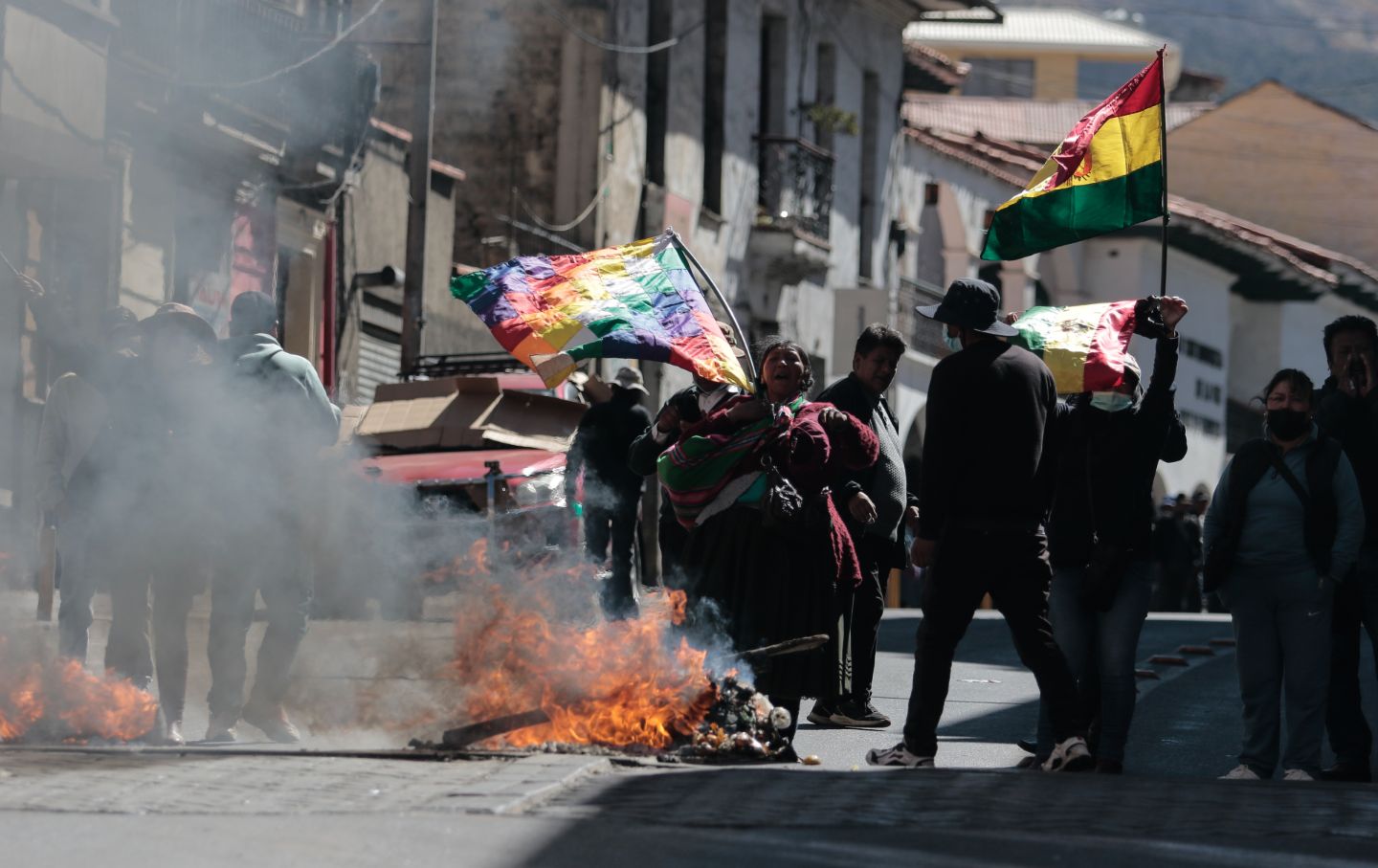
Bolivia Deploys Military as Protests Escalate
Bolivia’s state of emergency is more than a response to street protests: it is a stress test for the country’s political legitimacy, security apparatus, and economic stability. When a government turns to the military to contain unrest, the message is unmistakable: normal channels of negotiation have broken down, and the stakes are now national. For citizens, that can mean roadblocks, disruptions, and uncertainty. For businesses and investors, it signals a country where policy risk can spike overnight. And for the region, it raises a familiar but unsettling question: how far can a fragile democracy stretch before coercion replaces consensus?
- Bolivia’s emergency declaration suggests the government sees the protests as a direct threat to state control.
- Military deployment usually escalates tension, even when framed as a temporary security measure.
- Economic disruption is likely to deepen if transportation, supply chains, and public services are interrupted.
- Political legitimacy is now central: the crisis is as much about trust as it is about public order.
- Regional implications could spread if instability inspires copycat protests or tighter state responses nearby.
Why the Bolivia protests matter now
The immediate story is about anti-government demonstrations, but the deeper story is about governance under pressure. Protests become especially dangerous when they are no longer episodic rallies but sustained, coordinated disruptions that can shut down transportation corridors, choke commerce, and challenge the state’s monopoly on force. In that context, Bolivia’s decision to deploy military assets is not just tactical. It is a political signal that the administration believes the unrest has moved beyond the capacity of police alone.
That choice matters because it changes the public’s expectations. Once soldiers enter the picture, the state is no longer merely policing disorder. It is asserting that the crisis is existential. That can deter some acts of violence, but it can also inflame resentment, especially if protesters believe the government is using force instead of addressing underlying grievances.
When a government reaches for the military, it is often admitting something more uncomfortable than it intends: the crisis is no longer about a single protest, but about confidence in the state itself.
What the emergency declaration really tells us
Emergency powers are rarely just about restoring calm. They are also about expanding the government’s room to maneuver. Depending on how they are implemented, such measures can restrict movement, authorize broader security operations, and accelerate state responses that would otherwise require slower political or legal processes.
That flexibility can be useful in a fast-moving crisis. It can also be dangerous. Emergency measures tend to create a feedback loop: more force can lead to more resistance, which then justifies still more force. If the protests are rooted in economic hardship, corruption allegations, electoral disputes, or institutional distrust, a heavy-handed response may treat the symptoms while worsening the disease.
For Bolivia, the key question is not whether the government can clear a road or disperse a crowd. It is whether it can restore confidence without deepening the perception that dissent is being criminalized.
The Bolivia crisis and the risk of escalation
The military’s role in domestic unrest is always fraught. In democracies, armed forces are ideally positioned as a last resort, not a first answer. Their involvement can stabilize critical infrastructure or secure strategic sites, but it can also blur the line between civilian governance and coercive control.
Why escalation happens fast
Protests often escalate because neither side trusts the other to de-escalate first. Demonstrators fear that backing down means surrendering leverage. Governments fear that concessions will invite more unrest. Add social media amplification, rumors, and visible troop movements, and the temperature rises quickly.
In Bolivia’s case, the deployment suggests officials are worried about losing control of key public spaces or transport corridors. Once those are threatened, the government faces real operational problems: goods cannot move, public workers cannot get to their posts, and the economy absorbs a fresh shock.
Why force alone rarely solves the problem
Force can move people out of streets. It cannot fix inflation, unemployment, institutional distrust, or grievances tied to power sharing. That is why countries that lean too hard on security responses often find themselves cycling through unrest again and again. The military may buy time. It does not buy legitimacy.
For policymakers, the smarter move is usually a dual-track approach: protect critical infrastructure while opening a credible channel for negotiation. If the public thinks talks are performative, the crisis hardens. If talks produce visible concessions, pressure can subside.
Bolivia’s political fault lines
Bolivia has long been shaped by intense political polarization, social mobilization, and disputes over who gets to define the national agenda. That history matters because today’s unrest does not occur in a vacuum. Protest movements in the country are often deeply connected to labor, regional, Indigenous, and economic demands. When those constituencies feel ignored, the streets become a substitute for institutions that no longer seem responsive.
The current emergency also exposes a familiar structural problem: when governments depend on public order rather than public trust, every crisis becomes a test of authority. That is a brittle model of governance. It can function in periods of calm. It struggles badly under pressure.
Pro tip: watch whether the government frames protests as a security problem or a political one. That distinction tells you a lot about whether officials are preparing for negotiation or confrontation.
Why this matters for business and the wider region
Political unrest is not just a headline for diplomats. It has real-world economic consequences. If roads are blocked, suppliers miss deliveries. If transport routes are disrupted, fuel and food prices can rise. If public confidence falls, investment decisions get delayed. In emerging markets, stability premiums matter, and Bolivia’s emergency declaration will likely increase the cost of uncertainty.
Regional observers should also pay attention. Protests in one country can inspire tactics, rhetoric, and expectations elsewhere. Governments across Latin America know this well: once unrest becomes visible and sustained, it can spread through labor networks, student movements, and opposition coalitions. That is why emergency responses often carry a signal beyond their borders. They tell neighboring governments what kind of playbook is now on the table.
For markets and policymakers alike, the lesson is blunt: the cost of unrest is rarely limited to the streets where it begins.
What to watch next in the Bolivia crisis
The next phase will hinge on three variables: whether protests remain concentrated or spread, whether the military acts as a visible deterrent or an active enforcement force, and whether the government opens meaningful political space for dialogue. Those details will determine whether this is a short-lived emergency or the start of a prolonged institutional standoff.
- Scope of deployment: Is the military securing infrastructure, or is it directly confronting demonstrators?
- Political concessions: Does the government offer talks, policy changes, or independent mediation?
- Public sentiment: Are protesters losing momentum, or does the emergency fuel broader anger?
- Economic fallout: Are transport, trade, and public services beginning to show sustained disruption?
If the administration can pair security with credible outreach, it may contain the crisis before it spreads further. If it relies mainly on coercion, the unrest could harden into a broader legitimacy crisis that is much harder to unwind.
The bigger lesson from Bolivia’s emergency response
Bolivia’s decision to deploy the military is a reminder that state power is strongest when it is seen as legitimate, not merely forceful. Protest movements thrive where institutions fail to absorb pressure. Governments lose ground when they underestimate the political meaning of dissent and overestimate the durability of control.
This is why the story matters well beyond Bolivia. It reflects a global pattern: in moments of acute instability, leaders are often tempted to reach for visible force because it looks decisive. But decisiveness is not the same as durability. A state can clear a street in an afternoon and still lose the argument over who governs and why.
The real test now is whether Bolivia’s leaders can move from suppression to settlement. If they cannot, the emergency may be remembered less as a cure than as a warning.
The information provided in this article is for general informational purposes only. While we strive for accuracy, we make no guarantees about the completeness or reliability of the content. Always verify important information through official or multiple sources before making decisions.