Brace for the Next Fossil Fuel Shock
Introduction
The war may cool, but the energy panic does not. That is the uncomfortable truth hanging over oil, gas, shipping, and power markets right now. The latest Middle East crisis has once again exposed a fragile global system that still runs on fossil fuels, still depends on narrow transport chokepoints, and still reacts like a thermostat with a broken sensor: one geopolitical spark and prices lurch, supply chains tighten, and policymakers scramble. If you are watching the fossil fuel shock narrative unfold, the real story is not only what happens in Iran or the Gulf. It is how little room the world has built for disruption, even after years of climate warnings, energy transition pledges, and corporate diversification plans. The next shock may not look identical to the last one, but it is already being priced in.
- The end of one conflict does not restore stability to fossil fuel markets.
- Geopolitical risk remains embedded in oil and gas pricing.
- Transport chokepoints and spare capacity keep the system vulnerable.
- The energy transition is real, but it has not yet reduced short-term exposure enough.
- Consumers and governments should prepare for repeated volatility, not a quick return to normal.
Why the fossil fuel shock is bigger than one war
The phrase fossil fuel shock is easy to hear as a temporary market event. It is not. It is a structural warning about how modern economies still function. Oil and gas are not just commodities – they are inputs for transport, electricity, petrochemicals, manufacturing, fertilizer, and food logistics. When geopolitical tension rises, the effect spreads fast because the world has spent decades optimizing for efficiency over resilience.
That means the price spike tied to one conflict can linger long after the headlines move on. Traders do not wait for missiles to launch before they add risk premiums. Tanker owners adjust routes, insurers change terms, refiners hedge harder, and governments tap reserves or jawbone producers. The market is constantly anticipating the next disruption because it has been trained to expect one.
The market has learned to fear scarcity
Even when actual physical supply remains intact, scarcity psychology can move markets. Futures pricing bakes in expectations, not just barrels. If ships hesitate near sensitive waterways or if refinery exports are disrupted, the ripple reaches consumers quickly. That is why a potential fossil fuel shock can start well before any formal supply cutoff. Fear itself becomes part of the price structure.
The dangerous part of the current energy era is not that supply is always collapsing. It is that the system is built so tightly that even a hint of trouble can trigger a global price reaction.
How the next fossil fuel shock forms
There are several ways the next disruption can take shape, and none of them require a full-scale regional war. That is what makes this moment so fragile. The world’s dependence on fossil fuels creates multiple failure points, and each one has a different trigger.
1. Shipping chokepoints remain the weak link
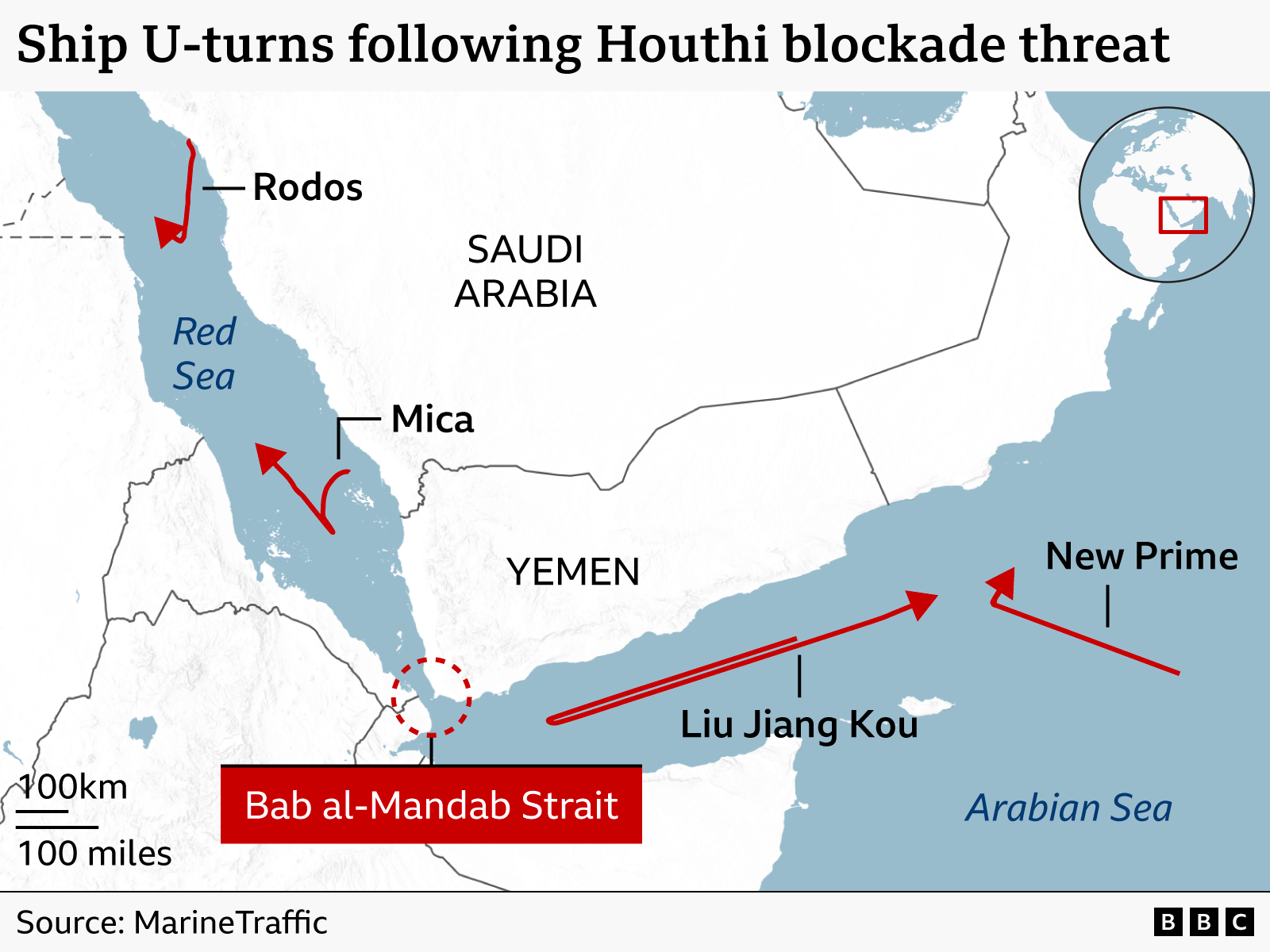
Oil still moves through a handful of critical corridors. If one route becomes unsafe, even briefly, the market re-prices the entire chain. A single choke point can force ships to reroute, add days to delivery times, and raise freight costs. Those costs do not stay in the shipping lane. They show up in refined fuels, airline tickets, plastics, and food prices.
2. Spare capacity is thinner than it looks
OPEC and allied producers can sometimes cushion shocks, but spare capacity is not a magic shield. It is finite, politically managed, and often concentrated in a few countries. When demand is strong or production constraints already exist, a sudden disturbance quickly overwhelms the buffer. The result is a familiar pattern: promises of stabilization followed by stubbornly high prices.
3. Gas markets are even more brittle
Natural gas is often presented as a flexible bridge fuel, but the reality is more brittle. LNG cargoes are redirected by price signals in real time, which helps the highest bidder more than the most vulnerable buyer. Europe learned this painfully after the Russia shock, and other regions could face similar stress if supply tightens again. A fossil fuel shock in gas markets can hit utilities, industrial users, and households at the same time.
Why this still matters even if the war ends
Ending one conflict does not erase the risk premium built into the system. Markets remember. Governments remember. And energy companies remember where the vulnerabilities are. The real issue is not whether the immediate crisis de-escalates. It is whether the underlying architecture of global energy has changed enough to absorb the next hit. Right now, the answer is only partly yes.
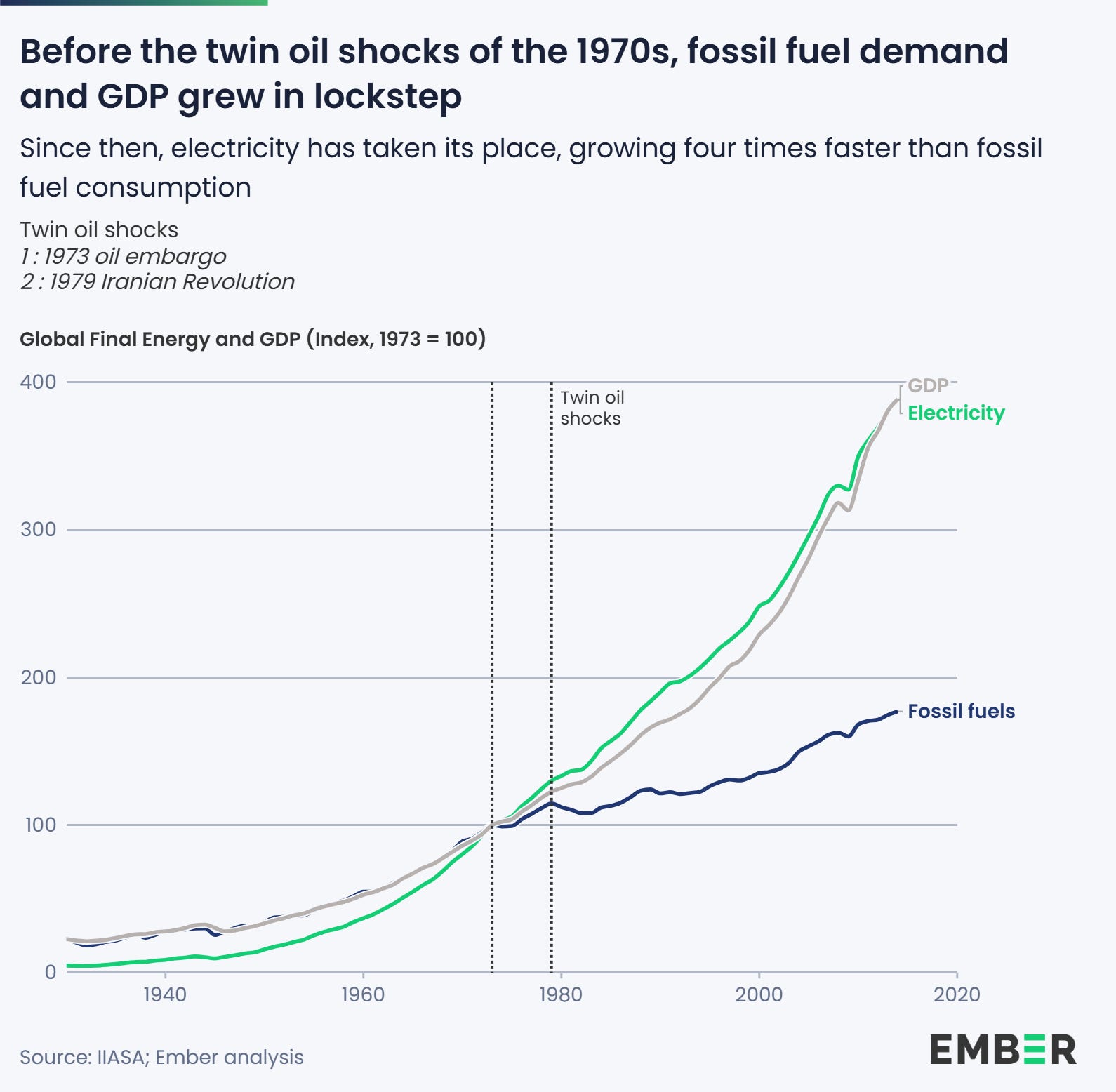
The energy transition is progressing, but unevenly. Electric vehicles, heat pumps, solar, wind, batteries, and efficiency gains are reducing demand growth in some sectors. Yet oil remains dominant in transport and petrochemicals, and gas still powers huge chunks of industrial and residential energy demand. That leaves the world in a halfway state: more options than before, but still deeply exposed to fossil fuel volatility.
For households, this means fuel and utility bills can spike even when domestic politics seem calm. For businesses, it means margins can be squeezed by input costs that are outside operational control. For governments, it means inflation can return through the energy back door, just as voters are hoping for relief.
The strategic lesson for policymakers
The smartest response to the next fossil fuel shock is not panic buying or rhetorical outrage. It is resilience planning. Governments should treat energy security like a core national infrastructure issue, not a temporary crisis-management exercise.
- Expand strategic reserves and make release mechanisms faster.
- Diversify import routes and supplier exposure.
- Invest in grid flexibility, storage, and demand response.
- Accelerate electrification in transport and heating.
- Strengthen price protections for vulnerable households.
These measures do not eliminate fossil fuel dependence overnight. They do something more immediate: they reduce the damage from the next disruption. That distinction matters. A resilient system can still use fossil fuels during the transition, but it is not hostage to them.
Pro tip for energy planners
Stress-test policies against multiple overlapping shocks, not just one supply cutoff. A port disruption plus a refinery outage plus a cold snap can be far more destabilizing than a single geopolitical event. The next crisis is likely to be a compound one.
What businesses should do now
Companies often wait until the price spike hits before they revisit energy risk. That is too late. Smart operators are already mapping exposure across procurement, logistics, and production. If you rely on fuel-intensive transport, gas-fired heat, or petroleum-derived inputs, the question is no longer whether you are exposed. The question is how much pain you can absorb.
Build a shock-resistant operating model
A practical response looks like this:
- Lock in flexible hedging strategies without overcommitting.
- Audit supplier concentration in regions vulnerable to disruption.
- Improve energy efficiency in facilities and fleets.
- Consider backup fuels or dual-fuel systems where feasible.
- Use scenario planning for energy price volatility in quarterly forecasts.
There is also a reputational angle. Companies that treat energy resilience seriously will look more credible to investors than those that pretend volatility is an exception. In a market defined by recurring shocks, preparedness is a competitive advantage.
Firms that assume energy prices will normalize permanently are making a bet against geopolitics, weather, infrastructure risk, and market psychology all at once.
The transition is the answer, but not the immediate fix
It is tempting to frame every fossil fuel crisis as proof that the transition is failing. That is too simplistic. The transition is working in the long arc of emissions reduction, technology adoption, and cost curves. But the transition is not yet complete enough to protect the global economy from short-term fossil fuel volatility.
That gap creates the central tension of this moment. The world must invest aggressively in clean energy while still living through a fossil fuel era that remains deeply unstable. More solar and wind help, but grids need storage and transmission. More EVs help, but charging networks and critical minerals need scale. More efficiency helps, but existing infrastructure is still built around oil and gas.
So yes, the next shock is already on its way. It may arrive through a tanker route, a refinery outage, a sudden diplomatic flare-up, or a weather event that strains gas and power systems. However it comes, the lesson will be the same: the fossil fuel economy remains a volatility machine. The faster governments and businesses recognize that, the less damage the next crisis will do.
The bottom line
The end of one war is not the end of energy instability. If anything, it is the moment when markets begin pricing the next one. The world has not yet built a durable buffer against fossil fuel shocks, and until it does, every geopolitical tremor will carry a global bill. The smartest move now is not optimism. It is preparation.
The information provided in this article is for general informational purposes only. While we strive for accuracy, we make no guarantees about the completeness or reliability of the content. Always verify important information through official or multiple sources before making decisions.