Canada Tariffs Force a Hard Pivot
Canada Tariffs Force a Hard Pivot
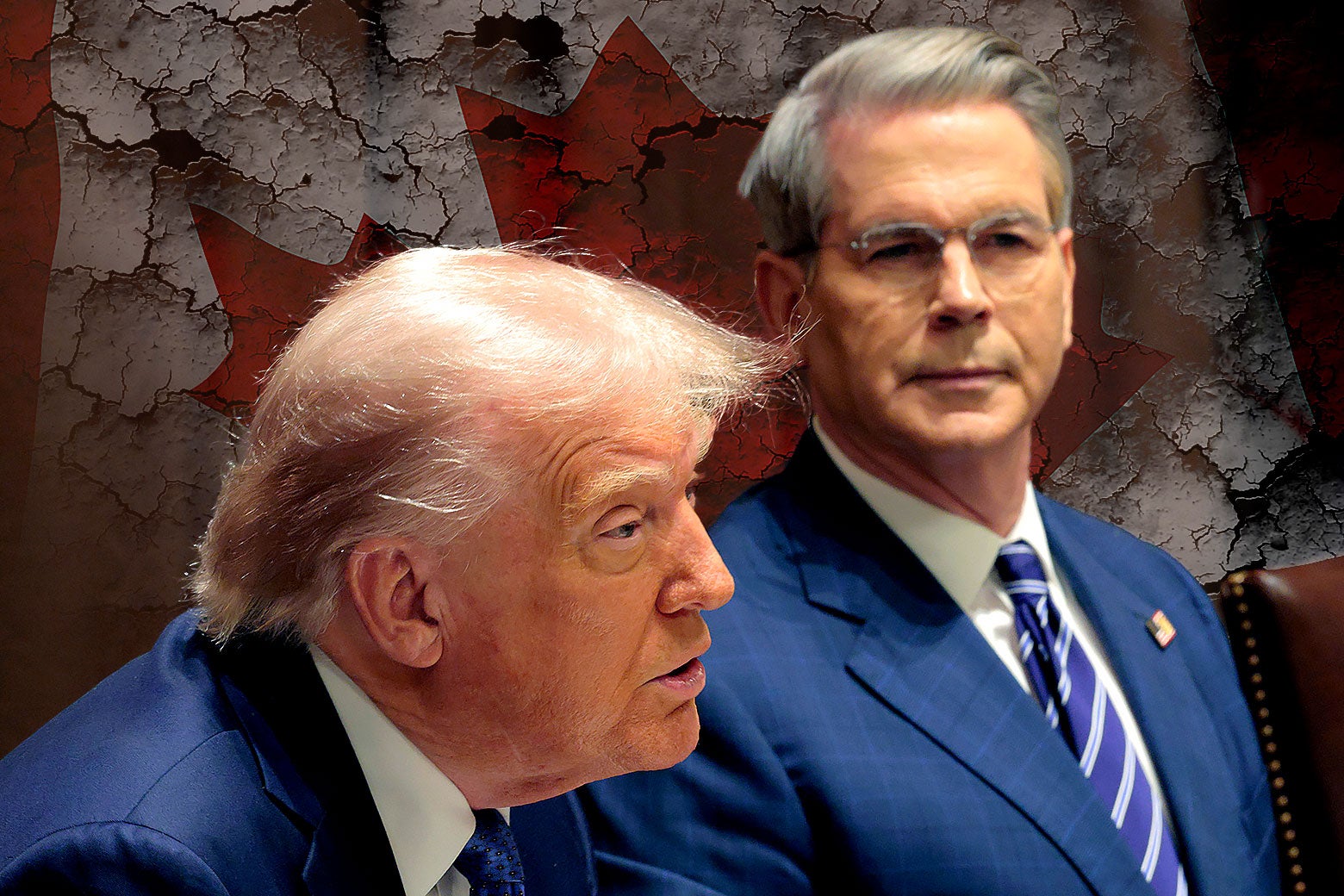
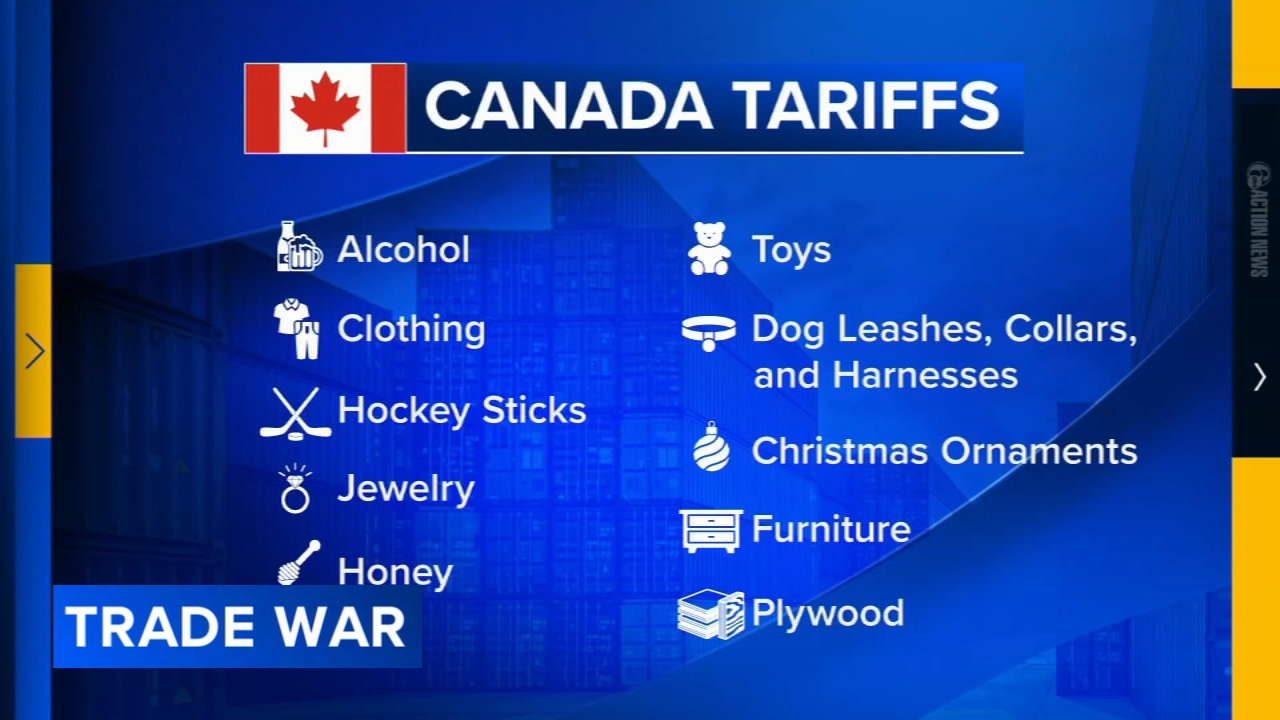
Canada tariffs are no longer a background trade dispute. They are now a live test of whether Ottawa can defend domestic industry without triggering a broader economic bruise. With pressure rising from Washington and retaliation on the table, the stakes are bigger than politics: manufacturers, automakers, exporters, and consumers are all exposed. The problem is not just higher costs. It is uncertainty, and uncertainty is poison for supply chains that were built on the assumption that North American trade would stay relatively predictable. Canada now has to do something governments hate: choose between looking tough and staying economically rational.
- Canada tariffs are reshaping trade strategy, not just trade rhetoric.
- Retaliation can create leverage, but it can also amplify costs at home.
- Businesses need contingency plans for pricing, sourcing, and inventory.
- The real battle is over supply-chain confidence and political credibility.
- The next moves will matter for cars, steel, aluminum, and broader North American trade.
Why Canada tariffs are a bigger deal than they look
At first glance, tariffs can seem like a blunt political weapon: easy to announce, harder to unwind, and often sold as strength. But Canada tariffs have a second-order effect that is more dangerous than the headline number. They force businesses to price in instability. When companies cannot trust trade rules, they delay investment, slow hiring, and rework sourcing plans that took years to build. That hits productivity, and productivity is where countries either quietly win or slowly fall behind.
For Canada, the pressure is especially acute because its economy is tightly linked to the U.S. market. That dependency has been an advantage for decades. It also means Canadian policymakers have less room to maneuver than they pretend. Any retaliatory move against the U.S. has to be measured against the possibility of higher input costs, retaliatory escalation, and domestic inflation. That is the kind of tradeoff that sounds decisive in a press conference and messy in a factory.
Tariffs are never just about tariffs. They are a signal to industry that the rules can change overnight, and that is often the real damage.
What retaliation actually does to the market
Retaliation is often framed as the only way to avoid looking passive. Politically, that is understandable. Economically, it is a gamble. When Canada answers tariffs with its own duties, it may create leverage in negotiations, but it also raises costs for domestic businesses that rely on imported components, raw materials, or finished goods. The public usually notices the price increase later, after the policy has already hardened into a talking point.
There is also a structural problem: retaliatory tariffs do not discriminate well. They may target politically sensitive sectors, but they still ripple through supply chains. If a Canadian automaker pays more for parts, that cost does not vanish. It shows up somewhere else, whether in margins, wages, output, or final prices. In other words, retaliation may be strategically useful, but it is rarely clean.
Who feels it first
The first casualties are usually the companies closest to the border friction. That includes auto suppliers, metal processors, logistics firms, and smaller exporters with thin margins. Big corporations can absorb shocks longer, but smaller firms often cannot. Once that pressure spreads, the consequences become visible in layoffs, delayed capital spending, and lower confidence in sectors that depend on predictable cross-border trade.
Why consumers should care
Consumers may not follow tariff policy closely, but they feel the result in everyday purchases. Higher costs in manufacturing tend to work their way into vehicle prices, appliances, construction materials, and eventually retail shelves. Even when inflation is cooling elsewhere, tariff-induced cost pressure can keep certain categories stubbornly expensive. That matters because households judge economic management at the checkout line, not in cabinet briefings.
Canada tariffs and the political trap for Ottawa
Prime ministers rarely get to choose the ideal policy environment. They inherit it. In this case, Canada faces a familiar but ugly political trap: act too softly and risk looking weak, act too aggressively and risk hurting the economy you are trying to protect. That is why tariff fights are so often less about economics than about credibility.
Carney’s challenge, like any Canadian leader facing this kind of pressure, is to project control without turning the response into theater. The strongest response is not necessarily the loudest one. It is the one that can be defended months later if growth slips, business investment cools, or Washington escalates again. That means Canada has to think beyond the immediate retaliation cycle and ask what outcome it actually wants: relief, negotiation, leverage, or long-term decoupling in specific sectors.
The most dangerous mistake in a tariff fight is believing every move must be dramatic. Sometimes the smartest move is a narrow one that preserves flexibility.
How businesses should respond now
For companies operating across Canada and the U.S., the playbook needs to change fast. Hope is not a strategy, and waiting for political clarity often means missing the window to adapt. The firms that survive tariff shocks best are the ones that treat policy volatility as a permanent operating condition.
- Audit exposure: identify every product line, supplier, and shipment route touched by cross-border trade.
- Stress-test margins: model what happens if input costs rise 5 percent, 10 percent, or more.
- Reprice strategically: do not raise prices blindly, but do not absorb unlimited cost pressure either.
- Build inventory buffers: add short-term resilience where supplier concentration is too risky.
- Diversify sourcing: look for alternate vendors in Canada, the U.S., and third-country markets.
One practical move is to create a tariff scenario table inside your procurement plan. A simple structure can clarify the risk quickly:
Scenario A: no change
Scenario B: targeted tariff increase
Scenario C: broad retaliatory cycle
That may sound basic, but many firms still run their purchasing decisions as if policy risk is a one-time event. It is not. In volatile trade conditions, procurement is strategy.
The supply chain lesson Canada cannot ignore
The deepest lesson here is not about any single tariff announcement. It is about how fragile integrated North American production has become. For years, firms optimized for efficiency: fewer suppliers, tighter inventory, just-in-time logistics, and seamless border flow. That model works beautifully when policy is stable. It becomes brittle when trade becomes a political weapon.
Canada tariffs expose the hidden cost of hyper-efficiency. A supply chain can be lean, or it can be resilient. It is increasingly hard to be both. That tradeoff will now shape decisions in sectors from automotive manufacturing to construction materials to food processing. Companies that once viewed Canada-U.S. integration as an unqualified asset are now being forced to price in disruption as a normal business input.
Why manufacturing is especially exposed
Manufacturing lives and dies on predictability. Machines, parts, schedules, and contracts all assume that cross-border inputs arrive when expected and at the expected cost. Tariffs break that logic. They do not just add expense. They introduce timing risk, compliance burden, and planning friction. The result is slower decision-making across the chain, which can be more damaging than the tariff rate itself.
The hidden compliance tax
There is also a quieter burden: paperwork, classification, and legal review. Companies must verify origin, update customs documentation, and reassess contract language. That compliance overhead is easy to overlook, but it can be significant for mid-market firms without large trade teams. In practice, every tariff regime creates a new tax in labor hours, even before any duty is paid.
What happens next depends on leverage, not slogans
The future of the Canada tariffs fight will be decided less by public bravado and more by leverage. Which side can sustain pain longer? Which industries can absorb the shock? Which political leader is most vulnerable to pressure from businesses, workers, or voters? Those questions matter more than any single statement of principle.
If Canada retaliates carefully, it may force negotiations without detonating key sectors. If it overreaches, it risks making domestic conditions worse and handing opponents an easy critique. If it underreacts, it signals weakness and invites more pressure. There is no painless path, only degrees of damage.
The most likely outcome is a phased response: targeted tariffs, selective exemptions, and heavy back-channel diplomacy. That would fit the pattern governments usually prefer when they want to appear firm without fully severing the trade relationship. But phased responses also buy time for businesses to adapt, which is why markets often react more to tone and timing than to the tariff headline itself.
The smartest governments use tariffs like a scalpel, not a sledgehammer. The problem is that politics usually rewards the sledgehammer.
Why this matters beyond Canada
This dispute is not just a Canada-U.S. story. It is a preview of how democracies will handle economic nationalism in an era of fragile supply chains and politically weaponized trade. Every new tariff makes the case for regional self-reliance, but it also proves how expensive that independence can be. That tension is now central to industrial policy across North America and beyond.
For readers, the practical takeaway is simple: trade policy is no longer a distant macroeconomic issue. It is a direct operating risk. Whether you run a factory, manage procurement, invest in logistics, or simply buy the products affected by these fights, Canada tariffs have already entered your cost structure. The only real question is how much more they will reshape it.
And that is why this matters now. The next phase of the tariff battle will not just reveal who blinks first. It will reveal whether North American trade remains a framework for growth, or becomes another arena where political posturing slowly erodes economic trust.
The information provided in this article is for general informational purposes only. While we strive for accuracy, we make no guarantees about the completeness or reliability of the content. Always verify important information through official or multiple sources before making decisions.