Mammograms Reveal Heart Risk
Mammograms Reveal Heart Risk
A routine breast screening may be doing more than looking for cancer. The emerging conversation around mammogram heart health is raising a provocative possibility: one of the most common imaging tests in women’s health could also surface early clues about cardiovascular risk. That matters because heart disease remains the leading killer of women, yet many people still think of it as a men’s health problem. The pain point is brutally simple: women may show up for preventive breast care while silent artery changes are already underway. If clinicians can use existing mammogram images to identify breast arterial calcification, the same appointment could become a smarter gateway to prevention, risk counseling, and earlier treatment.
- Routine
mammogramimages may reveal signs linked to heart risk, especiallybreast arterial calcification. - This is not a replacement for cardiac testing, but it may help identify who needs deeper evaluation.
- Women are often underdiagnosed for
cardiovascular disease, making opportunistic screening especially valuable. - The next challenge is clinical workflow: how radiology reports, primary care, and cardiology teams respond.
Why mammogram heart health is suddenly a bigger deal
The concept is not that a mammogram can diagnose a heart attack waiting to happen. It cannot. The more useful idea is subtler and potentially more powerful: a screening test already performed on millions of women may contain underused information about vascular health.
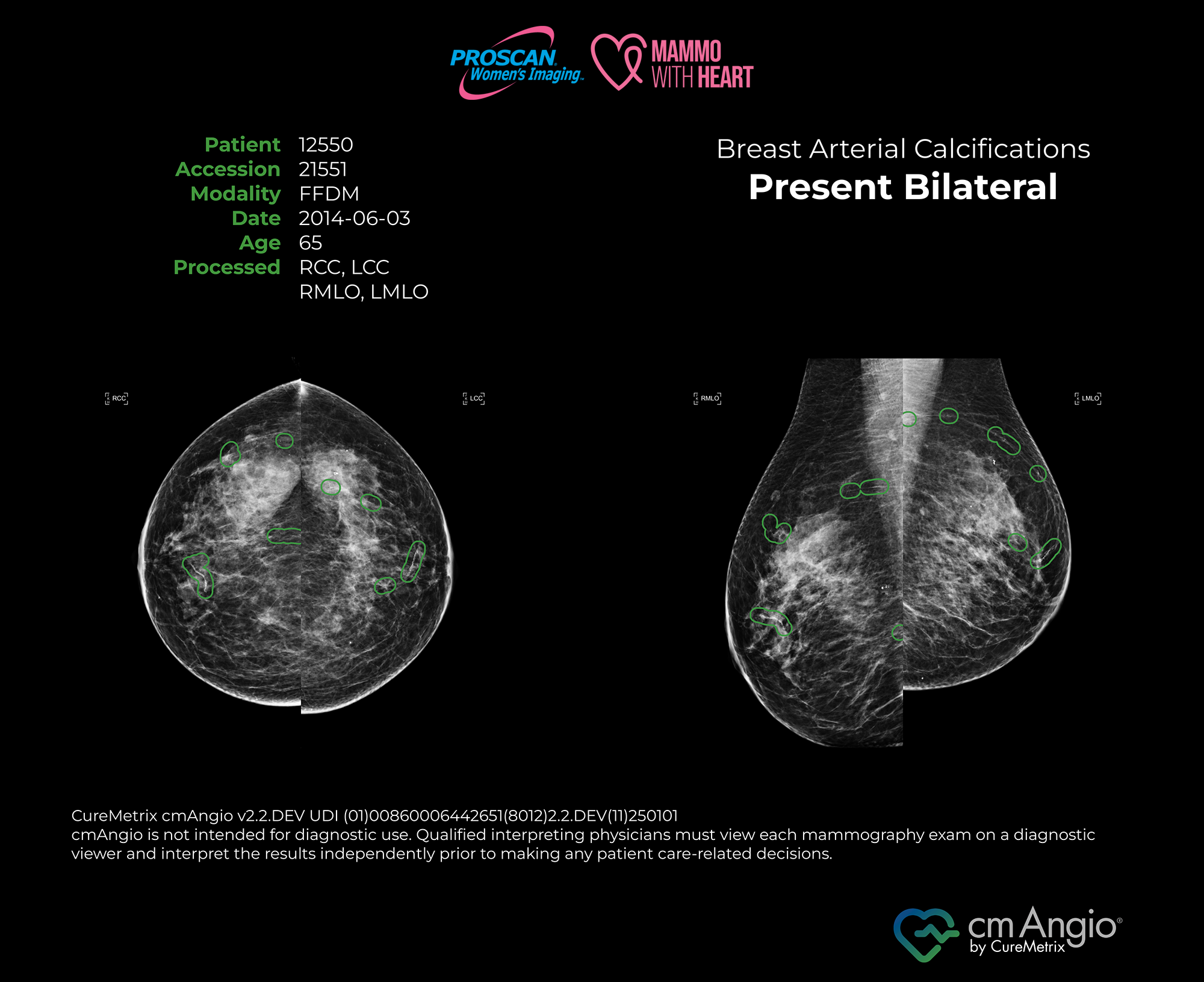
During a standard mammogram, radiologists may see calcium deposits in the arteries of the breast. This finding, called breast arterial calcification, is different from the calcifications doctors evaluate for possible breast cancer. Cancer-related calcifications are assessed in breast tissue patterns. Breast arterial calcification appears in the vessel walls and may reflect broader changes in the body’s vascular system.
Key insight: The most disruptive health tech is not always a new gadget. Sometimes it is a new interpretation of data doctors are already collecting.
That is why the mammogram heart health conversation feels important. It sits at the intersection of preventive medicine, imaging, artificial intelligence, women’s health, and a health system desperate to find risk earlier without adding unnecessary cost or burden.
Mammogram heart health and the science behind breast artery clues
Breast arterial calcification has been associated in research with higher risk of cardiovascular disease, including conditions involving arterial stiffness, plaque burden, and metabolic dysfunction. The presence of these calcifications does not automatically mean a patient has blocked coronary arteries. But it may function as a risk signal, particularly when combined with age, blood pressure, cholesterol, diabetes status, smoking history, and family history.
For patients, the distinction matters. A finding on a mammogram should not trigger panic. It should trigger a better conversation.
What the radiologist may see
On imaging, breast arterial calcification can appear as parallel, track-like calcium deposits along blood vessels. Historically, these findings were often considered incidental because the primary purpose of the exam was breast cancer detection. The shift now is about whether incidental should also mean actionable.
What the finding may mean
The finding may indicate vascular aging or a tendency toward calcification in the arteries. That can overlap with risks seen in coronary artery disease, hypertension, chronic kidney disease, diabetes, and other conditions that affect blood vessels. The strength of the signal varies by patient and by study, which is why responsible clinicians frame it as risk information, not a standalone diagnosis.
What it does not mean
It does not mean breast cancer. It does not mean a patient has had a heart attack. It does not mean someone should start medication without a clinician reviewing the full picture. The value is in prompting a targeted follow-up, not in turning a screening result into a scare campaign.
The strategic guide for patients after a flagged result
If your mammogram report mentions breast arterial calcification, the best move is calm, practical, and proactive. Treat it as a data point that belongs in your broader health record.
- Ask what was seen: Was the calcification mild, moderate, or extensive?
- Share the report with your primary care clinician: Do not assume every doctor automatically sees imaging notes from another department.
- Review your risk factors: Blood pressure,
LDL,HDL,A1C, smoking status, pregnancy history, menopause status, and family history all matter. - Ask whether additional testing is appropriate: Some patients may benefit from a
lipid panel,coronary artery calcium score, or cardiology referral. - Do not skip future screenings: A heart-related observation does not reduce the importance of breast cancer screening.
Pro tip: Bring the exact language from your imaging report to your next appointment. A vague statement like, they saw something in my arteries, is less useful than the actual phrase breast arterial calcification.
Why this matters for women’s health
The broader context is the under-recognition of women’s heart disease. Symptoms can be dismissed, risk can be underestimated, and prevention can be delayed. Women may also experience heart disease differently than men, with symptoms that include fatigue, shortness of breath, nausea, jaw pain, back pain, or indigestion-like discomfort rather than classic crushing chest pain.
There are also female-specific risk factors that deserve more attention: preeclampsia, gestational diabetes, early menopause, autoimmune disease, and certain cancer treatments can all influence cardiovascular risk. A mammogram finding cannot replace that history, but it can force the conversation into the room.
Editorial take: The promise here is not one miracle scan. The promise is a health system that stops treating organs like separate apps and starts reading the whole operating system.
The technology angle is bigger than radiology
The next frontier is consistency. Human radiologists can identify breast arterial calcification, but reporting practices may vary. Some reports mention it clearly. Others may not emphasize it. Emerging tools using artificial intelligence and automated image analysis could standardize detection and scoring, making the information easier to interpret at scale.
That opens the door to a more connected workflow. Imagine a future where a patient’s mammogram report automatically flags vascular calcification, routes a summary to primary care, calculates a risk profile using existing labs, and prompts evidence-based next steps. That is not science fiction. It is the kind of boring, practical automation health care urgently needs.
But there is a catch. More detection can also mean more anxiety, more follow-up visits, and more potential overtesting. The system has to be designed carefully so it identifies meaningful risk without turning every incidental finding into a cascade of expensive procedures.
What clinicians should do next
For clinicians, the opportunity is to turn a visual clue into a prevention pathway. That means radiologists, primary care physicians, cardiologists, and gynecologists need shared language around breast arterial calcification.
- Radiology teams should consider clear, standardized wording when vascular calcifications are present.
- Primary care teams should treat the finding as a prompt to reassess cardiovascular risk, not as an emergency.
- Cardiology teams should help define which patients need advanced testing and which need lifestyle or medication optimization.
- Health systems should build workflows that prevent important incidental findings from getting buried in patient portals.
The bottom line on mammogram heart health
The rise of mammogram heart health is a reminder that preventive care is becoming more layered. A single appointment can generate information about cancer risk, vascular health, and long-term disease prevention. The challenge is making that information useful rather than overwhelming.
Patients should not view breast arterial calcification as a diagnosis. They should view it as a nudge to ask better questions: How is my blood pressure? What is my LDL? Do I need a risk assessment? Are there lifestyle changes or medications that could reduce my future risk?
The smartest health systems will not treat this as a novelty. They will treat it as a chance to close one of medicine’s most persistent gaps: finding heart disease risk in women before it becomes a crisis.
The information provided in this article is for general informational purposes only. While we strive for accuracy, we make no guarantees about the completeness or reliability of the content. Always verify important information through official or multiple sources before making decisions.