Congress Grills Gates In Epstein Fallout
Congress Grills Gates In Epstein Fallout
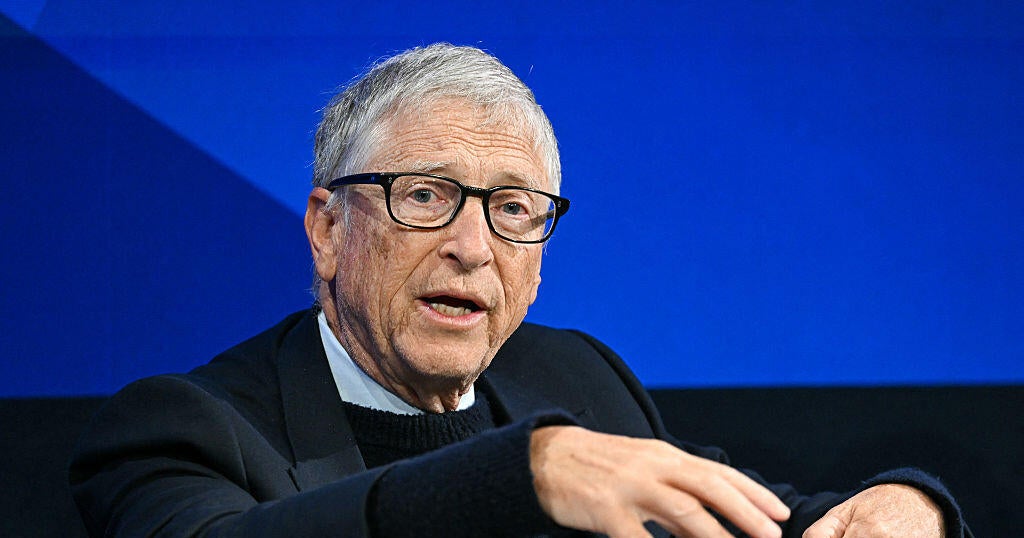
The Bill Gates House Oversight hearing push lands like a thunderclap for Silicon Valley and K Street alike. Lawmakers want Microsofts cofounder and Trump ally Pam Bondi to explain why their names surface around Jeffrey Epstein and what that means for money, access, and influence. This is not a tabloid rerun. It is a stress test of how tech titans navigate scandal as Congress reclaims narrative control. The request signals that the old playbook of quiet settlements and carefully worded statements may no longer hold. For readers trying to parse risk, the fight is really about who sets the rules when private wealth intersects with public power and how far Congress will go when reputations and elections collide.
- House leaders are demanding testimony and documents to map networks around Epstein and elite donors.
- Bill Gates now faces political scrutiny that could spill into his philanthropic and business influence.
- Pam Bondis proximity to Trump world makes this a proxy battle over 2024 narratives.
- Tech boards and comms teams should treat this as a blueprint for crisis-era transparency.
The Bill Gates House Oversight hearing signals a broader accountability reset
The committee is framing its ask as a public duty, not a partisan stunt. A formal House Oversight invitation is a reminder that Congress can compel documents, schedule hearings, and keep a story alive for weeks. When the subject is a billionaire who funded global health initiatives and sits at the center of AI debates, the stakes compound. Lawmakers are effectively saying that philanthropy does not immunize anyone from hard questions about past associations.
Editorial stance: Congress is testing whether tech royalty still gets VIP treatment or if the post-Epstein era demands total daylight.
Republicans see an opening to tie elite donors to uncomfortable history, while Democrats eye leverage to pressure megadonors tied to Big Tech. Both parties know that televised questioning delivers viral clips and resets headlines. The hearing threat alone forces Gates world to prepare depositions, talking points, and risk assessments that could surface internal emails once guarded by NDAs.
Political optics, not just legal exposure
Even if no criminal liability emerges, the political optics are brutal. Gates has spent years recasting himself as the dispassionate engineer solving pandemics and climate change. Being summoned over Epstein rewinds that narrative to private jets and secretive networks. Bondi brings her own baggage as a former Florida attorney general who aligned with Trump and later worked on his defense fund. Their parallel presence ensures the hearing will play out as a referendum on how power shields itself.
The committee can use subpoena power if voluntary cooperation stalls. That threat alone pressures any corporate partner considering silence. Expect lawmakers to press on calendars, emails, flight manifests, and donor lists to show that influence buying is not a myth but a spreadsheet away.
Why the Bill Gates House Oversight hearing matters for tech influence
Big Tech already faces antitrust suits, AI guardrails, and content moderation fights. Adding a reputational inquest connects personal conduct to regulatory momentum. If Gates loses public trust, it becomes easier for skeptics to argue that tech elites cannot self-police. That ripple effect could touch boardrooms from Seattle to Menlo Park, where leaders are watching to see whether personal scandals trigger policy backlash.
Key insight: Accountability hearings rewrite the risk models that boards use to judge founders and big donors.
Investors and nonprofit partners may ask whether continued association brings headline risk. Government contractors could reconsider bids if a founders name triggers negative vetting. Even universities accepting philanthropic grants could face student protests demanding disclosure of donor vetting. The reputational contagion is real.
Pro Tips for leaders facing oversight gravity
- Draft a public-facing
transparency memothat lists all relevant contacts, flights, and donations before lawmakers do it for you. - Run a rapid red-team on email archives to surface anything that could appear in discovery, then craft context-rich explanations.
- Align legal, comms, and policy teams so that testimony, press lines, and internal town halls match.
- Prepare a values narrative that explains past judgment lapses and current guardrails, not just denials.
Inside the documentation hunt
The committee wants to map patterns: who traveled when, who donated, who introduced whom. These are not idle curiosities. Patterns reveal whether access was traded for favors or if public officials ignored red flags. Because Epstein cultivated scientists and philanthropists, the document trail could stretch into grantmaking, research convenings, and private foundation strategy. That is why Gates foundation lawyers are likely cross-referencing trips, meetings, and any philanthropic overlap with Epstein-linked entities.
The Bondi angle is equally telling. As Floridas top prosecutor, her office once fielded criticism over handling of cases tied to powerful interests. Lawmakers will probe whether judgment in that era aligns with decisions made when she joined Trump orbit. Linking her presence with Gates allows the committee to examine bipartisan elite circles, not just one party.
Strategic media choreography
Expect carefully timed leaks. Congressional staff can feed select emails to friendly outlets to shape perception before any sworn testimony. Gates team will counter with controlled interviews and context framing. Bondi may lean on conservative media to argue the probe is a distraction from inflation and border policy. The net effect is a fragmented infosphere that leaves audiences unsure whom to trust – unless the primary documents land in full.
Watch for strategic drip releases rather than a single document dump. Each tranche keeps the story alive while testing public reaction.
Why this hearing could shift congressional muscle
Oversight committees have often been dismissed as theater. But when they target marquee names like Gates, their leverage expands. The ability to compel a billionaire, dissect flight logs, and scrutinize foundation spending proves Congress can still set agendas in a tech era dominated by platforms. That could embolden lawmakers to accelerate other probes into AI safety, data privacy, and monopolistic practices, citing the same need for sunlight.
It also sets precedent. If Gates is compelled to testify, future founders may find themselves summoned when personal conduct intersects with public policy. That shifts the calculus for private equity backers who prefer operating in the shadows. The line between private life and public accountability narrows.
Signals for the 2024 narrative war
Election cycles magnify everything. If Gates testifies before November, both parties will weaponize soundbites. Republicans could frame it as proof that coastal elites are corrupt. Democrats could argue that GOP grandstanding ignores policy solutions. Bondis presence ensures Trump world is implicated, which may complicate that message. Voters will not remember every fact, but they will remember images: Gates under oath, Bondi defending choices, lawmakers brandishing enlarged exhibits.
Social platforms will clip and remix those moments. The same algorithms that boosted vaccine misinformation will now spread unverified theories about jet manifests. That dynamic makes clear communication essential. Without it, speculation outpaces facts.
Future implications and what to watch
First, the scope of document requests. If the committee demands internal foundation communications, it signals an appetite to test the firewall between philanthropy and personal networks. Second, cooperation level. Voluntary compliance suggests an attempt to end the spectacle early. Resistance invites escalation and extends the news cycle. Third, whether other tech leaders get drawn in. Names adjacent to Epstein or to Gates philanthropy could appear in appendices, widening the circle.
Finally, consider the policy knock-on effects. If Congress proves it can pressure a titan like Gates, expect more aggressive oversight on AI transparency, data governance, and foreign investment screening. The playbook becomes reusable.
Editorial bottom line: This is less about relitigating Epstein and more about recalibrating how much secrecy elites think they can buy.
For executives, the takeaway is stark: crisis preparedness now includes geopolitical, legal, and reputational lanes converging at once. For citizens, the hearing is a reminder that accountability is a process, not a headline. The next few months will show whether Congress uses its tools to uncover truth or to score clips. Either way, the Bill Gates House Oversight hearing will define how power is questioned in a digital-first political arena.
The information provided in this article is for general informational purposes only. While we strive for accuracy, we make no guarantees about the completeness or reliability of the content. Always verify important information through official or multiple sources before making decisions.