Cyberattack Response Defines Survival
A major operational disruption no longer starts with smoke coming from a server room. It starts with locked systems, delayed orders, silent tills, frozen logistics dashboards, and customers wondering whether their data is safe. The latest BBC report on digital disruption is another warning that cyberattack response has become a board-level survival test, not a back-office IT chore. For businesses that depend on connected payments, cloud software, digital supply chains, and real-time customer data, a single breach can ripple through revenue, reputation, staffing, and regulatory exposure within hours. The uncomfortable truth is simple: prevention still matters, but recovery is now the metric that separates resilient organizations from exposed ones. Companies that treat cyber incidents as rare technical failures are already behind. The smart ones are rehearsing for impact.
- Cyber disruption is now operational disruption, affecting sales, logistics, customer service, and trust.
- Cyberattack response must be owned by leadership, not delegated entirely to technical teams.
- Modern resilience depends on tested backups, segmented systems, supplier visibility, and fast communications.
- Regulators, customers, and investors increasingly judge companies by how quickly and transparently they recover.
Why Cyberattack Response Is Now a Business Strategy
The old security playbook was built around the idea of keeping attackers out. That is still essential, but it is no longer enough. Today, companies operate across cloud platforms, payment processors, third-party software, remote devices, connected warehouses, and customer-facing apps. Every added integration creates convenience – and another potential point of failure.
That is why incident response has moved from the basement to the boardroom. A ransomware attack or systems outage can immediately stop online orders, halt call centers, disrupt payroll, delay inventory movement, and trigger a wave of customer complaints. Even when no customer data is stolen, the business damage can be severe because customers experience the incident as a broken promise.
Key insight: The real test is not whether an organization can avoid every attack. It is whether it can keep serving customers when critical systems are degraded, isolated, or offline.
For executives, this reframes cyber risk. It is not just a question of whether the company has antivirus software or a security team. It is whether the entire organization understands which services are mission-critical, how long it can survive without them, and who makes decisions when the normal chain of command is under pressure.
Cyberattack Response Starts Before the Breach
The most effective response plans are boring by design. They are documented, rehearsed, updated, and understood by people outside the security function. In practice, that means companies need a clear map of their critical systems, dependencies, vendors, and fallback processes.
Know What Must Keep Running
Every organization should maintain a live inventory of essential assets: payment systems, customer databases, identity platforms, warehouse management software, email servers, ERP tools, and core cloud environments. If leaders do not know what breaks first, they cannot prioritize recovery.
This is where many businesses discover uncomfortable gaps. A retailer may have robust protections around its website but weaker controls around supplier portals. A manufacturer may protect office systems but underestimate the risk to operational technology. A healthcare provider may focus on patient records while overlooking appointment scheduling, billing, or connected diagnostic tools.
Build Backups That Actually Work
Backups are often treated as a checkbox. That is dangerous. A useful backup strategy must include offline or immutable copies, frequent restoration testing, and clear recovery time targets. If a company has never restored from backup under pressure, it does not really know whether its backups are viable.
Pro tip: Test restoration on a schedule, not after a crisis. A backup that cannot be restored quickly is just expensive storage.
Segment Systems Before Attackers Move
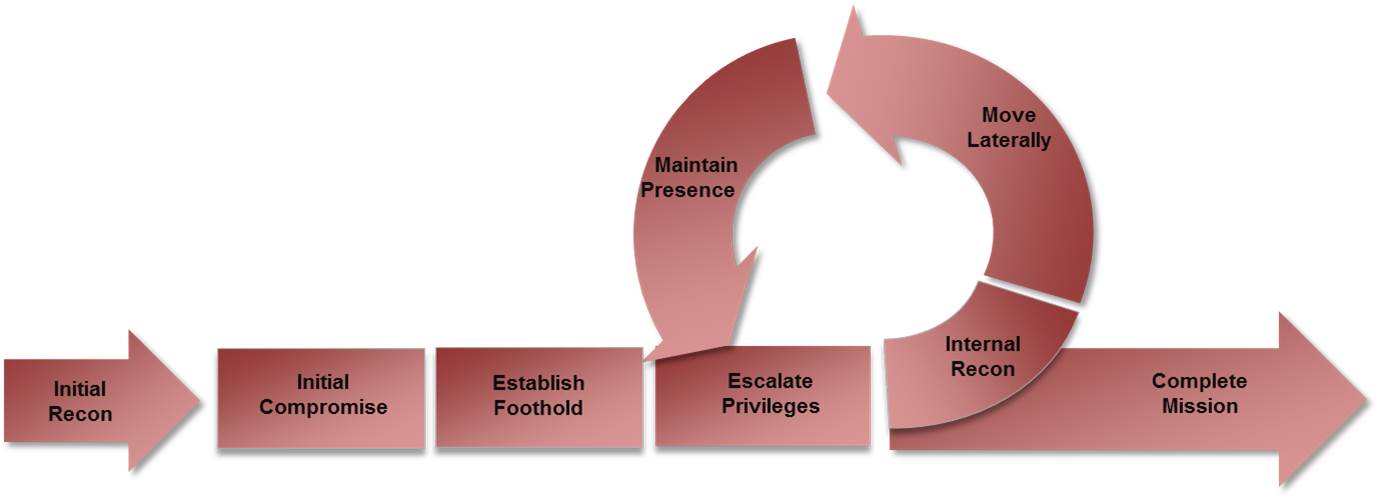
Network segmentation limits how far attackers can travel once inside. The principle is simple: a compromised laptop should not become a bridge to payroll, customer data, warehouse systems, and cloud administration consoles. Strong identity and access management, multi-factor authentication, least-privilege permissions, and careful monitoring are now basic requirements.
What Leaders Should Do During a Cyberattack Response
When systems fail, speed matters. But speed without discipline creates confusion. The best response plans give teams permission to act quickly while keeping executives, legal advisers, communications teams, and technical responders aligned.
- Activate the incident team: Bring together security, IT, legal, operations, communications, customer support, and executive leadership.
- Establish facts quickly: Identify affected systems, suspected entry points, operational impact, and whether data exposure is possible.
- Contain before restoring: Reconnecting systems too early can reinfect networks or destroy forensic evidence.
- Communicate clearly: Employees, customers, suppliers, regulators, and investors need timely updates that avoid speculation.
- Document every decision: A clean record supports legal review, insurance claims, regulatory engagement, and post-incident learning.
One of the biggest mistakes companies make is overpromising recovery timelines. Customers can forgive disruption more easily than vague, shifting, or defensive messaging. Transparency does not mean publishing every technical detail. It means acknowledging impact, explaining what is being done, and updating stakeholders before rumor fills the gap.
The Hidden Weak Spot Is the Supply Chain
Modern companies are not just defending themselves. They are defending an ecosystem. A business may have mature internal security but still depend on vendors with weaker controls. Payroll providers, marketing platforms, logistics partners, outsourced support desks, and software suppliers can all become indirect routes into critical operations.
This is why supplier risk management is becoming central to cyberattack response. Procurement teams need to ask harder questions before contracts are signed: Does the vendor use MFA? How does it handle encryption? What is its breach notification process? Does it support audit rights? Can it prove business continuity readiness?
The future of vendor management will look less like paperwork and more like continuous monitoring. Companies will expect real-time assurances, stronger contractual obligations, and faster disclosure when third parties are hit. The era of trusting suppliers by default is fading.
Why This Matters for Customers and Investors
Cyber incidents are now public trust events. Customers want to know whether their personal data, payment details, and accounts are safe. Employees want to know whether they can work and get paid. Investors want to know whether the disruption will hit revenue, costs, and long-term confidence.
Markets are increasingly unforgiving when companies appear unprepared. A cyberattack can trigger direct costs such as forensic services, legal fees, customer support expansion, regulatory penalties, ransom negotiations, and infrastructure rebuilds. But the indirect costs can be worse: lost loyalty, cancelled contracts, executive turnover, and brand damage.
The strategic lesson: Cyber resilience is no longer a technical feature. It is part of the customer experience, the investor story, and the operating model.
Cyberattack Response Will Define the Next Decade
The pressure is only increasing. Artificial intelligence will help defenders detect suspicious behavior faster, automate triage, and analyze massive volumes of security signals. But it will also help attackers write better phishing messages, scan for weaknesses, and scale social engineering campaigns. The result is not a safer internet by default. It is a faster battlefield.
Regulation will also tighten. Governments are pushing companies to report serious incidents more quickly, protect critical infrastructure, and prove that executives understand cyber risk. Boards that once treated security as a technical budget line will be expected to challenge assumptions, demand readiness metrics, and fund resilience before disaster strikes.
The companies that win will not be the ones claiming they are impossible to breach. They will be the ones that can isolate damage, restore essential services, explain what happened, and emerge with customer trust intact. That requires investment in people, process, and technology – but also humility. The next cyber crisis will not wait for a convenient quarter, a completed transformation project, or a fully staffed security team.
Bottom line: Cyberattack response is now a core measure of business competence. If leaders cannot answer what happens when systems go dark, they do not have a technology problem. They have a strategy problem.
The information provided in this article is for general informational purposes only. While we strive for accuracy, we make no guarantees about the completeness or reliability of the content. Always verify important information through official or multiple sources before making decisions.