Distillery Poisoning Case Tests Justice
Introduction
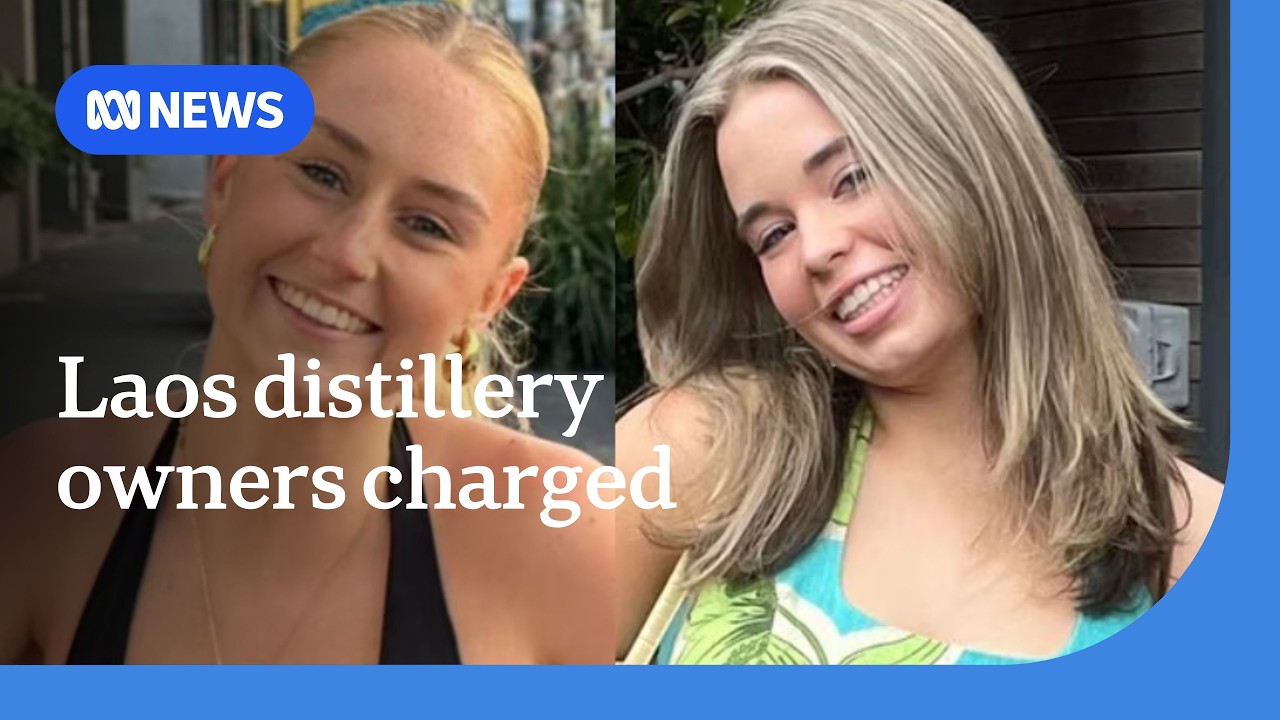
A jail term of only three months for an alleged poisoning incident involving Australian teenagers would not just shock the public – it would expose a deeper problem in how the justice system weighs harm, intent, and accountability. This case has landed in a moral pressure cooker: a distillery owner, young victims, and a court outcome that could look wildly out of step with the damage done. The headline is not just about one alleged act. It is about what happens when public trust, product safety, and criminal sentencing collide. For businesses that serve consumers, especially in food and drink, the stakes are brutal. One lapse can become a lifelong stain. For regulators and courts, the challenge is even harder: how do you punish conduct that may be reckless, grievous, and socially corrosive without making sentencing feel arbitrary?
- The alleged poisoning case could become a test of whether the punishment fits the harm.
- Sentencing in incidents involving teenagers often triggers intense public scrutiny.
- Food and drink businesses depend on trust, and trust can disappear in a single scandal.
- The case highlights the gap between legal outcomes and public expectations of accountability.
Why the Distillery Poisoning Case Matters
This is not simply a criminal case. It is a referendum on whether institutions can respond proportionately when consumer safety is allegedly violated in a dramatic and high-profile way. If the reported sentence is as short as three months, many people will see a mismatch between the scale of the harm and the response from the justice system. That perception matters because legitimacy in the law depends on more than technical correctness. It depends on whether outcomes feel credible.
For the beverage industry, the implications are immediate. Distilleries, wineries, breweries, and hospitality brands live on reputation. Consumers assume the contents of a bottle are safe, monitored, and traceable. The second that assumption breaks, the entire sector absorbs the fallout. Compliance teams, quality assurance managers, and owners across the market will be asking the same question: how do you recover when a safety scandal becomes a public spectacle?
When trust is the core product, a single failure can be more damaging than years of marketing.
What Makes the Sentence So Controversial
The controversy is not just that prison time may be short. It is that the alleged victims are teenagers, a fact that sharpens public outrage. Cases involving younger victims often invite a stronger emotional response because the harm feels both immediate and long-tail. Teenagers are not abstract complainants. They are people whose health, safety, and future choices may have been affected by an adult in a position of responsibility.
Legal systems do not sentence purely based on outrage, though. Courts typically weigh intent, evidence, prior conduct, cooperation, remorse, and statutory limits. But that legal architecture can be difficult for the public to accept when the reported outcome appears lenient. The result is a familiar modern tension: the law may be precise, but public confidence demands something that also looks morally intuitive.
The gap between legal logic and public expectation
In high-profile harm cases, the public often expects punishment to communicate condemnation as much as deterrence. If the sentence is perceived as too light, people read the outcome as institutional indifference. If it is too severe, they see overreach. That balancing act is especially hard in cases involving alleged poisoning, where the act itself suggests deliberate or grossly careless disregard for safety.
That is why this case has the potential to resonate far beyond one courtroom. It touches a broader nerve about whether systems can still impose consequences that match the gravity of the offense.
Distillery Poisoning Case and the Trust Economy
Modern food and drink businesses operate inside a trust economy. Customers cannot inspect every step of the production chain. They rely on labels, licensing, hygiene standards, batch controls, and a basic expectation of lawful conduct. That makes the sector unusually vulnerable to scandals. A contamination incident can be accidental. An alleged poisoning is something else entirely. Even before guilt is fully established, the allegation alone can reshape perceptions.
For smaller operators, this is existential. A boutique distillery might spend years building a brand, only to see it wiped out by one incident. Insurance can help with some losses, but not the reputational damage. Staff morale falls. Retail partners grow cautious. Distribution channels tighten. And the public, once alarmed, rarely returns quickly.
- Reputation risk: A safety scandal can erase brand equity overnight.
- Regulatory scrutiny: Businesses in alcohol and food face tighter inspections after incidents.
- Consumer behavior: People tend to avoid brands associated with contamination or harm.
- Operational cost: Legal defense, recalls, and compliance reviews can become expensive fast.
What operators should be thinking about now
Any business handling consumables should treat this case as a warning shot. Audit chain-of-custody procedures. Review batch records. Tighten incident-response plans. Make sure staff know escalation protocols for any safety complaint. And document everything. In a crisis, the ability to prove what happened can matter as much as the event itself.
quality_audit() should not be a box-ticking exercise. It should be a living process that identifies weak points before they become headlines. Likewise, incident_response_plan should be tested, not just filed away.
How the Justice System Will Be Judged
Courts do not operate in a vacuum. High-profile cases are always interpreted through a public lens, especially when the alleged conduct seems shocking. This is where transparency becomes crucial. If the sentence is short, the reasoning must be crystal clear. If there are mitigating factors, they need to be explained. If the legal framework constrains the judge, that limitation should be visible to the public rather than hidden behind dense procedural language.
Otherwise, the system risks a corrosive outcome: people stop believing that the law is capable of expressing the seriousness of harm. That belief gap can be just as damaging as the sentence itself. It feeds cynicism, and cynicism is expensive for every public institution.
Sentencing is not only punishment. It is also a message about what a society will tolerate.
Why This Matters Beyond One Courtroom
There are three wider lessons here. First, consumer safety and criminal accountability are intertwined. A business that handles ingestible products has an elevated duty of care because the consequences of failure can be severe and irreversible. Second, public trust is fragile. Once people think a system is too forgiving, they start questioning every part of it. Third, the media cycle matters. Cases like this can rapidly become symbolic, which means the facts and the framing can diverge fast.
That symbolic force can drive reform. Politicians may revisit sentencing ranges. Regulators may tighten compliance rules. Industry groups may issue new guidance. In other words, one alleged poisoning case can shape policy conversations far beyond the original facts.
The future implications for alcohol and food businesses
Expect more emphasis on traceability, staff vetting, product handling, and incident reporting. Expect insurers to ask harder questions. Expect consumers to demand proof, not promises. In a sector built on experiential trust, safety is no longer a background assumption. It is the product.
Businesses that understand this will invest earlier in safeguards, training, and documentation. Those that do not may learn the hard way that reputation damage can outlast any legal verdict.
The Bottom Line
The alleged poisoning of Australian teenagers at a distillery is the kind of story that exposes the fault lines between law, business, and public expectation. If the reported sentence is indeed only three months, the backlash will likely be fierce because people instinctively measure justice against harm, not against statute books. That does not mean courts should sentence by outrage. It does mean they need to communicate clearly when outcomes look surprising. For the industry, the lesson is simpler and harsher: trust is fragile, and safety failures are never just operational problems. They are existential ones.
Whether this case becomes a legal footnote or a broader turning point will depend on the evidence, the final judgment, and how effectively the system explains itself. But the warning is already clear. When consumers believe they are not safe, nothing else matters nearly as much.
The information provided in this article is for general informational purposes only. While we strive for accuracy, we make no guarantees about the completeness or reliability of the content. Always verify important information through official or multiple sources before making decisions.