Ecuador Escalates Gang War

Ecuador Escalates Gang War
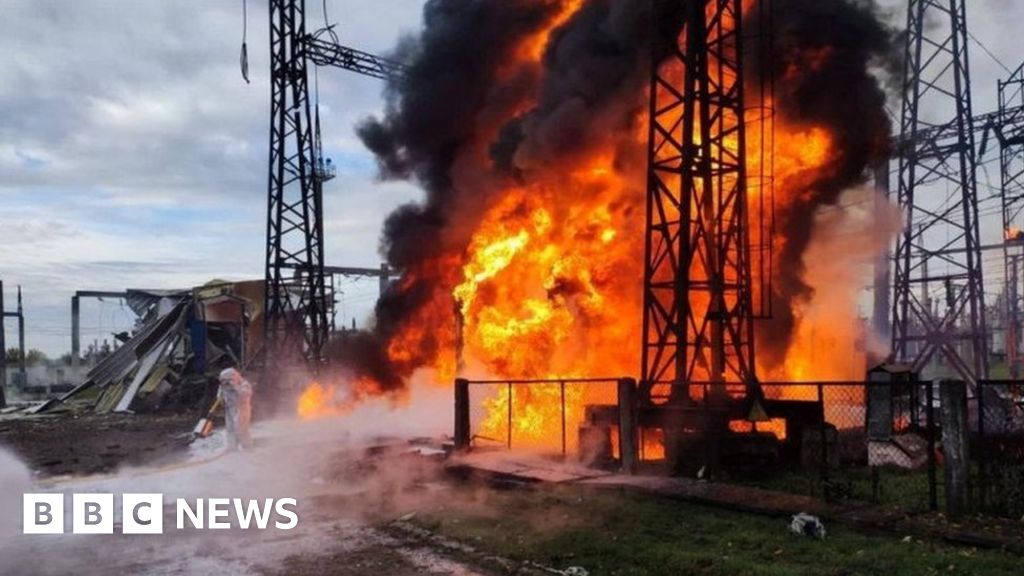
Ecuador is no longer treating organized crime as a policing problem. The Los Tiguerones terrorist designation marks a sharper, more dangerous phase in the country’s fight against drug gangs, one that turns prison-born criminal networks into enemies of the state. For a country battered by assassinations, prison massacres, port corruption, extortion, and cocaine trafficking, the temptation to escalate is obvious. But labels are not strategy. Calling a gang a terrorist group can unlock tougher tools, international pressure, and financial crackdowns. It can also blur the line between public security and war, giving governments a dramatic headline while leaving communities stuck between heavily armed gangs and heavily armed security forces.
- The move signals a hardening strategy: Ecuador and its allies are treating gangs like national security threats, not ordinary criminal organizations.
Los Tigueronesare part of a wider criminal ecosystem: The group’s influence is tied to prisons, ports, extortion, and cocaine routes.- The terrorist label could expand enforcement powers: It may help target financing, leaders, and international enablers.
- The risk is overreach: A militarized response can produce abuses, displacement, and stronger gang recruitment if not paired with courts, intelligence, and social policy.
Why the Los Tiguerones Terrorist Designation Changes the Stakes
The decision to frame Los Tiguerones as a terrorist-style threat is not just semantic. In modern security policy, the label terrorist organization can change how governments investigate, prosecute, freeze assets, cooperate across borders, and justify force. It can also shift public expectations from law enforcement to battlefield logic.
That is the central tension. Ecuador has a real emergency. Its murder rate surged in recent years as gangs fought for control of trafficking corridors and prisons became command centers. The country’s Pacific ports are strategically valuable to cocaine exporters moving product toward North America and Europe. Criminal groups exploit container logistics, bribed officials, vulnerable neighborhoods, and overcrowded prisons. In that context, a tougher designation looks less like political theater and more like a state trying to regain basic authority.
Key insight: A terrorist label may help isolate a gang financially, but it cannot substitute for functioning courts, protected witnesses, clean ports, and trusted police intelligence.
The reported involvement of Marco Rubio in pushing or supporting this posture adds a geopolitical layer. Washington has increasingly viewed Latin American gangs and cartels through a national security lens, especially when drug trafficking, migration pressure, money laundering, and violence intersect. For Ecuador, US backing can mean intelligence cooperation, sanctions capacity, training, and diplomatic weight. It also means the country’s internal security crisis becomes part of a broader regional fight over organized crime.
The Los Tiguerones Terrorist Designation Is a Bet on Deterrence
At its core, the policy bets that pressure works. If the state can increase the cost of membership, disrupt command structures, seize money, target collaborators, and deny safe havens, then Los Tiguerones may fragment or retreat. That theory has some logic. Gangs thrive when consequences are predictable and manageable. They can absorb routine arrests if leaders keep communicating from prison, revenue keeps flowing, and corrupt partners remain untouched.
A designation can make that ecosystem more fragile. Banks and businesses become more cautious. Associates who once considered themselves peripheral suddenly face exposure. Officials who help gangs may face greater scrutiny. Cross-border cooperation becomes easier to justify. Prosecutors gain a stronger narrative: this is not street crime, it is an organized threat to the state.
But deterrence has a brutal caveat. Criminal networks do not always respond to pressure by dissolving. Sometimes they respond by escalating. Public attacks, prison riots, assassinations, and intimidation can be used to show that the state cannot protect civilians. That is especially true when gangs already operate like hybrid organizations: part drug network, part prison militia, part neighborhood authority, part extortion machine.
The problem with treating gangs like insurgents
When governments describe gangs as terrorists, the response often becomes militarized. Soldiers enter neighborhoods. Emergency powers expand. Curfews become easier to impose. Surveillance grows. Trials may become harsher. The state projects strength, which can be politically popular in a frightened country.
The danger is that gangs can exploit every mistake. A wrongful raid, an abusive checkpoint, or a mass detention with weak evidence can become recruitment material. Communities that already distrust the state may become less willing to cooperate. Intelligence dries up. Witnesses stay silent. The gang’s narrative changes from criminal opportunism to resistance against state violence, even if that narrative is cynical and false.
Pro Tip for policymakers: If a government uses the terrorist designation framework, it should pair every tactical operation with evidence standards, independent oversight, and community protection. Otherwise, the policy can win headlines and lose legitimacy.
What Los Tiguerones Reveals About Ecuador’s Security Breakdown
Los Tiguerones did not emerge in a vacuum. Ecuador’s crisis reflects a convergence of geography, institutional weakness, and global cocaine demand. The country sits between major cocaine-producing regions and the Pacific shipping lanes that connect South America to lucrative foreign markets. Its ports are attractive because legitimate trade volumes can conceal illicit cargo. Its prisons became incubators for gang organization. Its political system has struggled to keep pace with the scale of criminal adaptation.
This is what makes the gang problem so difficult. It is not only about arresting gunmen. The real architecture includes corrupt port workers, logistics brokers, money launderers, prison coordinators, weapons suppliers, local lookouts, and international buyers. A gang like Los Tiguerones may be visible in street violence, but its power depends on a network that stretches far beyond the streets.
Ports are the pressure point
If Ecuador wants to weaken gangs, ports matter as much as patrols. Container contamination, bribery, and weak inspection systems can turn legal commerce into a cover for cocaine exports. Scanning technology helps, but technology alone is not enough. Criminal groups adapt quickly when enforcement becomes predictable. They shift routes, rotate contacts, and test weak links.
The smarter strategy is layered: better container risk profiling, vetted anti-corruption units, protected whistleblowers, rapid financial investigations, and cooperation with destination countries. That is less dramatic than a military deployment, but it attacks the business model.
Prisons remain command centers
Ecuador’s prisons have been central to gang power. Overcrowding, corruption, and weak control allowed incarcerated leaders to coordinate violence and maintain influence. If the state cannot govern prisons, every arrest risks becoming a transfer from the street office to the prison office.
A serious response requires secure communications controls, separation of high-risk leaders, professional prison staffing, intelligence collection, and rehabilitation pathways for lower-level members. Without prison reform, the terrorist organization label may simply increase the number of detainees inside institutions gangs already understand how to exploit.
The Rubio Factor and the Regional Message
Rubio’s association with the issue matters because it reflects a wider shift in US political thinking. Gangs and cartels are increasingly discussed not merely as criminals, but as strategic threats. That framing can unlock sanctions, intelligence sharing, and diplomatic coordination. It can also satisfy domestic demands for toughness on drugs and border security.
For Ecuador, outside support is valuable. The country needs resources, intelligence, and international pressure on money flows. Yet there is a sovereignty dilemma. If the anti-gang campaign appears imported or shaped primarily by foreign politics, opponents can portray it as an external agenda. The most durable strategy must be Ecuadorian-led, even when it benefits from US tools.
Editorial view: International backing can sharpen Ecuador’s response, but the country cannot outsource legitimacy. Citizens will judge the strategy by safety, justice, and whether the state protects them without becoming another source of fear.
Why This Matters Beyond Ecuador
Ecuador is a warning sign for the region. Countries once considered relatively insulated from cartel-level violence can become trafficking hubs when routes shift and institutions lag. Global drug markets behave like water under pressure: block one path and the flow searches for another. If ports, prisons, and police systems are vulnerable, criminal networks move fast.
The Los Tiguerones terrorist designation may become a template. Other governments could seek similar labels for gangs that control territory, terrorize civilians, or attack state institutions. That might improve cooperation against transnational networks. It might also normalize emergency governance in places where democratic institutions are already strained.
The lesson is not that the designation is wrong. It is that it is incomplete. The state needs coercive capacity, but coercion without institutional repair is a short-term sedative. It may reduce visible violence temporarily while leaving the trafficking economy intact.
What success should look like
- Targeted leadership disruption: Arrests should focus on command, finance, logistics, and corruption, not broad sweeps designed to inflate numbers.
- Financial pressure: Authorities need to follow money through businesses, real estate, cash networks, and cross-border laundering channels.
- Port integrity: Anti-corruption controls and cargo intelligence must become central to the strategy.
- Prison control: The state must stop prisons from functioning as gang headquarters.
- Community protection: Residents need safe reporting channels, witness protection, and credible alternatives for at-risk youth.
The Bottom Line on Ecuador’s Gang War
The move against Los Tiguerones is a dramatic escalation, and Ecuador’s fear is justified. A state cannot tolerate gangs that assassinate, extort, dominate prisons, and plug into global cocaine markets. But the label terrorist group is a tool, not a victory. Used carefully, it can help dismantle financial networks, isolate leaders, and deepen international cooperation. Used carelessly, it can militarize public life, weaken rights, and hand gangs the chaos they feed on.
The best version of this strategy is ruthless about evidence and disciplined about power. It treats gangs as sophisticated criminal enterprises, not just enemies to be crushed. It recognizes that ports, prisons, courts, banks, and neighborhoods are all part of the battlefield. And it understands the hardest truth of modern security: the state wins only when citizens trust it more than they fear the gangs.
The information provided in this article is for general informational purposes only. While we strive for accuracy, we make no guarantees about the completeness or reliability of the content. Always verify important information through official or multiple sources before making decisions.