Ebisu Opens and Bets Big on Seven Corners
Ebisu Opens and Bets Big on Seven Corners
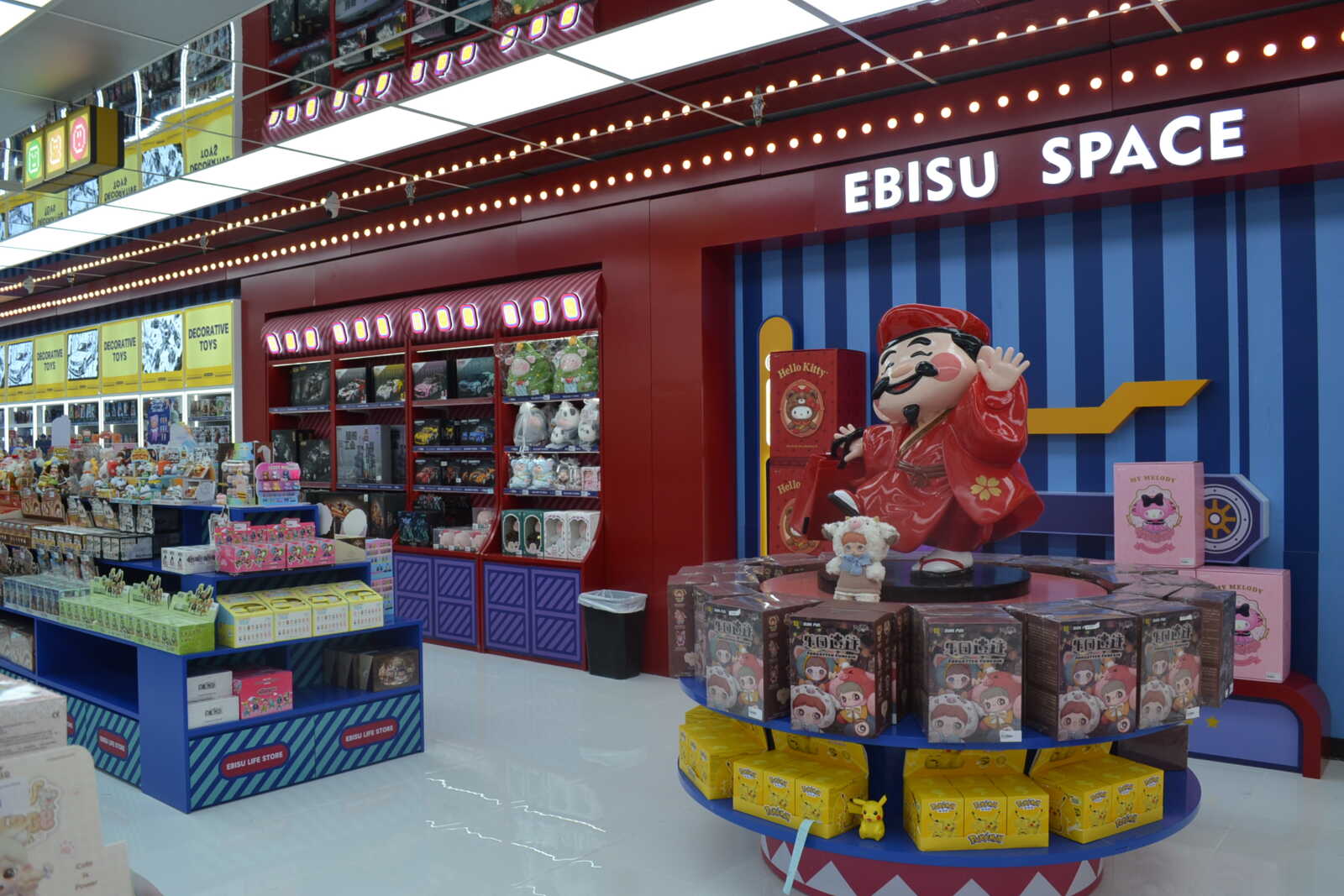
Physical retail is not dead – bland retail is. That is the real story behind the Ebisu Seven Corners opening, a launch that says a lot about where lifestyle shopping is headed next. Shoppers are increasingly tired of endless scrolling, generic big-box inventory, and algorithmic sameness. What still works is discovery: stores that feel curated, culturally specific, and worth leaving the house for. Ebisu, a Japanese lifestyle store now open in Seven Corners, lands squarely in that gap. It is not just selling products. It is selling an experience built around design, gifting, home goods, snacks, and the kind of tactile browsing e-commerce still struggles to replicate. For local consumers, that is exciting. For landlords and competing retailers, it is a signal that niche, high-intent shopping can still generate real momentum in neighborhood retail.
- Ebisu Seven Corners opening reflects rising demand for curated, experience-driven retail.
- Japanese lifestyle stores thrive by blending affordability, novelty, and strong gift appeal.
- Seven Corners benefits from a tenant that can drive repeat visits rather than one-off transactions.
- The store’s success could validate a broader suburban strategy for culturally focused retail brands.
Why the Ebisu Seven Corners opening matters
The immediate headline is simple: a new Japanese lifestyle store has opened in Seven Corners. The deeper takeaway is more strategic. Retail has been undergoing a hard reset for years, and the winners tend to share a few traits. They offer clear point of view, a strong visual identity, and products that invite impulse purchases without feeling disposable. That is exactly the lane stores like Ebisu occupy.
Japanese lifestyle retail has built a global audience because it solves a deceptively hard problem. It makes everyday shopping feel fun again. Home organization tools, stationery, tableware, plush items, beauty accessories, kitchen gadgets, and imported snacks all turn routine spending into low-risk discovery. Customers do not need a major purchase decision. They just need a reason to browse.
The smartest retailers today are not asking customers to buy more. They are giving them better reasons to visit.
That matters in a place like Seven Corners, where traffic, convenience, and cross-shopping opportunities shape store performance. A concept like Ebisu can turn casual foot traffic into recurring visits because inventory categories naturally refresh consumer curiosity. You do not go once and feel done. You go back to see what is new.
What Ebisu is really selling
At a surface level, Ebisu is a lifestyle store. But that label can undersell the model. Stores in this category do well because they combine several retail engines into one format:
- Giftability: many products are easy to buy for someone else.
- Affordability: lower price points reduce hesitation.
- Collectibility: shoppers often build habits around seasonal or rotating items.
- Cultural appeal: the store offers a specific aesthetic rather than a generic assortment.
- Social shareability: visually distinctive products naturally generate word-of-mouth.
That mix is powerful. Traditional department stores often struggle because they carry too much undifferentiated inventory. On the other hand, an effective Japanese lifestyle retailer creates a coherent brand universe. Everything feels part of the same story, even when the shopper is moving from ceramics to plush toys to pantry goods.
For consumers, that means less friction. For the business, it means stronger basket-building. A customer may walk in for one item and leave with five because the store architecture encourages small add-ons across categories.
How Seven Corners fits the strategy
Location still decides a lot in retail, and Seven Corners is an interesting place to test or grow a concept like this. The area is busy, diverse, and practical. It supports shoppers looking for value, convenience, and novelty, which is exactly the combination a lifestyle store needs.
A diverse customer base is an advantage
Culturally specific retail concepts often perform best in markets where customers are both locally rooted and globally curious. Seven Corners checks that box. A Japanese lifestyle store does not need to appeal only to one demographic to succeed. It can attract families, students, gift shoppers, anime and stationery fans, food explorers, and home decor buyers all at once.
That broadens the addressable market without forcing the brand to become generic. In fact, maintaining specificity is usually the advantage.
Repeat traffic matters more than grand-opening hype
Openings generate buzz, but neighborhood retail wins on repeatability. Ebisu has the right product profile for that. Consumables, seasonal items, decor updates, and impulse-friendly goods all create reasons to return. A shopper may stop in once for snacks, another time for storage solutions, and again for last-minute gifts.
This is where physical retail can still beat digital. Browsing a shelf of unexpected items creates serendipity in a way that a search bar rarely does.
The bigger retail trend behind Ebisu
The Ebisu Seven Corners opening is also part of a broader shift in how physical stores justify their existence. For years, the assumption was that e-commerce would absorb more and more consumer spending until brick-and-mortar became mostly a logistics layer. That did happen in some categories. But it also exposed what online shopping does poorly.
Online excels at replenishment, known-item purchase, and price comparison. It is less effective at tactile discovery, emotional merchandising, and building a sense of delight around low- to mid-priced goods. That is why categories like beauty, specialty grocery, stationery, collectibles, and home accessories remain so resilient in-store.
Japanese lifestyle retail sits at the intersection of all of them. It benefits from strong visual presentation, touchable materials, impulse-buy economics, and cultural curiosity.
Retail is healthiest when stores do something the internet cannot compress into a thumbnail.
That does not mean every such store wins automatically. Execution still matters. Inventory freshness, pricing discipline, merchandising quality, and local relevance will determine whether curiosity becomes loyalty.
What shoppers can expect from a Japanese lifestyle store
Even if customers are not familiar with the category, the appeal tends to become obvious fast. The shopping journey usually centers on discovery rather than mission-based purchasing. Expect a mix of practical and playful items, often including:
- Home organization and storage products
- Kitchenware and tableware
- Stationery and art supplies
- Beauty and personal care accessories
- Toys, plush, and novelty gifts
- Packaged snacks and imported treats
- Seasonal decor and holiday items
The strongest stores make these categories feel connected, not random. That is a subtle but critical distinction. Curation is what transforms miscellaneous goods into a lifestyle brand.
Why this matters for local business
When a concept like Ebisu opens, the impact is bigger than one storefront. It can help increase dwell time in the surrounding retail area, pull in shoppers who may also visit nearby tenants, and add energy to a center that competes not only with other shopping districts but with staying home.
Landlords like these stores because they are traffic drivers. Nearby businesses like them because customers often combine a lifestyle stop with food, errands, or other discretionary spending. And municipalities benefit when retail districts feel active rather than transactional.
There is also a branding halo. A distinctive store can make a commercial area feel more current and more intentional. That matters in an era when consumers increasingly choose where to shop based on atmosphere as much as necessity.
The risks Ebisu still has to navigate
No retail opening is a guaranteed win, and it would be naive to treat this one as automatic. Several challenges will shape how the store performs over time.
Novelty has to become habit
Many lifestyle concepts open strong because they are fresh. The hard part comes later. To sustain momentum, Ebisu will need regular assortment updates and merchandising that keeps the experience from feeling static.
Pricing needs to stay believable
Shoppers will pay for curation, but not without limits. If pricing drifts too far from perceived value, especially in a category known for affordable treasures, the brand can lose the impulse advantage that makes the format work.
Experience is part of the product
Staff friendliness, store layout, cleanliness, and restocking all matter more in discovery-based retail than in pure convenience shopping. When people come to browse, friction becomes more visible.
None of these are unusual problems. They are simply the realities of a retail format that depends on delight as much as function.
What other retailers should learn from the Ebisu Seven Corners opening
The lesson here is not that every shopping center needs a Japanese lifestyle store. It is that modern retail works best when it is specific, immersive, and easy to engage with at multiple price points.
Too many retailers still chase relevance by widening assortment and flattening identity. That usually backfires. Consumers are overloaded already. They respond better to brands that know exactly what they are and make shopping feel edited rather than endless.
Ebisu enters Seven Corners with that advantage. It offers a point of view. In 2026, that is one of the most valuable things a physical store can have.
Final verdict on Ebisu Seven Corners opening
The Ebisu Seven Corners opening may look like a local retail story, but it points to something larger: consumers still want stores that surprise them. They just do not want boring ones. If Ebisu delivers on curation, freshness, and experience, it has a real chance to become more than a novelty stop. It could become the kind of neighborhood retail anchor that people visit often and talk about even more.
That is the opportunity. Not to outscale e-commerce, but to outclass it where it still feels weakest: discovery, atmosphere, and human-scale delight. For Seven Corners, that is good news. For retail watchers, it is another reminder that the future of brick-and-mortar belongs to stores with a clear identity and the confidence to lean into it.
The information provided in this article is for general informational purposes only. While we strive for accuracy, we make no guarantees about the completeness or reliability of the content. Always verify important information through official or multiple sources before making decisions.