Epstein Files Ads Test Voters
Epstein Files Ads Test Voters
The next midterm fight is not just about inflation, immigration, abortion, or democracy. It is also about trust: who controls the facts, who benefits from confusion, and who can turn public outrage into votes. The Epstein files have become political accelerant because they sit at the intersection of elite impunity, institutional secrecy, and viral suspicion. That makes them ideal material for campaign ads and terrible material for lazy claims. Voters deserve more than ominous music, blurred court documents, and insinuation by association. They need a sharper standard: what is proven, what is merely alleged, and what is being strategically left unsaid.
- The Epstein files are being used in midterm ads because they trigger distrust of powerful institutions.
- Some claims may be directionally fair, but ads often compress context until nuance disappears.
- Voters should separate documented records from implication, rumor, and partisan framing.
- The deeper issue is transparency: campaigns benefit when the public cannot see the full record.
Why Epstein Files Became a Midterm Weapon
Political advertising has always rewarded compression. A thirty-second spot has no room for procedural history, evidentiary caveats, or legal distinctions. It needs a villain, a victim, and a call to action. The Epstein story supplies all three with unusual force. Jeffrey Epstein’s crimes, his connections to powerful people, and the long-running frustration over sealed or partially disclosed records have created a durable public demand for accountability.
That demand is not inherently partisan. Anger over the Epstein case cuts across ideological lines because it speaks to a suspicion many voters already hold: that wealthy insiders operate by a different set of rules. But campaigns do not use stories because they are morally serious. They use them because they are effective. When an ad links a candidate or a party to the Epstein files, it is not just making a factual claim. It is activating a larger narrative about corruption, cover-ups, and elite protection.
The most powerful political ads are not the ones that prove the most. They are the ones that make voters feel a suspicion they already had.
That is why fact-checking this kind of message is so difficult. The question is rarely whether every sentence is false. The harder question is whether the ad creates an impression stronger than the evidence supports.
Epstein Files Claims Need a Higher Evidence Bar
There is a fundamental distinction between a record, an allegation, and an inference. Campaign ads blur those categories because blurred categories are useful. A court filing is not the same as a conviction. A name appearing in a document is not the same as proof of wrongdoing. A political vote about disclosure is not automatically proof of personal involvement in a cover-up. These are basic distinctions, but they are exactly the distinctions most likely to vanish in an attack ad.
That does not mean every ad invoking the Epstein matter should be dismissed as bad faith. Public records, government decisions, and votes on transparency can be legitimate campaign issues. If an elected official opposed disclosure, delayed release, or offered shifting explanations, voters are entitled to know. The problem begins when an ad moves from accountability to insinuation without showing its work.
What Voters Should Look For
- Specificity: Does the ad identify the exact vote, statement, filing, or action?
- Documentation: Does it distinguish between public records, allegations, and commentary?
- Relevance: Is the candidate directly tied to the decision being criticized?
- Context: Does the ad omit legal, procedural, or bipartisan facts that change the meaning?
- Consistency: Has the same standard been applied to allies as well as opponents?
The last point matters. Selective outrage is the native language of modern campaigning. If a party demands full disclosure only when it hurts the other side, voters should treat that demand as strategy first and principle second.
The Ad Playbook Is Familiar
The Epstein-related midterm messaging fits a recognizable template. First, take a real source of public anger. Second, attach it to a broader institutional failure. Third, use a candidate’s vote, quote, or silence as evidence of complicity. Finally, end with a moral frame: they are hiding something from you.
That structure works because it does not require the ad to prove a conspiracy. It only needs to suggest that a candidate is on the wrong side of transparency. In a low-trust media environment, suggestion travels faster than proof. Add microtargeting, PAC spending, and algorithmic distribution, and the same claim can be tuned for different audiences. One version can sound like a good-government transparency message. Another can lean into anger at elites. A third can flirt with conspiracy culture while preserving plausible deniability.
This is where campaigns have become more sophisticated than many voters realize. The public sees one ad. The campaign sees a performance dashboard. If a claim generates donations, shares, and earned media, it can survive even after a fact-check complicates it. Accuracy becomes only one metric among many, and not always the decisive one.
A misleading ad does not have to win a factual argument. It only has to make the correction feel slow, technical, and politically motivated.
What the Epstein Files Debate Reveals About Transparency
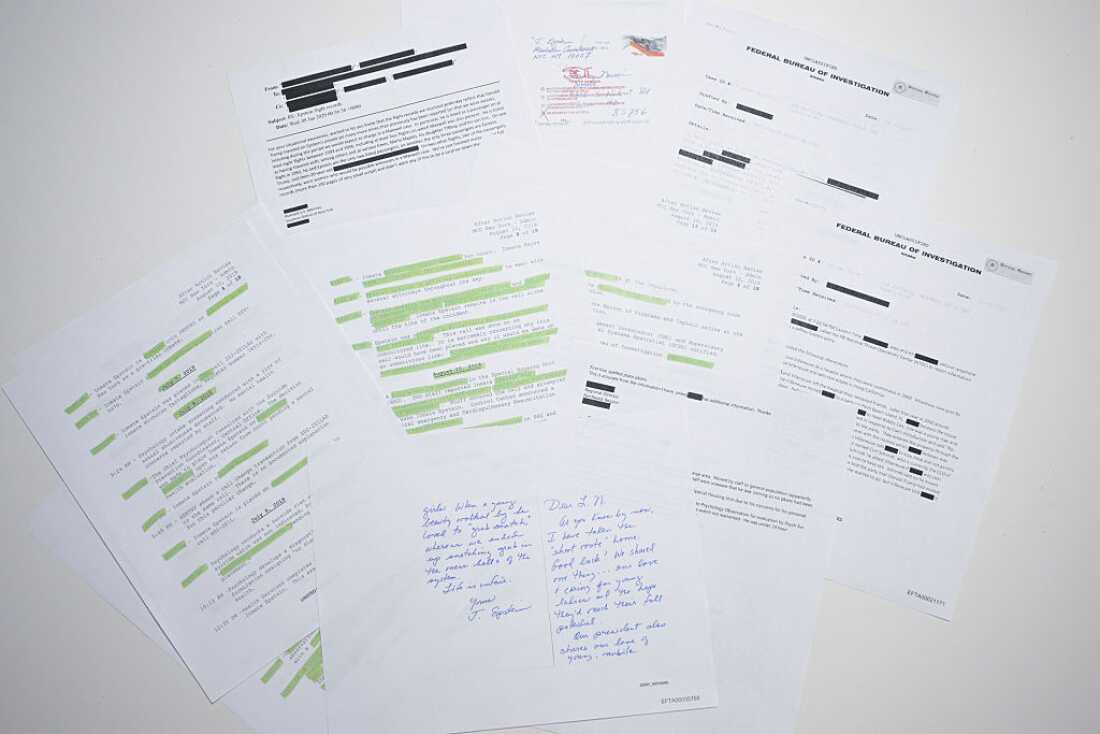
The public fixation on the Epstein files is not going away because it is bigger than one campaign cycle. It reflects a deeper institutional deficit. When records remain sealed, redacted, delayed, or released in fragments, the vacuum gets filled by partisan actors. Some will ask legitimate questions. Others will manufacture certainty from absence.
Government transparency is often discussed like a procedural issue, but politically it functions like oxygen. Without it, suspicion grows. Every unexplained delay becomes a plot. Every redaction becomes proof. Every evasive answer becomes campaign material. That is why officials who genuinely want to reduce misinformation should prioritize clear disclosure standards rather than simply denouncing bad claims after the fact.
Why This Matters Beyond One Scandal
The Epstein case has become a stress test for how democracies handle explosive records involving powerful people. If the public believes institutions protect the well-connected, trust erodes across the board. Courts, law enforcement agencies, legislatures, and media organizations all get pulled into the same legitimacy crisis.
For voters, the danger is twofold. First, real accountability can be diluted by partisan noise. Second, legitimate skepticism can be exploited by candidates who have little interest in actual transparency. The result is a politics where everyone claims to be exposing the truth, but few are willing to define what evidence would actually settle the question.
How to Read Epstein Files Ads Without Getting Played
The practical answer is not to ignore these ads. It is to interrogate them. A voter does not need a law degree to evaluate political messaging. They need a disciplined filter.
- Ask whether the ad proves misconduct or merely implies proximity.
- Separate criticism of a transparency vote from accusations about personal behavior.
- Watch for phrases like
linked to,connected with, ornamed in, which can carry heavy insinuation with limited proof. - Notice whether the ad mentions what the candidate actually did, or only what a party did.
- Be skeptical when the emotional soundtrack is doing more work than the evidence.
A good rule: if removing the music and visuals makes the claim feel weaker, the ad may be selling atmosphere rather than evidence.
The Campaign Risk Cuts Both Ways
There is also a strategic risk for campaigns that lean too hard on Epstein messaging. Voters can smell opportunism, especially when a grave case is treated like a branding exercise. If an ad overreaches, it can backfire by making the sponsor look reckless or cynical. Worse, it can muddy the underlying demand for accountability by turning a serious issue into just another partisan weapon.
That does not mean candidates should avoid the subject. If a candidate has taken a meaningful position on disclosure, oversight, or institutional accountability, that record is fair game. But the strongest version of the argument is not the loudest one. It is the most precise one.
The ethical campaign message is simple: show the record, explain the stakes, and let voters decide. The unethical one asks voters to confuse suspicion with proof.
The Bottom Line on Epstein Files Politics
The Epstein files are powerful campaign material because they tap into something real: public fury over elite impunity and secrecy. But real anger can still be manipulated. The difference between accountability and propaganda often comes down to whether a claim respects evidence boundaries.
For voters, the task is not to become numb. It is to become harder to game. Demand receipts. Reward specificity. Punish insinuation. And remember that the campaigns most eager to weaponize secrecy are not always the ones most committed to ending it.
The midterms will produce a flood of ads designed to make voters feel betrayed. Some of that feeling may be justified. But democracy depends on more than outrage. It depends on the public’s ability to tell the difference between a documented fact and a strategically useful shadow.
The information provided in this article is for general informational purposes only. While we strive for accuracy, we make no guarantees about the completeness or reliability of the content. Always verify important information through official or multiple sources before making decisions.