EU Cracks Down on Apple
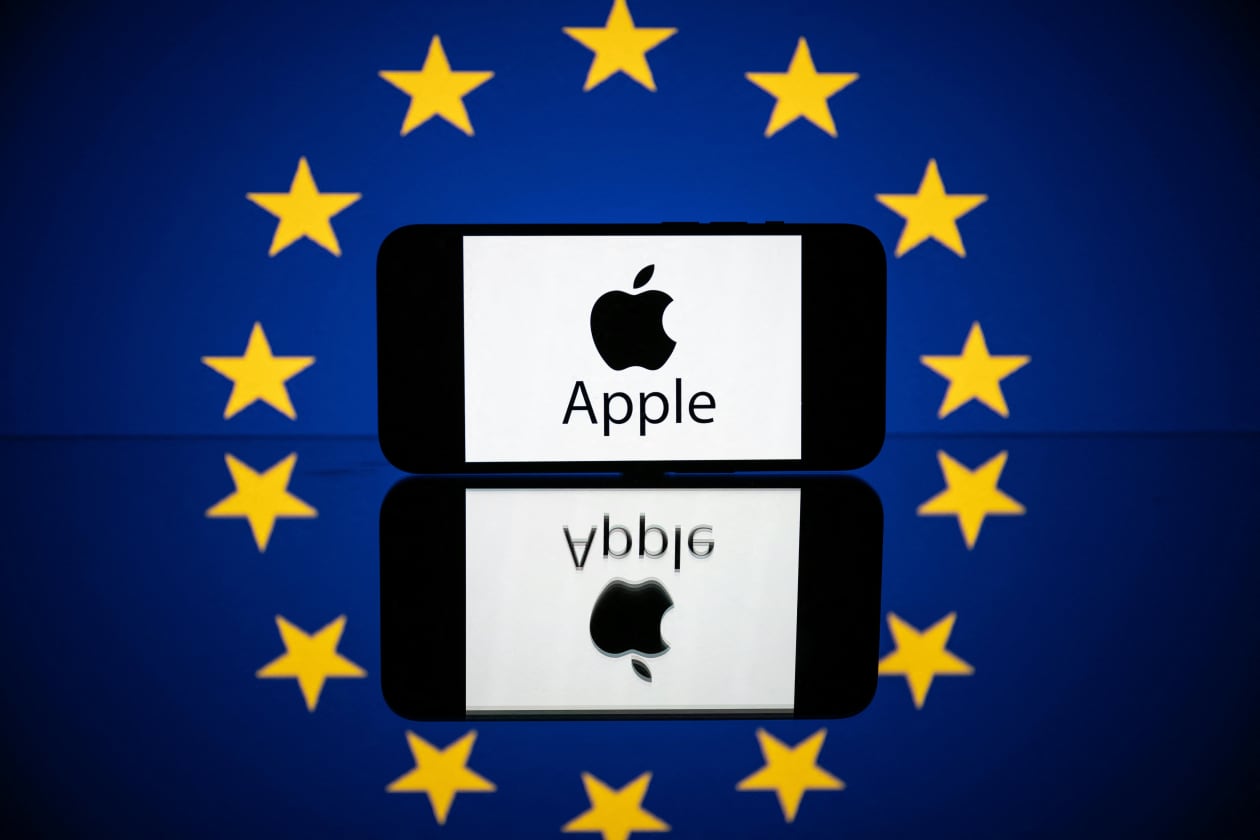
EU Cracks Down on Apple
Apple is once again staring down regulators, and this time the stakes are bigger than a fine or a headline. The European Union has spent years tightening the screws on Big Tech, but any fresh move against Apple lands at the center of a much larger fight: who controls the digital marketplace, who gets paid, and who sets the rules for software on the devices people carry everywhere. For developers, this is not abstract policy theater. It affects margins, distribution, and whether the App Store remains a toll road or becomes a more open platform. For Apple, the pressure is familiar, but the consequences are evolving. The company can still sell the story of security and seamlessness, but regulators are increasingly asking whether that story justifies total control.
- The EU is pushing harder on Apple’s platform power and business model.
- Developer fees, app distribution, and payment rules remain the core flashpoints.
- Apple’s compliance strategy may shape how open the iPhone ecosystem becomes.
- The outcome could influence app store policy well beyond Europe.
Why the EU Apple crackdown matters now
The current clash is bigger than one company or one region. The EU Apple crackdown sits at the intersection of competition policy, consumer choice, and the economics of digital platforms. Apple has long argued that its tightly controlled ecosystem protects users from malware, scams, and fragmented software experiences. Regulators are not rejecting that concern outright. They are asking a sharper question: does security require a system where Apple decides nearly everything?
That tension has only intensified as app stores have become essential infrastructure. For many businesses, app distribution is not a side channel. It is the product. If Apple controls discovery, payments, commissions, and access rules, then it effectively controls the commercial conditions for thousands of companies. That is why the EU is treating platform governance as a competition issue rather than a product-design preference.
Apple’s greatest strength is also its biggest regulatory liability: control. The more indispensable the platform becomes, the harder it is to justify keeping every gate locked.
What regulators are really challenging
At the center of the dispute are a few recurring issues that keep returning under different legal labels. The first is payment steering: whether developers can tell users about cheaper options outside Apple’s payment system. The second is alternative app distribution, meaning whether software can be installed through channels other than the App Store without Apple imposing punitive friction. The third is fees: even if Apple allows more openness, can it still charge enough to preserve its services business?
These are not isolated policy tweaks. Together, they determine whether Apple remains a closed ecosystem with some concessions, or becomes a platform where competition can actually function. The answer will likely depend on how aggressively the EU interprets existing rules and whether Apple tries to redesign compliance in ways that preserve practical control.
The fee problem
Apple’s commission structure has always been the lightning rod. For some developers, the fee is manageable. For others, especially high-volume services with thin margins, it is a direct hit to profitability. Critics argue that if Apple is merely providing a marketplace, its cut should reflect service costs, not monopoly rent. Apple counters that it funds platform security, tools, review processes, and global infrastructure.
Both claims contain truth. The issue is proportion. When a platform is the primary path to customers, even a seemingly small percentage becomes huge at scale. That is why fee debates are so hard to settle. A lower commission may help developers, but Apple will argue it weakens the economic model that funds the ecosystem.
Distribution and choice
Alternative distribution is even more consequential. If users can install apps outside Apple’s store, the company loses a major lever of control. That could benefit niche developers, regulated industries, and apps that do not fit neatly into Apple’s review rules. It could also create new security and support challenges, which Apple will use as evidence that its current model is the safer one.
The deeper issue is not whether people should be allowed to choose. It is whether the choice is real if Apple makes the non-App Store route cumbersome, confusing, or financially unattractive. Regulators are increasingly allergic to fake openness.
How the App Store model is being rewritten
The App Store has always been one of Apple’s most successful businesses because it sits at the junction of convenience and scarcity. Apple created a market, controlled access to it, and then charged for participation. That formula worked brilliantly for years because consumers valued simplicity and developers valued reach. But once a platform becomes dominant, the same formula attracts antitrust scrutiny.
What is changing now is not just the legal environment. It is the political mood. European regulators see themselves as correcting a structural imbalance in digital markets. They want users to have more freedom, developers to have more leverage, and competitors to have a path into a market Apple currently shapes from top to bottom.
That does not mean Apple is cornered. The company has options, and it has used them before. It can comply narrowly, then redesign the experience in ways that preserve its economic edge. It can appeal. It can negotiate. It can also frame itself as the only company taking security seriously enough to resist broad dismantling of the iPhone’s protections.
Apple’s likely playbook
- Offer technical compliance while preserving platform friction.
- Emphasize user security, privacy, and fraud prevention.
- Redefine fees as service charges rather than commissions.
- Push legal appeals to slow implementation and narrow precedent.
- Test public messaging that casts regulation as consumer risk.
That playbook is smart, but it may not be enough if the EU decides that meaningful competition requires more than cosmetic change. The next phase could force Apple to choose between protecting its margins and accepting a more open ecosystem.
Why developers are watching closely
For developers, this fight is not about ideology. It is about business survival. A platform that takes a large share of revenue, controls how products are discovered, and can reject updates without much explanation creates dependency. Dependence is expensive. It limits pricing power, discourages experimentation, and makes product planning hostage to policy shifts.
Smaller companies feel this most sharply. A major app can absorb compliance overhead, regional changes, and payment restructuring. A startup often cannot. If the EU forces Apple to loosen its grip, even incrementally, the effect could ripple through the app economy by lowering barriers to distribution and making monetization more flexible.
If the rules change, the winners will not just be the obvious competitors. The bigger win may be a healthier middle class of developers who can finally compete without paying permanent platform tax.
Still, there is a catch. More openness can also mean more fragmentation. Developers may need to support multiple payment flows, multiple installation paths, and more complex trust signals for users. That could increase operational overhead even as it reduces platform dependence.
What Apple may gain anyway
It sounds counterintuitive, but Apple could emerge stronger in some ways if it is forced into deeper compliance. A more transparent, rules-based ecosystem may reduce long-term legal uncertainty. It may also preserve enough of the platform’s premium feel to keep consumers loyal. If users continue to prefer Apple devices because the experience is still polished, the company can absorb some regulatory loss without losing the core business.
There is also a strategic upside in defining the new baseline. If Apple is compelled to open up, it can still influence how that openness works. It can build the compliance architecture, set the default user flows, and make sure security warnings and permissions are visible at every step. In other words, Apple does not have to win the old fight to shape the new one.
Security will stay front and center
Expect Apple to keep repeating a simple message: openness creates risk. That argument will resonate with some users, especially those who have never wanted to sideload apps or manage payment settings manually. It will also resonate with enterprises that value predictable device behavior. The question is whether security concerns justify total gatekeeping, or whether Apple can protect users without deciding every commercial condition.
The EU appears increasingly willing to say that both can be true: safety matters, but so does competition. That is the philosophical break Apple is struggling with.
What happens next
The near-term outcome will likely hinge on enforcement details. Regulators can demand changes, but the real test is whether those changes are practical, measurable, and sustained. If Apple introduces new rules that technically comply but still burden competitors, the conflict will continue. If the EU believes the company is dragging its feet, penalties could escalate and precedent could harden.
Longer term, this dispute could influence more than the iPhone. It could shape how governments around the world treat digital gatekeepers, from app stores to payment rails to device ecosystems. It may also accelerate a shift in which platform power is no longer judged by product polish alone, but by how freely others can build on top of it.
The bottom line on the EU Apple crackdown
The EU Apple crackdown is not just another regulatory skirmish. It is a test of whether the most valuable consumer tech ecosystem in the world can keep its closed model intact in an era that increasingly favors openness, portability, and competition. Apple has the resources, the legal muscle, and the brand power to fight hard. But the EU has patience, policy tools, and a clear target.
For users, the best-case outcome could be more choice without sacrificing too much security. For developers, it could mean better economics and less dependency. For Apple, it may mean learning that platform dominance in the 2020s comes with a new burden: proving that control is a feature, not an abuse.
The next move will tell us whether Apple is negotiating the terms of a new ecosystem or merely delaying a deeper transformation.
The information provided in this article is for general informational purposes only. While we strive for accuracy, we make no guarantees about the completeness or reliability of the content. Always verify important information through official or multiple sources before making decisions.