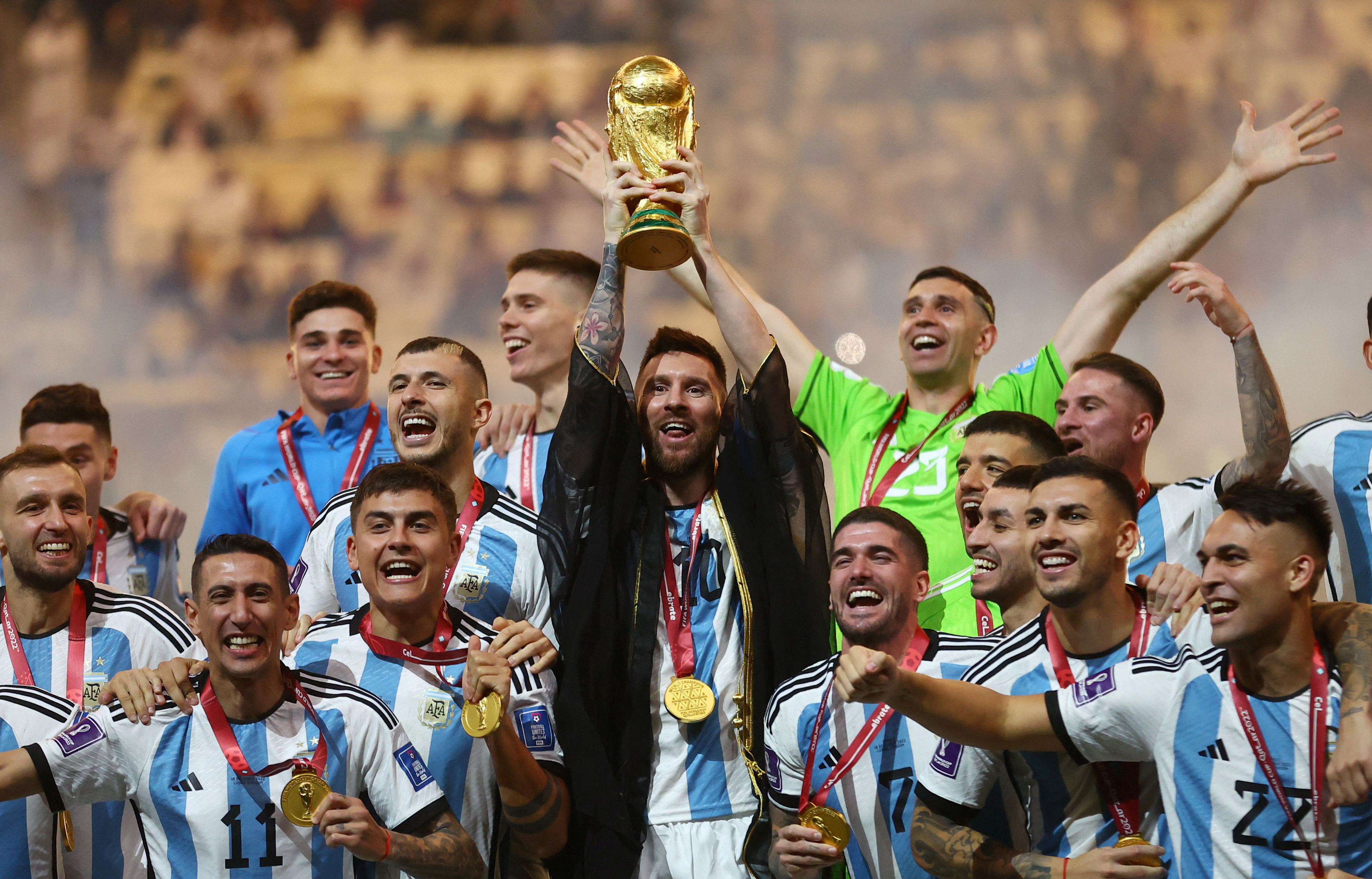
France and Morocco Rewrite the World Cup Playbook
France and Morocco Rewrite the World Cup Playbook
The France Morocco World Cup conversation is no longer just about a match. It has become a pressure test for modern football: how nations build identity, how diaspora talent changes the game, and how the sport keeps colliding with politics, memory, and ambition. France arrives with the machinery of a perennial power. Morocco arrives with the edge of a disruptor that has already forced the sport to rethink what “underdog” even means. That clash is bigger than a bracket line. It is a referendum on a global game that now runs on scouting networks, dual-nationality pipelines, and fan bases spread across continents. If you still think this is simply a soccer story, you are missing the point.
- France remains the model for elite depth, but its system is increasingly shaped by global talent flows.
- Morocco has turned disciplined organization and identity into a competitive weapon.
- The France Morocco World Cup dynamic reflects a broader shift in how national teams are built and marketed.
- This matchup matters because it sits at the intersection of sport, geopolitics, and diaspora culture.
- The next phase of international football will reward teams that combine structure, scouting, and narrative power.
The France Morocco World Cup rivalry is bigger than one bracket
France and Morocco are not just two teams with shared history and high-end athletes. They are case studies in how international football has evolved. France, with its deep club academy ecosystem and steady supply of elite players, has long embodied scale. Morocco, by contrast, has become the symbol of precision: a team that can convert cohesion into upset potential, and identity into energy. The modern France Morocco World Cup story matters because it reveals where the sport is heading. National teams are no longer built only from domestic pipelines. They are assembled through scouting, migration, family history, and strategic federation planning. That reality creates more competitive parity, but it also raises new questions about belonging, authenticity, and what fans are actually cheering for when the anthem plays.
France’s advantage is depth, but depth is no longer enough
France remains terrifying because it can absorb injuries, tactical changes, and pressure without collapsing. That is the upside of a player pool fed by some of the best development structures in the world. But the modern game has made even great depth vulnerable. Opponents are better prepared, data is more advanced, and the margin for casual dominance has disappeared. France has to do more than stack talent. It must coordinate it.
Why elite talent alone does not guarantee control
At this level, raw quality is table stakes. The difference comes from synchronization: how quickly a team can press, recover shape, and create repeatable attacking patterns. France often has the athletes to win duels, but against a disciplined opponent, that becomes only one layer of the puzzle. The real test is whether the team can impose a structure that survives tension. In the France Morocco World Cup frame, that matters because Morocco is built to punish fragmentation. If France gets stretched, the game gets closer. If the game gets closer, variance enters. And once variance enters, every elite team becomes mortal.
Modern international football is not won by the most famous names. It is won by the side that can turn talent into a system under stress.
Morocco has turned identity into competitive architecture
Morocco’s rise has been one of the clearest signs that football’s old hierarchy is loosening. The team has used tactical discipline, collective belief, and a sophisticated sense of national purpose to punch above its historical weight. That is not sentimental fluff. It is strategy. Cohesion reduces chaos, and chaos is where favorites are most vulnerable.
The scouting story behind the breakthrough
One of Morocco’s biggest strengths is how it has leveraged dual-nationality talent without losing coherence. The federation’s ability to identify players across Europe and integrate them into a shared football identity has become a competitive advantage. This is not just roster building. It is brand building, governance, and long-term planning rolled together. The France Morocco World Cup storyline becomes especially fascinating here because both countries draw from the same global talent ecosystem, yet they use it differently. France has tradition and scale. Morocco has urgency and clarity of purpose.
That difference can be decisive when a match gets tight. Morocco does not need to dominate possession for long stretches. It needs to stay organized, survive pressure, and strike with purpose. Against a team like France, that is exactly the kind of game plan that can make the favorite uncomfortable.
The geopolitics behind the France Morocco World Cup narrative
Football is never only football when former colonial ties, migration, and diaspora identity are in the frame. France and Morocco share a complicated historical relationship that gives every meeting extra weight. Supporters on both sides often carry layered allegiances: birthplace, heritage, and current national identity can all coexist in the same fan. That makes the atmosphere richer, but also more charged.
This is why the France Morocco World Cup matchup resonates far beyond sports pages. It becomes a proxy for broader conversations about integration, representation, and who gets to claim success in a globalized system. When a player born in Europe chooses Morocco, or when a French squad reflects the demographic reality of modern France, the pitch becomes a stage for debates that predate kickoff by decades. That does not diminish the game. It deepens it.
What tactics decide a matchup like this
At first glance, the tactical formula looks simple. France wants to control transitions, lean on individual brilliance, and exploit space. Morocco wants to compress the field, deny rhythm, and keep the game within reach. But the execution details matter more than the headline plan.
Key tactical pressure points
- Transition defense: France cannot afford loose possession in central areas.
- Set pieces: Morocco can turn dead-ball situations into leverage.
- Fullback positioning: Overcommitting wide can open dangerous counters.
- Midfield spacing: The team that controls second balls often controls momentum.
- Game state management: The first goal can radically alter the logic of the match.
These are not abstract concepts. They are the difference between a routine win and a shock result. In a high-stakes France Morocco World Cup contest, the favorite usually loses control not because it lacks quality, but because it loses patience. The underdog’s job is to turn that impatience into an error.
Why this matchup matters to the business of football
There is also a commercial layer here that cannot be ignored. International football is a content engine, and story-rich matchups travel. France versus Morocco pulls in audiences across Europe, North Africa, and the wider diaspora. That reach matters to broadcasters, sponsors, federations, and clubs watching future talent pathways. The more the sport becomes globally distributed, the more national-team rivalries become products as much as competitions.
For federations, this changes the incentives. Investment in youth development, diaspora engagement, and coaching infrastructure is no longer just a sporting decision. It is a strategic one. The nations that understand this will keep closing the gap. The ones that do not will keep calling every upset a miracle when it is really just preparation.
The smartest football federations are behaving less like custodians of tradition and more like operators in a global talent market.
The France Morocco World Cup future could reset expectations
If this rivalry keeps producing high-drama, high-quality football, it will influence how analysts and federations talk about international tournaments for years. The old binary of giant versus minnow is fading. What replaces it is more interesting: a spectrum of organizational maturity, tactical intelligence, and talent conversion efficiency. Morocco has already shown that a team can be smaller on paper and larger in consequence. France has shown that even the deepest talent pool can be challenged by a team that knows exactly who it is.
That is why the France Morocco World Cup narrative feels durable. It is not built on novelty alone. It is built on structural change. Global football is increasingly about who can coordinate across borders, not just recruit within them. It is about which federations can turn complexity into chemistry. And it is about which teams can withstand the emotional and tactical pressure of representing more than themselves.
The bottom line
This is the kind of matchup that explains why international football still matters. France brings the power, the pedigree, and the expectation. Morocco brings discipline, identity, and the refusal to stay in the script. Together, they reveal a sport in transition. The next great teams will not merely be the ones with the best players. They will be the ones that understand systems, stories, and the stakes of playing for something bigger than the scoreboard.
That is the real lesson of the France Morocco World Cup moment: the game has changed, and the teams best adapted to that change are the ones most likely to define the era ahead.
The information provided in this article is for general informational purposes only. While we strive for accuracy, we make no guarantees about the completeness or reliability of the content. Always verify important information through official or multiple sources before making decisions.