Gardner Plans a Big Bet on Entertainment
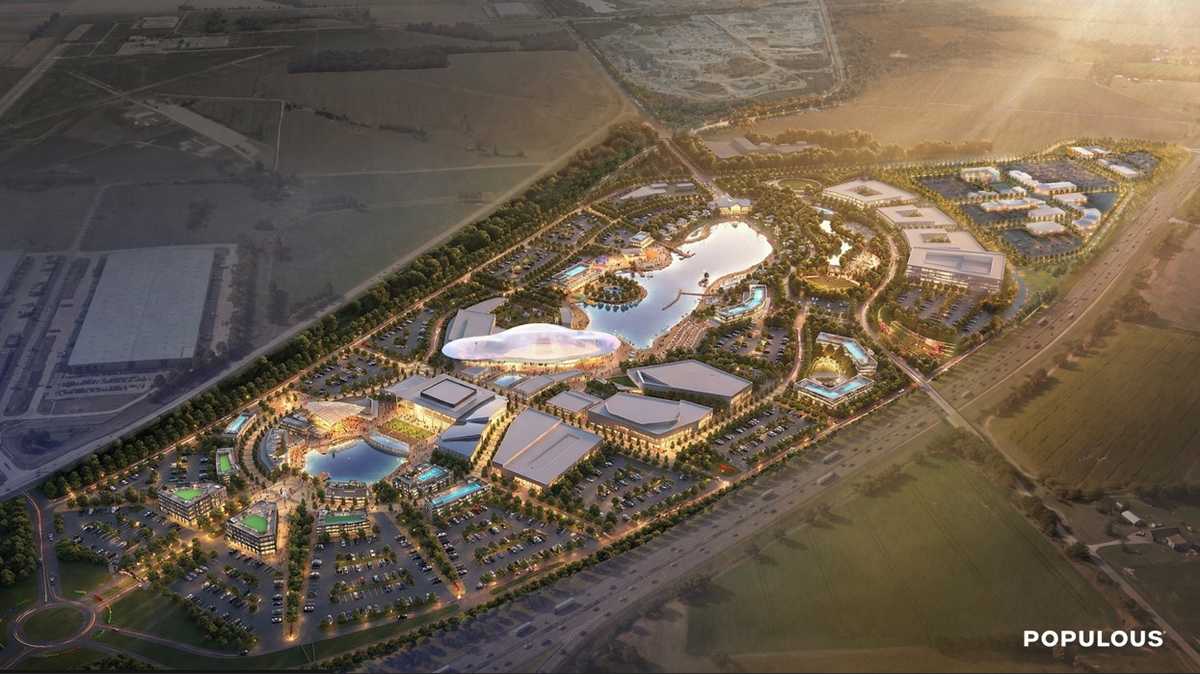
Gardner Plans a Big Bet on Entertainment
Gardner, Kansas may be on the verge of a familiar but high-stakes suburban gamble: build a destination, and the dollars will follow. A proposed entertainment venue near the city is more than a local zoning story. It is a test of whether growing metro-edge communities can turn land, traffic, and ambition into a durable economic engine. For residents, the promise is obvious: more options, more jobs, and fewer reasons to drive across the region for a night out. For skeptics, the questions come fast: who pays, who benefits, and what happens when the novelty wears off? The Gardner entertainment venue proposal sits right at that intersection, where economic development meets hard reality. And in a market where every new project claims to be transformative, the details matter more than the pitch.
- The proposed Gardner entertainment venue could become a regional draw if demand, access, and financing line up.
- Local leaders will have to weigh tax revenue and jobs against traffic, infrastructure strain, and long-term public costs.
- The project reflects a broader trend: suburban cities trying to capture leisure spending before it leaks to larger metro hubs.
- Success will depend less on hype and more on operational discipline, tenant mix, and whether the venue feels worth the trip.
Why the Gardner entertainment venue proposal matters
Projects like this are never just about a building. They are about where people choose to spend time, money, and attention. The Gardner entertainment venue proposal signals that the city wants a bigger role in that equation. If successful, the venue could pull in visitors from Johnson County and beyond, creating spillover business for nearby restaurants, hotels, and service providers. That is the upside city officials and developers usually lean on: one project can anchor an ecosystem.
But entertainment venues are tricky assets. They are expensive to build, costly to operate, and highly sensitive to consumer habits. A new venue can open strong and still struggle if it cannot stay fresh, price competitively, or handle peak traffic efficiently. That is why the Gardner proposal deserves scrutiny beyond the headline. The real question is whether it can generate repeat traffic, not just opening-week buzz.
The most important metric for a venue like this is not how impressive it looks on renderings. It is whether families, couples, and groups keep coming back after the first visit.
What makes this project strategically interesting
Gardner is not trying to compete with Kansas City downtown for sheer scale. Instead, this kind of project aims at convenience and local capture. That is a smart move if the city can position the venue as a regional option for dining, recreation, and events without requiring a long drive into the core. Suburban entertainment districts have become a familiar development pattern for one reason: people want experiences that are easier to reach, easier to park at, and easier to combine with everyday life.
This is where the Gardner entertainment venue proposal becomes more than a real estate story. It is a bet on consumer behavior. If the venue offers enough variety, it could become a magnet for birthday parties, corporate outings, family nights, and weekend traffic. If it is too narrow, too expensive, or too dependent on novelty, it risks becoming another underused asset that looks better in a render than in a revenue report.
The suburban experience economy is real
Cities across the country are chasing the same formula: retail plus food plus entertainment plus parking. The idea is to keep spending local and reduce leakage to larger commercial centers. Gardner is clearly thinking along those lines. The advantage is that this model can create a visible, tax-generating hub relatively quickly compared with heavier industrial development. The drawback is that it depends on consumers having the time, money, and desire to participate regularly.
That balance matters because entertainment demand is discretionary. When budgets tighten, people cut back on outings before they cut back on essentials. Any project built around leisure has to survive those cycles.
Gardner entertainment venue proposal and the local economy
Economic development supporters often point to three benefits: jobs, tax revenue, and downstream spending. In the short term, construction creates activity and hiring. In the longer term, an entertainment venue can support roles in operations, food service, security, maintenance, and management. For a city growing near a major metro area, that can be meaningful.
Yet job counts can be misleading if the positions are mostly part-time or seasonal. The more important measure is whether the project supports stable employment and creates enough secondary business to justify the infrastructure needed to serve it. That includes roads, utility capacity, stormwater planning, and emergency access. Public officials should ask a simple question: does the return justify the support required to make the project function?
Then there is the issue of tax base expansion. If the venue attracts outside visitors, it can generate sales tax and possibly encourage adjacent development. But if it mainly reshuffles spending already happening nearby, the city gets less net gain than the marketing suggests. That is the classic trap with destination projects: they can appear like growth while merely redistributing local dollars.
What city leaders should be watching
- Traffic flow: Can nearby roads absorb event surges without creating daily congestion?
- Parking: Is the site designed for peak demand, not just average use?
- Tenant mix: Does the venue include multiple reasons to visit, or just one activity?
- Operating model: Are the economics resilient enough to survive slower periods?
- Community fit: Will residents see it as an asset or a burden?
These are not abstract concerns. They determine whether a project becomes an anchor or a warning sign.
Why this matters for Kansas suburbs
Suburban cities are increasingly being asked to do two things at once: preserve their identity and become more economically self-sufficient. That tension is driving projects like the one proposed in Gardner. Residents want local amenities without the downsides of overdevelopment. Officials want growth without losing control of quality of life. Developers want enough demand to make the financing work.
The Gardner entertainment venue proposal sits in the middle of that triangle. If it succeeds, it could show that smaller metro-edge cities can build destinations that feel intentional rather than generic. If it fails, it could reinforce the familiar criticism that these developments chase trend cycles instead of durable demand.
Suburban entertainment projects succeed when they solve a real habit: where people go on a Friday night, not just what a site plan can physically accommodate.
How these projects usually win or lose
The winners in this category tend to do a few things well. They understand their audience. They make arrival easy. They offer enough variety to support repeat visits. They also avoid looking like a one-trick attraction that depends on a single novelty to stay relevant. In practical terms, that means thoughtful design, flexible programming, and a tenant mix that can evolve.
The losers often share the same mistakes: overpromising attendance, underestimating competition, and building too much reliance into a single concept. Once that happens, the city can be left with underwhelming foot traffic and a project that needs constant promotional support just to stay visible.
For Gardner, the lesson is straightforward. A strong concept is not enough. The city and any partners involved will need a plan for access, marketing, and long-term adaptability. That is especially true in a region where consumers already have options and time is a competitive advantage.
Pro tips for evaluating the Gardner entertainment venue proposal
If you are a resident, business owner, or local stakeholder, there are a few ways to cut through the hype:
- Look beyond the renderings and ask about projected attendance assumptions.
- Check whether the venue is designed for year-round use or only peak-season traffic.
- Ask how the project affects nearby roads during major events.
- Consider whether the venue complements existing businesses or competes directly with them.
- Watch for contingency planning if construction costs or financing terms change.
Those questions are not anti-development. They are what smart development looks like. The best projects survive scrutiny because they are built on realistic assumptions, not just upbeat presentations.
The bigger picture for Gardner’s growth
Every city wants momentum, but not every project creates it. The proposed entertainment venue could help Gardner define itself as more than a bedroom community if it is executed well. That would matter because cities that offer places to gather tend to have an easier time retaining residents, attracting visitors, and building civic identity.
Still, the city should not confuse motion with progress. A flashy venue can create headlines quickly, but only consistent use creates value over time. The next steps will reveal whether this is a serious piece of place-making or just another attempt to chase the suburban entertainment trend.
For now, the Gardner entertainment venue proposal is worth watching because it captures a bigger question facing many fast-growing communities: how do you build something that people actually want to use, not just something that looks good on paper?
If the answer is thoughtful planning, disciplined economics, and a clear understanding of local demand, Gardner could be onto something. If not, the city may be left with a reminder that entertainment is easy to promise and hard to sustain.
The information provided in this article is for general informational purposes only. While we strive for accuracy, we make no guarantees about the completeness or reliability of the content. Always verify important information through official or multiple sources before making decisions.