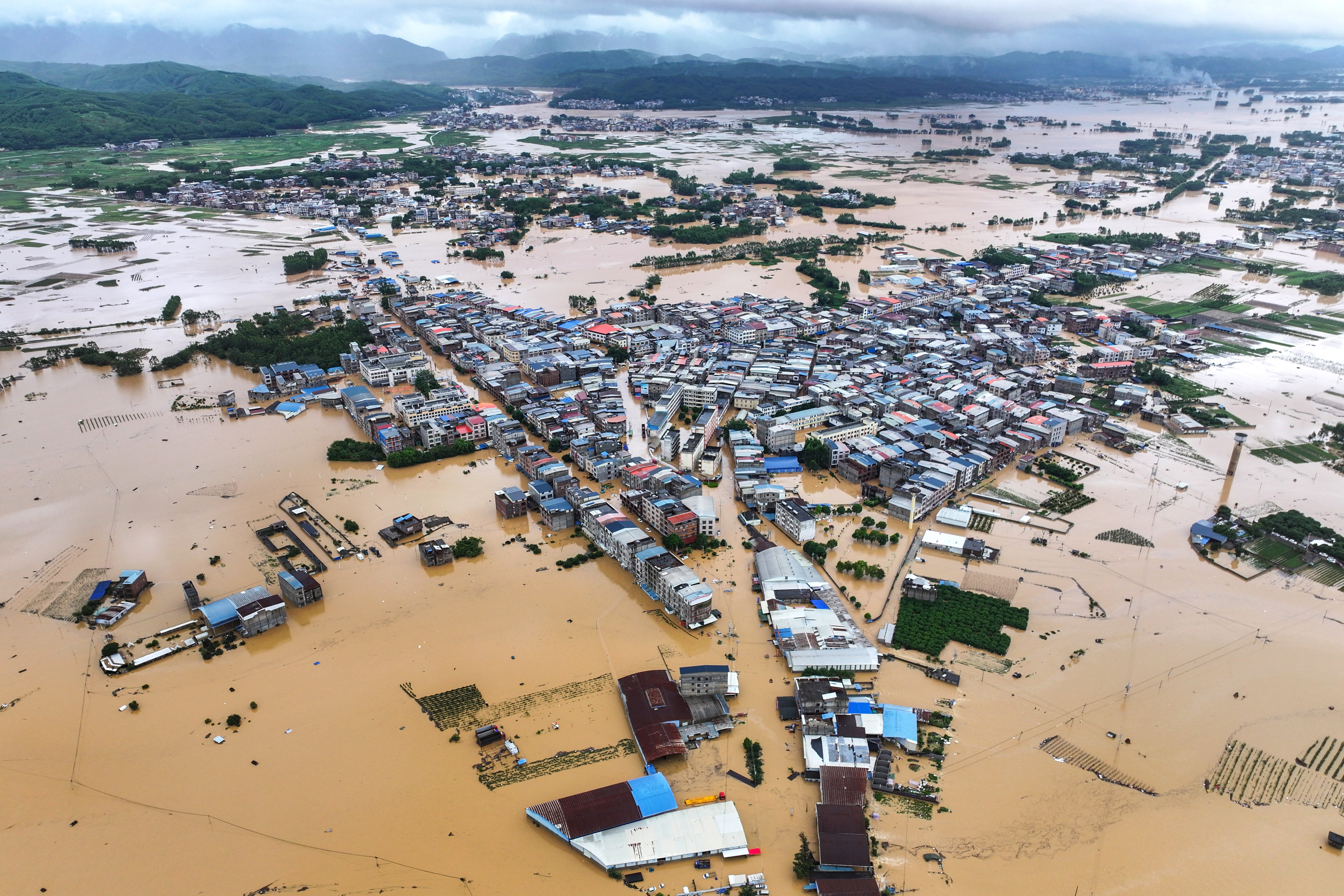
Hawaii Braces for Tropical Storm Moke
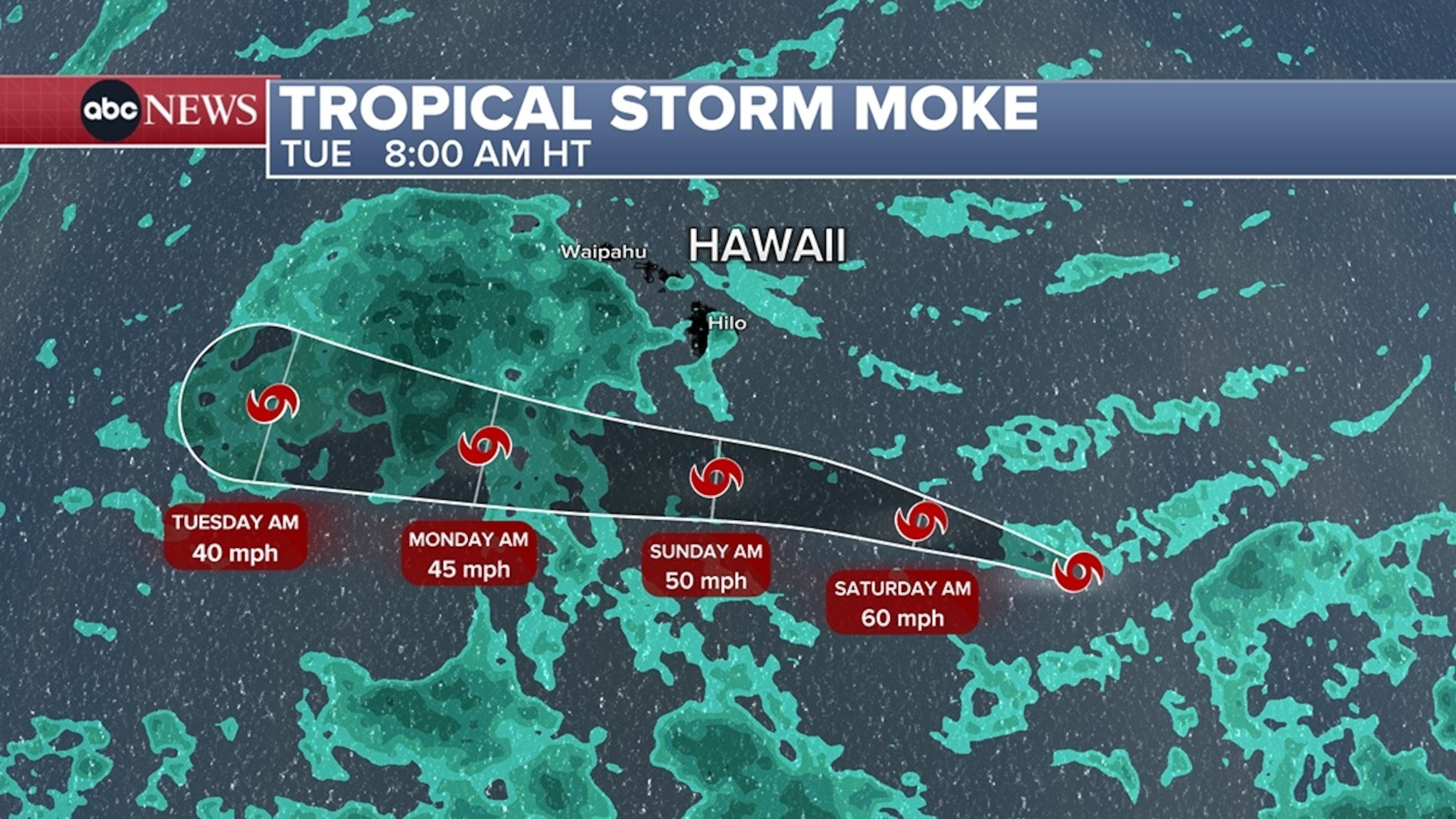
Hawaii Braces for Tropical Storm Moke
Tropical Storm Moke is a reminder that weather disasters do not need to become hurricanes to break infrastructure, scramble travel, and test emergency planning. For Hawaii, where isolation magnifies every disruption, even a tropical storm can trigger cascading problems: flash flooding, downed power lines, transportation delays, and anxiety about how quickly help can reach the islands if conditions worsen. The real story is not just the storm track. It is the pressure test. When a system like Moke moves toward the islands, residents, businesses, and local officials have to make high-stakes decisions fast, often with imperfect forecasts and little room for error. That is why tropical storm Moke Hawaii matters beyond the weather map: it is a live case study in resilience, communication, and the fragile edge between readiness and chaos.
- Moke is a test of Hawaii’s emergency response, not just a weather event.
- Even without hurricane force, tropical systems can cause severe flooding and outages.
- Island geography makes logistics, evacuation, and recovery harder than on the mainland.
- Preparedness now can reduce the cost of disruption later.
- The storm highlights how climate volatility is raising the stakes for coastal communities.
Why tropical storm Moke Hawaii is a bigger deal than the category suggests
People often hear “tropical storm” and mentally file it below the level of serious threat. That is a mistake, especially in Hawaii. The islands face a unique combination of steep terrain, fast runoff, narrow evacuation routes, and dependence on a limited set of ports, roads, and power infrastructure. A storm does not need to become a major hurricane to trigger landslides, flooding, and prolonged outages. The danger is amplified by geography: water has fewer places to go, supply chains have fewer fallback options, and a localized failure can ripple across an entire island.
For residents, this is the part that matters most: preparedness is not about overreacting. It is about recognizing how quickly routine can break down. If roads flood, if flights are canceled, if port operations slow, or if power is interrupted, the consequences stack up fast. That is why emergency managers treat these systems as serious events long before they reach land.
The meteorology behind the threat
Tropical storms are fueled by warm ocean water and organized convection, which can intensify quickly when conditions align. The forecast challenge is that small shifts in track or wind shear can dramatically change impacts on individual islands. A storm passing just offshore can still unleash heavy rain bands and dangerous surf. That means the footprint of risk can be wider than the cone on a forecast graphic suggests.
Rain may be the main problem
Hawaii’s topography turns rainfall into a fast-moving hazard. Steep valleys channel water downhill, and saturated ground can fail with little warning. Flash flooding is often the most immediate concern because it threatens homes, roads, and utilities even when sustained winds remain below hurricane thresholds. In other words, the storm’s name matters less than the rain rate.
Wind still matters
Even moderate tropical-storm-force winds can bring down trees, damage roofs, and topple power lines. In an island environment, restoring service is not a quick relay of trucks from neighboring states. Crews, parts, and equipment have to be staged in advance. If debris blocks roads or airports face delays, recovery slows further. That is why the first 24 hours are so important.
When an island system loses power, the problem is rarely just comfort. It becomes a communications issue, a public safety issue, and a supply chain issue all at once.
What residents should do now
Good storm prep does not need to be dramatic. It needs to be methodical. The smartest response is to remove avoidable friction before conditions deteriorate. That means charging devices, checking supplies, and making decisions before the last minute when stores are crowded and roads are already risky.
- Charge phones, batteries, and backup power banks.
- Store enough water and shelf-stable food for several days.
- Secure outdoor items that can become windborne debris.
- Review evacuation routes and identify higher ground.
- Keep medication, documents, and essentials in one grab-and-go bag.
For households with children, older adults, or medically vulnerable family members, planning should go a step further. Make a simple check-in system. Know who needs extra help if the power goes out. If someone depends on refrigeration for medication or oxygen support, contingency planning is not optional.
Pro tip: prepare for outages before the storm arrives
Many people wait until the wind picks up to think about lighting, food, and communications. By then, stores may be sold out and internet updates may become unreliable. A better approach is to assume the outage arrives before the worst weather. Keep a flashlight, radio, extra batteries, and paper copies of critical phone numbers ready to go.
That same logic applies to vehicles. Fill the gas tank early if you may need to evacuate or move supplies. Do not rely on a last-minute errand run after rain bands intensify.
Why Hawaii’s infrastructure feels every storm harder
Hawaii’s infrastructure is resilient in many ways, but it is also constrained by geography and scale. There are fewer redundant routes than on the mainland. Ports are lifelines. Airports are lifelines. Undersea communications and power systems are lifelines. When storms disrupt one node, the effect can quickly reach everything else.
This is where the phrase tropical storm Moke Hawaii becomes more than a headline. It becomes shorthand for the vulnerability of isolated systems under stress. Businesses that depend on just-in-time deliveries may face shortages. Schools may close. Tourism operations may have to cancel tours or redirect guests. Local governments must balance caution with continuity, often while new forecast data keeps arriving.
The deeper problem is that climate change is making weather volatility harder to dismiss as an outlier. Storms do not have to be record-breaking to be disruptive. They simply have to intersect with the weakest parts of a system at the wrong time.
How businesses should think about the disruption
For businesses in Hawaii, tropical storms are not just a safety issue. They are an operational risk event. A single day of disruption can affect inventory, staffing, deliveries, and customer confidence. Hospitality, retail, construction, and logistics firms are especially exposed because they rely on physical movement and predictable schedules.
Smart operators should run a short storm checklist:
- Back up critical files and accounting data.
- Confirm remote work plans for essential staff.
- Protect inventory and move sensitive equipment higher.
- Communicate closures or delayed hours early and clearly.
- Document damages immediately for insurance and recovery.
Businesses that wait for the storm to peak before deciding what to do are usually the ones that pay more later. The best response is boring, repetitive, and disciplined. That is exactly what good resilience looks like.
The forecasting challenge is part science, part communication
Forecast models have improved dramatically, but uncertainty still matters. A storm’s path, intensity, and rainfall distribution can change in ways that alter the local impact. That creates a communication problem as much as a meteorological one. If people hear too many false alarms, they stop taking warnings seriously. If warnings come too late, the damage is already underway.
That is why the messaging around storms like Moke must be precise. Officials need to explain not only what may happen, but what could happen if the track shifts. The public, meanwhile, should treat forecasts as planning tools rather than perfect predictions.
The most dangerous mistake during tropical weather is treating uncertainty as reassurance. In practice, uncertainty means preparing for multiple bad outcomes, not waiting for certainty to arrive.
What this storm says about the future
Tropical Storm Moke is not just a short-term weather event. It is part of a broader pattern that coastal and island communities are confronting more often: stronger anxiety around storms, tighter scrutiny of infrastructure, and greater pressure on emergency systems to perform under stress. The lesson is not that every storm becomes catastrophic. The lesson is that modern life has become less forgiving of disruption.
For Hawaii, that means investments in drainage, backup power, resilient communications, and public readiness matter more than ever. It also means residents and visitors need a healthier respect for seemingly “smaller” storms. A tropical system can be disruptive long before it becomes dangerous by national headlines standards.
If Moke passes with limited damage, that still does not make the threat trivial. It means the planning worked, the warnings were taken seriously, and the islands avoided a sharper hit. In storm management, that is the best outcome you can hope for: a near miss that reveals the stakes without becoming a disaster.
The bottom line
Tropical storm Moke Hawaii is a test of readiness, not just radar. The storm’s true significance lies in how quickly it can expose vulnerabilities in transportation, power, communications, and daily life across the islands. For residents, the right move is to prepare early and stay flexible. For businesses and officials, it is to assume disruption is possible and plan accordingly. Hawaii has seen enough severe weather to know this already: when the forecast turns, the margin for error disappears fast.
The information provided in this article is for general informational purposes only. While we strive for accuracy, we make no guarantees about the completeness or reliability of the content. Always verify important information through official or multiple sources before making decisions.