Hormuz Blockade Threat Tests US Resolve
Hormuz Blockade Threat Tests US Resolve
A Hormuz blockade is the kind of crisis that can turn a regional confrontation into a global economic shock within hours. That is why remarks from US CENTCOM downplaying the likelihood of a full closure matter far beyond military circles. The Strait of Hormuz is not just another narrow waterway. It is the pressure point through which a major share of the world’s seaborne oil and LNG moves, and it sits inside a security environment shaped by Iran, Gulf states, US naval power, and jittery markets. For governments, insurers, energy traders, and ordinary consumers, the question is not only whether Iran can block the strait. It is whether the perception of that threat is enough to raise prices, disrupt shipping, and force Washington into a harder posture.
US CENTCOMappears to view a sustainedHormuz blockadeas highly unlikely, but not strategically irrelevant.- The
Strait of Hormuzremains one of the most important energy chokepoints on the planet. - Even limited harassment of tankers can spike insurance costs and rattle oil markets.
- Iran’s leverage may come less from closing the strait and more from making transit feel unsafe.
- The real test is whether US deterrence can prevent escalation without making it inevitable.
Why the Hormuz blockade warning still matters
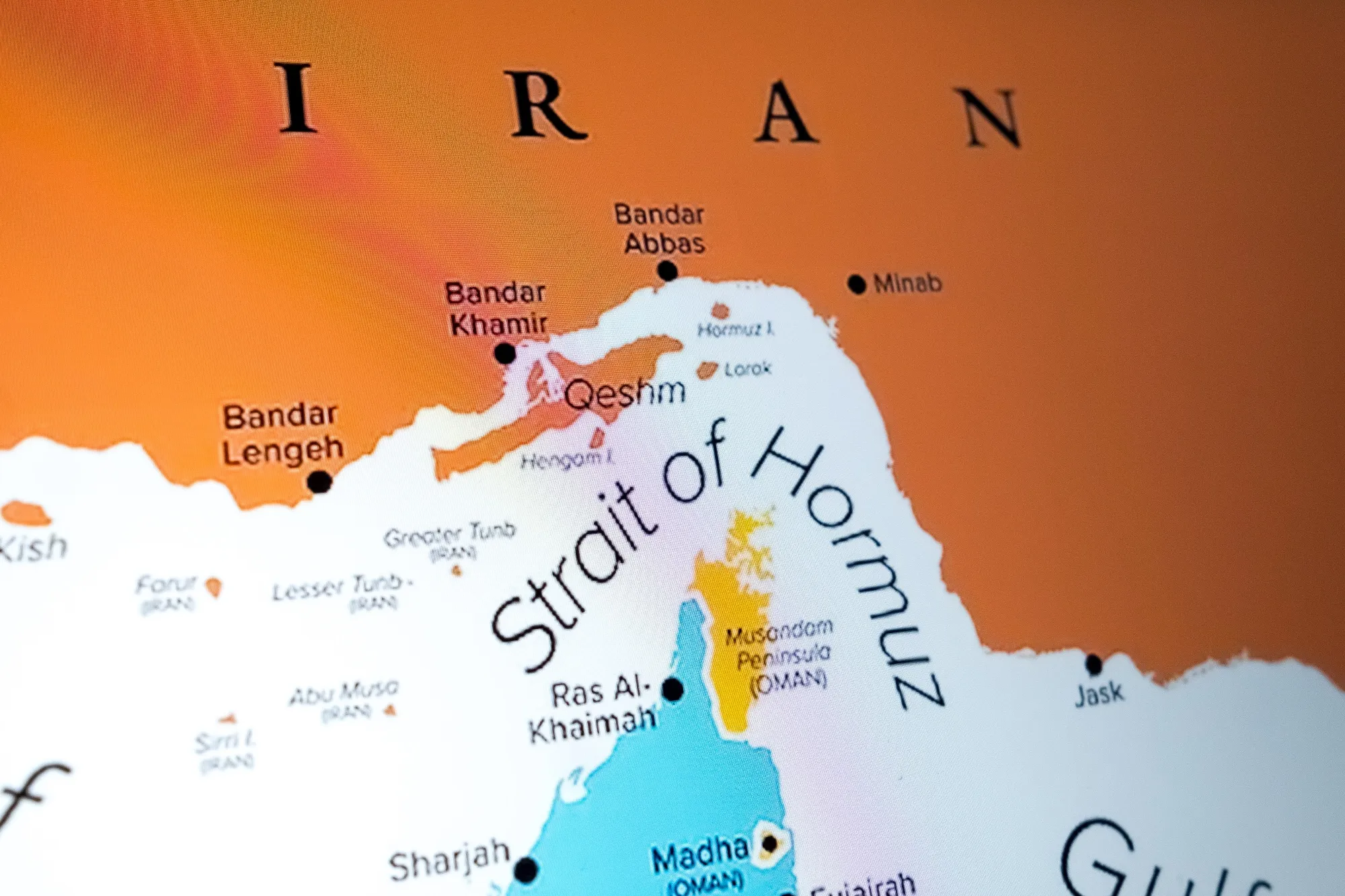
The most tempting reaction to a military official calling a blockade unlikely is relief. That would be too simple. In strategic terms, unlikely does not mean impossible, and impossible is not the standard markets use when pricing risk. The Strait of Hormuz is a narrow maritime corridor between Iran and Oman, and its geography gives Tehran a powerful talking point during periods of confrontation. A credible threat to disrupt traffic can be enough to change behavior before a single ship is stopped.
That is the core issue. A full Hormuz blockade would be an act with enormous consequences for Iran as well as its adversaries. It would risk a direct military response, alienate oil-consuming states, and threaten the export routes Iran itself relies on. But a gray-zone campaign – harassment, seizures, drone activity, mines, cyber interference, or ambiguous warnings – can create pressure while preserving deniability.
“The danger is not only a dramatic closure of the strait. The danger is a slow-motion risk premium that creeps into every barrel, shipment, and insurance contract tied to Gulf energy.”
That is why CENTCOM messaging is part of deterrence. By signaling confidence, the US is trying to reassure partners and markets while warning Iran that disruption would be met with readiness rather than panic.
The strategic math behind a Hormuz blockade
A true blockade is not a press release. It requires sustained enforcement. Iran would need to prevent commercial vessels from moving through a heavily monitored maritime space while facing US and allied naval forces, air surveillance, regional bases, and international pressure. That is a high-risk operation with uncertain payoff.
Iran has tools, but not a free hand
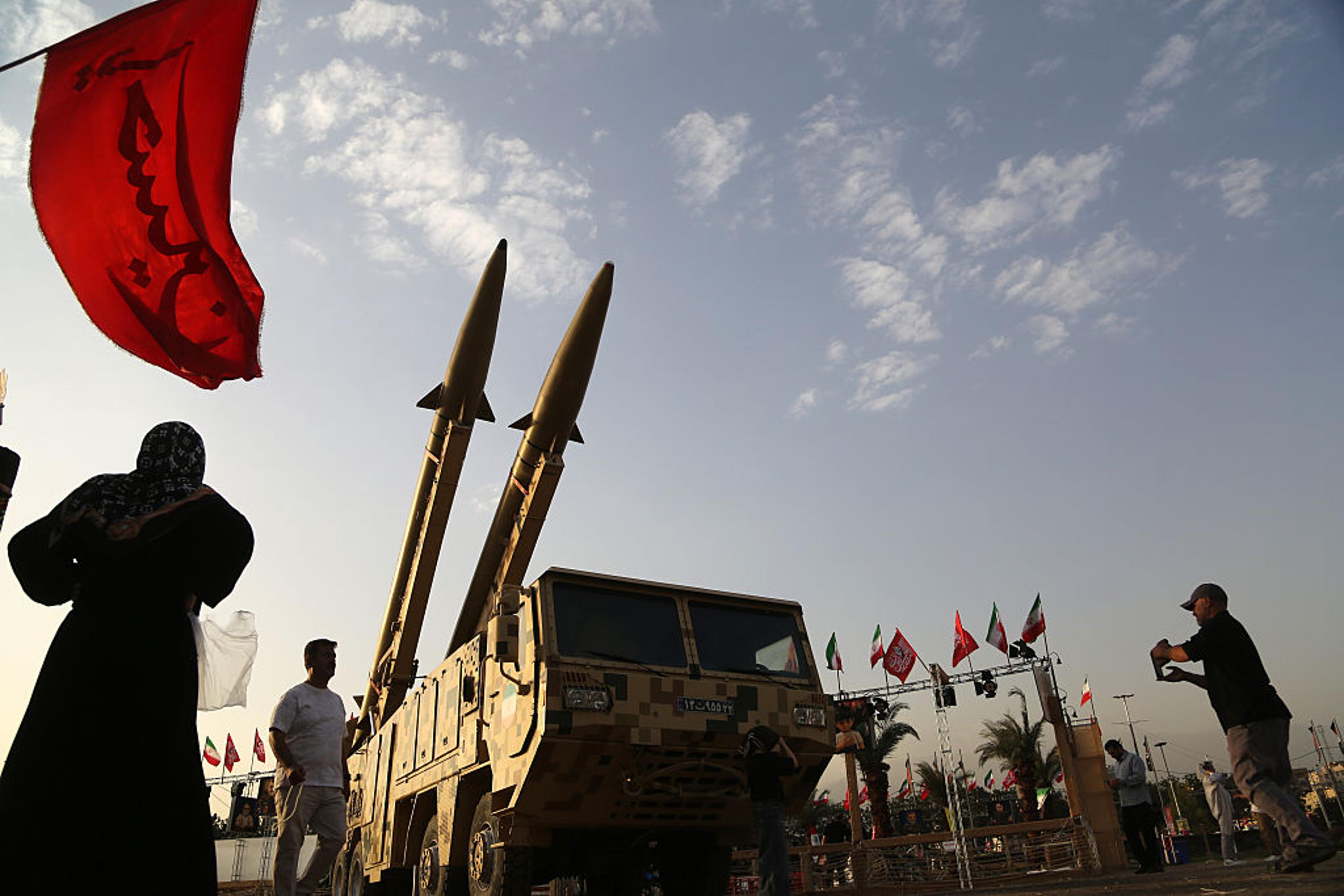
Iran’s military and the IRGC have asymmetric capabilities that are well suited to harassment. Fast attack boats, coastal missiles, drones, naval mines, and boarding operations can complicate shipping. These tools are relatively cheap compared with aircraft carriers and destroyers, and they exploit the compressed geography of the Gulf.
But disruption is not the same as control. Keeping the Strait of Hormuz closed would invite escalation against Iranian assets and infrastructure. It would also force countries that prefer diplomatic distance from Washington to take a harder view of Tehran. China, India, Japan, South Korea, and European economies all have a stake in Gulf energy flows. Iran may want leverage, but it does not necessarily want to unify the world’s largest importers against it.
The US advantage is presence and coordination
US CENTCOM operates across a region built around maritime surveillance, air power, and coalition interoperability. The US does not need to permanently eliminate every threat to keep shipping moving. It needs to make disruption costly, temporary, and strategically unattractive. That means escort options, intelligence sharing, mine countermeasure planning, and rapid communication with commercial operators.
There is also a psychological layer. If markets believe Washington can keep the corridor open, panic stays contained. If they believe the US response is uncertain or politically constrained, speculative pressure rises fast. In chokepoint crises, perception becomes part of the battlefield.
Energy markets hear risk before they see damage
The most immediate impact of a Hormuz blockade scare is usually not physical shortage. It is price anticipation. Oil traders move on probability, not certainty. Insurers adjust premiums. Shipping firms reassess routes. Refiners start gaming out supply alternatives. Governments consider strategic reserves and diplomatic calls.
That is why even a comment about a blockade can travel quickly from military briefing rooms to commodity screens. The Strait of Hormuz handles a huge portion of seaborne crude and condensate exports from Gulf producers. It is also crucial for LNG, especially from Qatar. There is no easy replacement route for much of that volume. Pipelines can help, but they cannot fully erase the chokepoint.
The hidden cost is insurance
When maritime risk rises, the cost of moving energy rises with it. War-risk insurance, crew danger pay, vessel availability, and charter rates can all shift before cargo flows are materially reduced. For consumers, that risk premium can show up as higher fuel prices, higher electricity costs, and broader inflation pressure.
Pro Tip for readers watching the next phase: do not focus only on oil futures. Watch tanker rates, marine insurance signals, Gulf port advisories, and ship-tracking anomalies on AIS. A crisis often becomes visible in logistics before it becomes visible in headlines.
Why This Matters for Washington and the Gulf
For the US, the challenge is balancing reassurance with restraint. Too little response can embolden harassment. Too much response can create the confrontation both sides claim they want to avoid. That balance has defined US policy in the Gulf for decades, but the stakes are sharper now because global energy markets are more politically sensitive and military escalation can spread through proxies, cyber operations, and regional flashpoints.
Gulf states are also watching closely. Saudi Arabia, the UAE, Qatar, Kuwait, Bahrain, and Oman all have different relationships with Iran and the US, but they share a common interest in predictable maritime flows. They want US security guarantees without becoming launchpads for uncontrolled escalation. That is a difficult needle to thread.
“Deterrence in the Gulf works best when it is boring. The more dramatic it becomes, the more markets start pricing in failure.”
For Iran, the strait remains a deterrent asset. The ability to threaten disruption gives Tehran bargaining power. But using that asset too aggressively could burn the very leverage it is meant to preserve. A blockade that triggers a broad coalition response would be a strategic gamble, not a clean win.
The future of the Hormuz blockade risk
The long-term trend is not comforting. Drones are cheaper. Missile technology is more accurate. Maritime surveillance is more crowded. Commercial shipping remains vulnerable because global trade depends on predictable corridors, not militarized obstacle courses. At the same time, the energy transition has not yet reduced the Gulf’s strategic importance enough to make the Strait of Hormuz less central.
That means future crises may not look like an old-fashioned blockade. They may look like intermittent seizures, cyber incidents affecting port logistics, spoofed navigation signals, drone flights near tankers, or selective pressure on vessels linked to specific countries. This is the gray-zone model: enough risk to pressure adversaries, not enough clarity to guarantee unified retaliation.
What to watch next
- Military posture: Additional US or allied naval deployments can signal concern, even when officials sound calm.
- Shipping advisories: Warnings to commercial vessels often reveal risk assessments before public statements do.
- Iranian rhetoric: Threats from military or political figures can indicate whether Tehran is using the strait as leverage.
- Insurance costs: Rising premiums can show that private markets are taking the threat seriously.
- Regional diplomacy: Quiet talks through Gulf intermediaries may matter more than public speeches.
The smartest read on CENTCOM‘s message is not that everyone can relax. It is that a full closure remains a severe, costly, and unlikely option – but the space below that threshold is crowded with danger. The global economy does not need a total blockade to feel pain. It only needs enough uncertainty to make the world’s most important energy corridor look fragile.
That is the uncomfortable reality of the Hormuz blockade debate. The worst-case scenario may never happen, but the threat alone can shape military planning, market behavior, and diplomatic urgency. In the Gulf, deterrence is measured not by dramatic victories, but by the uninterrupted movement of ships that most people never see.
The information provided in this article is for general informational purposes only. While we strive for accuracy, we make no guarantees about the completeness or reliability of the content. Always verify important information through official or multiple sources before making decisions.