Ilhan Omar Controversy Tests Somaliland Narratives

The Ilhan Omar Somaliland controversy is not a side story. It is a case study in how fast disinformation can hijack foreign policy debates and drag public officials into defensive posture before facts land. False reports framed the congresswoman as endorsing Somaliland independence, and within hours rival factions, diaspora voices, and geopolitics obsessives were trading takes. The noise feels familiar: viral claims first, verification last. The stakes are higher than a single tweet. When narratives about a fragile region get distorted, they ripple into aid decisions, security partnerships, and the safety of people who do not get to fact-check their own futures. That is why parsing this episode matters for anyone who cares about credible diplomacy and accountable tech platforms.
- False claims about Ilhan Omar and Somaliland show how speed outruns verification in foreign policy coverage.
- Platforms and diaspora networks amplify unverified narratives, forcing officials to respond on defense.
- Disinformation risks real-world consequences for Horn of Africa security and humanitarian planning.
- Media literacy and transparent sourcing remain the best tools to defuse weaponized rumor cycles.
Ilhan Omar Somaliland Controversy
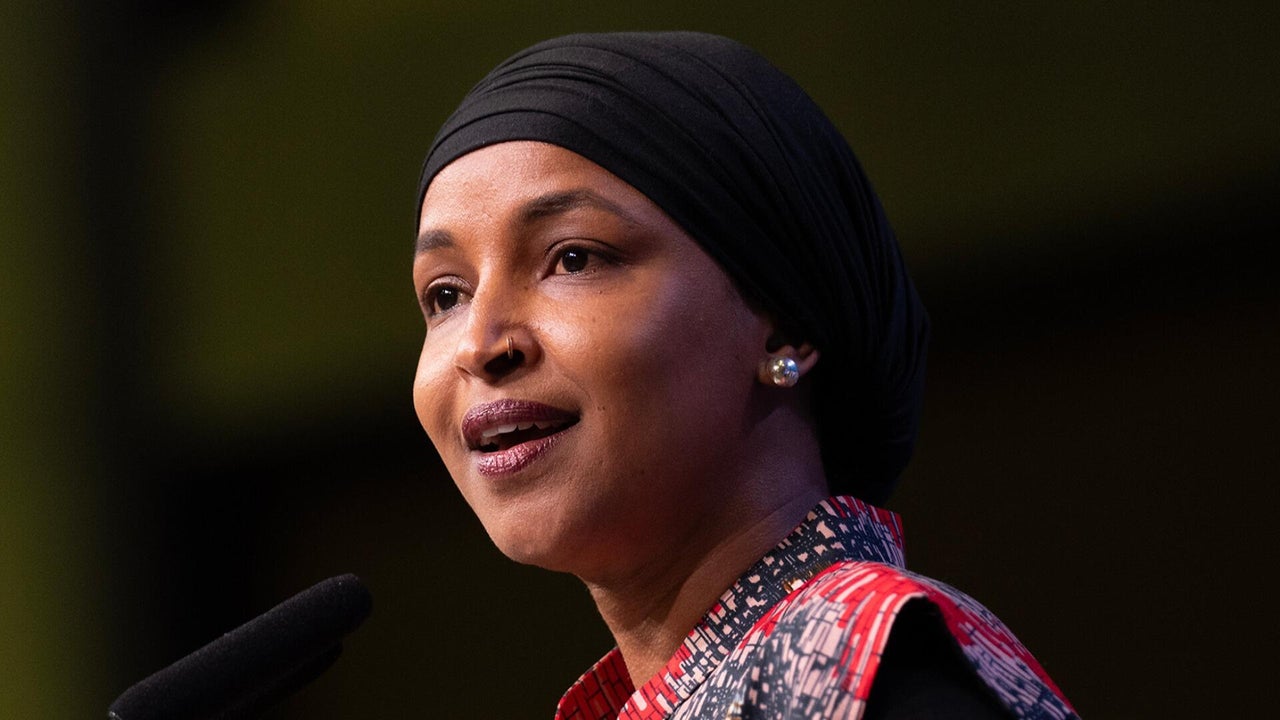
Reports spiraled that Representative Ilhan Omar backed Somaliland independence, a claim she swiftly rejected. The story is a reminder of how powerfully a single unverified headline can sculpt public memory. Omar, a Somali-American lawmaker with a record of critiquing US foreign policy, became a proxy for broader debates about sovereignty and statehood in the Horn of Africa. Her denial underscored the gap between what is said in official forums and what gets screenshot, mistranslated, and rebroadcast as fact.
Key insight: When public figures are framed by anonymous accounts and low-context clips, they lose control of the timeline while adversaries win narrative speed.
The claim collided with a sensitive regional backdrop. Somaliland has pursued recognition since the early 1990s. Its proponents point to relative stability and democratic experiments. Opponents cite Somalia’s territorial integrity and the risk of domino secession movements. Dropping Omar’s name into that debate did not illuminate any of these complexities. It flattened them, inviting knee-jerk reactions instead of structured policy discussions.
How Disinformation Became the Default
The episode exposes a structural issue: rumor distribution is optimized; verification is not. Social platforms reward velocity and emotional resonance. Complex questions like regional borders, clan politics, or federalism do not travel as far as a provocative accusation. Once a false report trends, corrections struggle to catch up, and audiences rarely revisit the thread to see that the initial premise collapsed.
Three dynamics accelerated this cycle:
- Low-friction virality: Screenshots travel without context, letting a single mistranslation shape perception.
- Fragmented media ecosystems: Diaspora outlets echo claims to signal alignment, not to test accuracy.
- Platform incentives: Engagement algorithms amplify outrage, even when factual certainty is missing.
Ilhan Omar’s office had to spend political capital clarifying a rumor instead of advancing policy work. That cost is invisible to casual readers, yet it distorts legislative agendas and derails committee focus.
Why Somaliland Narratives Are So Volatile
Somaliland sits at the intersection of maritime security, counterterrorism, and trade routes. Recognition debates influence how aid is allocated and which ports receive infrastructure investment. False claims about US positions can trigger diplomatic friction with Mogadishu and complicate coordination against al-Shabaab. For diaspora communities, symbolism matters: validation of a favored narrative can translate into fund-raising energy or political endorsements in US districts with large East African populations.
That volatility explains why a misleading headline attached to Ilhan Omar can ripple far beyond social media. It shapes how local leaders perceive US intentions and how rival regional players position themselves. It also risks undermining delicate talks between Somalia’s federal government and Somaliland authorities by implying foreign backing that does not exist.
Mainstream Media’s Accountability Gap
Major outlets often arrive late to niche geopolitical flare-ups, leaving a vacuum filled by partisan blogs and anonymous accounts. When legacy media finally weighs in, it may repeat the frame set by earlier rumors. That pattern showed up here: headlines corrected the record but still foregrounded the accusation, giving the false claim another news cycle.
Journalists face a hard choice: ignore a viral narrative and risk missing a story, or acknowledge it and risk amplifying it. Yet the solution is not binary silence or megaphone coverage. It is disciplined sourcing, transparent uncertainty, and rapid updates. A clear label that a claim is unverified, paired with immediate outreach to primary actors, can slow the contagion without erasing the conversation.
Platform Responsibility and the Policy Vacuum
Content policies are still optimized for domestic misinformation, not cross-border rumor cascades. Moderation teams often lack context about territorial disputes like Somaliland, making it harder to detect harm until after the viral spike. Platforms need smarter signals: geolocation trends, language nuance, and partnership with regional fact-checkers.
Pro tip for readers: When you see a viral foreign policy claim, search for the primary transcript or official statement before reacting. If it is missing, treat the post as speculative until verified.
Regulators have started nudging platforms toward accountability, but enforcement lags. Transparency reports rarely break out regional misinformation incidents, and appeals processes are opaque. Until that changes, public figures like Ilhan Omar will keep absorbing the hit from fabricated statements while platforms collect the clicks.
How to Vet Claims About Somaliland and Similar Flashpoints
Readers and analysts can build a muscle memory for verification. Treat every viral claim as a hypothesis, not a conclusion. Ask basic questions: Who published it first? Is there a primary source transcript? Does the story rely on anonymous officials? Does it conflict with established policy positions?
- Cross-check with official press releases or recorded committee remarks.
- Look for corroboration from multiple independent outlets rather than mirrored blog posts.
- Be wary of posts that lack time stamps or clear attribution.
- Note whether the claim aligns with the speaker’s past positions; sudden pivots deserve extra scrutiny.
- When in doubt, wait. The cost of delay is lower than the cost of spreading a falsehood.
Building this habit does not eliminate misinformation, but it starves it of oxygen. It also signals to platforms that audiences reward accuracy, not just outrage.
Why This Matters Beyond One Congressman
Ilhan Omar’s experience is a warning for every policymaker working on contested geographies. The Horn of Africa is not unique. Similar dynamics hit Taiwan, Crimea, Western Sahara, and Kashmir. False narratives can harden positions and erode trust between negotiating parties. They can also shape how aid budgets and military training programs are justified to skeptical legislatures.
For the US, misperceptions about its stance in Somaliland could complicate its broader Red Sea strategy. Port access, anti-piracy patrols, and humanitarian corridors all hinge on trust. If regional leaders think Washington is secretly backing secession, they may withhold cooperation or seek alternative patrons. Clarity is strategic power; ambiguity born from rumor is strategic debt.
What Policymakers Should Do Next
Lawmakers and diplomats need protocols for rapid rumor response. That means pre-authorized statements that can be issued when a false claim trends, coordinated messaging between congressional offices and the State Department, and proactive briefings with diaspora media to set expectations about verification. Training staffers to monitor high-risk channels can shorten the lag between rumor detection and correction.
Additionally, congressional committees overseeing tech should fold international misinformation into oversight agendas. Asking platforms how they handle claims about disputed territories is not a niche request; it is core to preventing geopolitical harm.
Reframing the Narrative
The controversy offers a chance to upgrade the conversation. Instead of reacting to every viral flare, officials and journalists can lead with the substantive stakes: governance models that work for Somali citizens, security cooperation that respects sovereignty, and pathways to recognition that do not inflame conflict. Centering those questions reduces the appeal of rumor-driven discourse.
For Representative Omar, the episode also underscores the double bind of diaspora politicians. Their identity grants access and credibility on global issues, but it also paints a target for bad-faith actors who want to launder their agendas through sensational claims. The best defense is radical transparency: publish full remarks, transcripts, and context proactively.
Conclusion: Turning a False Start Into a Policy Lesson
The Ilhan Omar Somaliland controversy will fade from timelines, but its lessons should not. Disinformation thrives when audiences crave quick outrage and platforms reward speed over truth. Policymakers, media, and readers can blunt its force by demanding receipts, valuing context, and refusing to let unverified claims dictate the agenda. The next time a foreign policy rumor spikes, remember this episode: the fastest narrative is rarely the truest, and the cost of chasing it can be measured in diplomatic friction and lost focus on the work that actually matters.
The information provided in this article is for general informational purposes only. While we strive for accuracy, we make no guarantees about the completeness or reliability of the content. Always verify important information through official or multiple sources before making decisions.