India’s Cockroach Protests Expose a Governance Crisis
India’s Cockroach Protests Expose a Governance Crisis
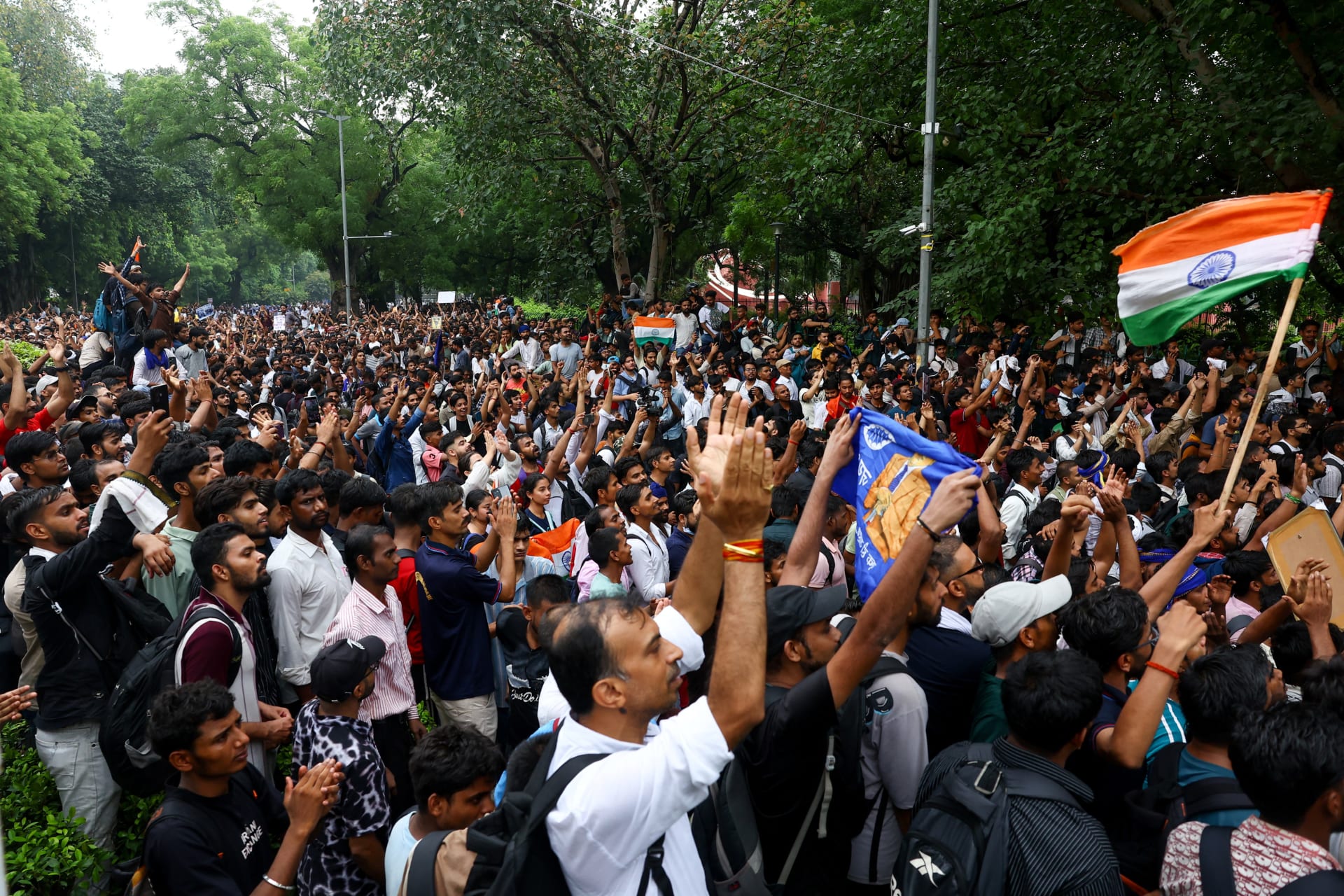
A pest problem becomes a political problem the moment people stop believing anyone is coming to fix it. The India cockroach protests reportedly unfolding around New Delhi are not just about insects, filth, or municipal embarrassment. They are about the fragile contract between citizens and the state: clean streets, safe homes, reliable services, and the basic dignity of not being forced to normalize infestation. When residents take to the streets over cockroaches, the story is no longer a quirky urban complaint. It is a warning signal. India’s cities are expanding fast, but the systems meant to manage waste, drainage, housing density, and public health often move far slower. That gap is where anger grows – and where cockroaches thrive.
- The India cockroach protests point to a wider urban services crisis, not merely a local sanitation dispute.
- New Delhi’s density, waste pressure, and infrastructure gaps make pest control a governance issue.
- Public health risks can escalate when infestation intersects with poor drainage, food waste, and overcrowding.
- The political stakes are rising because citizens increasingly expect visible, measurable municipal action.
Why the India Cockroach Protests Hit a Nerve
Cockroaches are uniquely effective symbols of breakdown. They appear when systems fail quietly: garbage is not cleared, drains are not maintained, buildings age without repair, food waste accumulates, and enforcement becomes selective or performative. Unlike a pothole or a broken streetlight, infestation follows people indoors. It crosses the boundary between public neglect and private life.
That is why the reported protests in and around New Delhi matter. They transform a domestic nuisance into a collective demand. Residents are effectively saying that pest control cannot be outsourced to individual households when the conditions producing pests are citywide. A can of spray is not a sanitation policy. A one-day cleanup drive is not infrastructure reform.
When people protest cockroaches, they are usually protesting the ecosystem that made cockroaches unavoidable.
New Delhi sits at the center of this tension. It is a political capital, an economic magnet, and a city whose administrative complexity can make accountability feel blurred. Multiple agencies may oversee sanitation, land, public health, housing, and drainage. For residents, however, the distinction between departments is irrelevant. They want results.
The Urban Machinery Behind Infestation
Any serious look at the India cockroach protests has to move beyond the spectacle. Cockroaches are resilient, fast-breeding, and remarkably adapted to dense human environments. But infestations do not emerge from nowhere. They are usually the visible output of several overlapping failures.
Waste Collection That Cannot Keep Up
Rapid urban growth puts enormous pressure on municipal waste systems. When garbage collection is inconsistent, overflowing bins become feeding zones. Informal dumping sites, uncovered food waste, and delayed pickup schedules create ideal conditions for pests. Even neighborhoods that pay for private pest control cannot fully protect themselves if nearby waste remains unmanaged.
This is the uncomfortable truth for city governments: pest control is not only about extermination. It is about logistics. It requires reliable routes, maintained vehicles, staffed crews, transparent complaint systems, and enforcement against chronic dumping. If any link breaks, infestation becomes predictable.
Drainage, Moisture, and Old Infrastructure
Cockroaches thrive in damp environments. Poor drainage, leaking pipes, open sewers, and clogged stormwater systems all increase the risk. In a city shaped by monsoon stress, heat, and uneven infrastructure, moisture control is not a cosmetic issue. It is a public health necessity.
Older buildings and informal settlements often face the highest risks. Cracks, shared walls, exposed drains, and overcrowded housing make eradication difficult. Treating one apartment or lane may simply push pests into the next. Without coordinated block-level intervention, infestations rebound.
Administrative Fragmentation
One of the most frustrating parts of urban governance is that responsibility is often divided. A resident may file a complaint about garbage, only to be told it falls under one department. Drainage may fall under another. Housing maintenance may belong to a landlord, a local body, or a separate authority. Pest control may be treated as a private matter until it becomes politically embarrassing.
This fragmentation fuels public anger. Protests emerge when people feel trapped inside a maze of offices, helplines, and promises. In that sense, the cockroach is not merely a pest. It is a user interface for government failure.
Public Health Is the Real Story
The danger with pest stories is that they can be trivialized. Cockroaches invite jokes. But the public health dimension is serious. Infestations can aggravate allergies and asthma, contaminate food surfaces, and signal broader sanitation breakdowns. The risks are especially acute for children, elderly residents, street vendors, low-income households, and people living in high-density housing.
For policymakers, the right question is not simply: how many cockroaches are there? It is: what conditions are allowing them to spread, and who is most exposed?
- Food safety: Infestation can affect homes, markets, restaurants, and street food ecosystems.
- Respiratory health: Cockroach allergens can worsen asthma and indoor air quality.
- Equity: Wealthier residents can purchase private mitigation, while poorer residents remain exposed.
- Trust: Repeated neglect erodes confidence in public health authorities.
The equity point is crucial. Urban pests are often treated as individual household failures, but the burden is not distributed equally. The people least able to pay for sealed housing, professional extermination, water repairs, or private waste services are usually the most exposed to infestation. That turns sanitation into a justice issue.
Why This Matters for India’s Cities
India’s urban future is being built under pressure. Cities are absorbing migration, climate volatility, housing shortages, and rising expectations from a young, digitally connected population. Citizens can document neglect instantly. A video of overflowing garbage or insects in a public facility can become a political flashpoint before officials finish drafting a statement.
The India cockroach protests should therefore be read as part of a larger trend: residents are demanding service delivery that is not ceremonial. Ribbon cuttings and cleanup campaigns are no substitute for maintenance. Urban governance is increasingly being judged not by promises, but by the daily evidence under people’s feet, in their drains, and inside their kitchens.
The next phase of urban politics will be won by governments that master maintenance, not just megaprojects.
That may be the hardest pivot for fast-growing cities. Big infrastructure is visible and politically rewarding. Maintenance is repetitive, unglamorous, and easy to ignore until it fails. But sanitation, drainage, pest management, and waste systems are the backbone of urban legitimacy.
What an Effective Response Should Look Like
A credible response cannot begin and end with emergency spraying. Chemical treatment may be necessary, but it is only one layer. Overuse can create health concerns, uneven application can shift infestations elsewhere, and short-term drives often fade once media attention moves on.
City leaders need a systems approach. That means mapping hotspots, coordinating agencies, publishing timelines, and treating resident complaints as operational data rather than public relations threats.
Pro Tip for Municipal Leaders
Do not frame infestation as a behavior problem among residents before proving that public systems are functioning. Citizens are more likely to cooperate when they see consistent waste pickup, drain cleaning, and follow-through on complaints.
- Map infestation clusters using ward-level complaint data and field inspections.
- Audit waste routes to identify missed pickups and chronic dumping zones.
- Coordinate drain cleaning before and during high-risk weather periods.
- Inspect food markets and public facilities with transparent remediation deadlines.
- Create public dashboards showing complaints received, actions taken, and pending work.
Transparency matters because it shifts the conversation from denial to delivery. If residents can see what is being fixed, where, and when, anger may not disappear, but trust has a chance to recover.
The Political Risk of Ignoring Small Failures
Governments often underestimate the political force of daily inconvenience. A metro delay, a water shortage, a garbage pile, a pest infestation – each may seem manageable in isolation. Together, they create a perception that the state is absent from ordinary life.
That perception is dangerous. It gives opposition parties an opening, energizes neighborhood groups, and turns local grievances into national commentary. In a capital city, the symbolic stakes are even higher. If the capital cannot manage sanitation convincingly, residents elsewhere may ask what that says about broader administrative capacity.
The risk is not merely reputational. Public health failures can become economic failures. Businesses depend on clean markets, safe food systems, and predictable municipal services. Tourism, hospitality, and retail all suffer when a city becomes associated with visible neglect. Urban cleanliness is not vanity. It is infrastructure for commerce.
What Comes Next
The future of this dispute will depend on whether officials treat the protests as noise or as data. The worst response would be a short burst of performative action followed by silence. The better response would be to use the moment to modernize pest management, waste collection, and complaint resolution across affected areas.
There is also a broader lesson here for cities beyond India. Climate stress, density, aging infrastructure, and inequality are making urban sanitation harder everywhere. Pests are adaptive. Bureaucracies must become adaptive too.
The cockroach is a survivor. It thrives in cracks, delays, and neglected corners. If New Delhi’s leaders want to end the protests, they need to do more than kill insects. They need to close the gaps that let infestation become normal. That means treating sanitation as a core measure of governance, not a background service.
The protests may have started with cockroaches. But the demand underneath is much bigger: a city that works when nobody is watching, and a government that shows up before residents have to take to the streets.
The information provided in this article is for general informational purposes only. While we strive for accuracy, we make no guarantees about the completeness or reliability of the content. Always verify important information through official or multiple sources before making decisions.