Iran War Shakes Riyadh

Iran War Shakes Riyadh
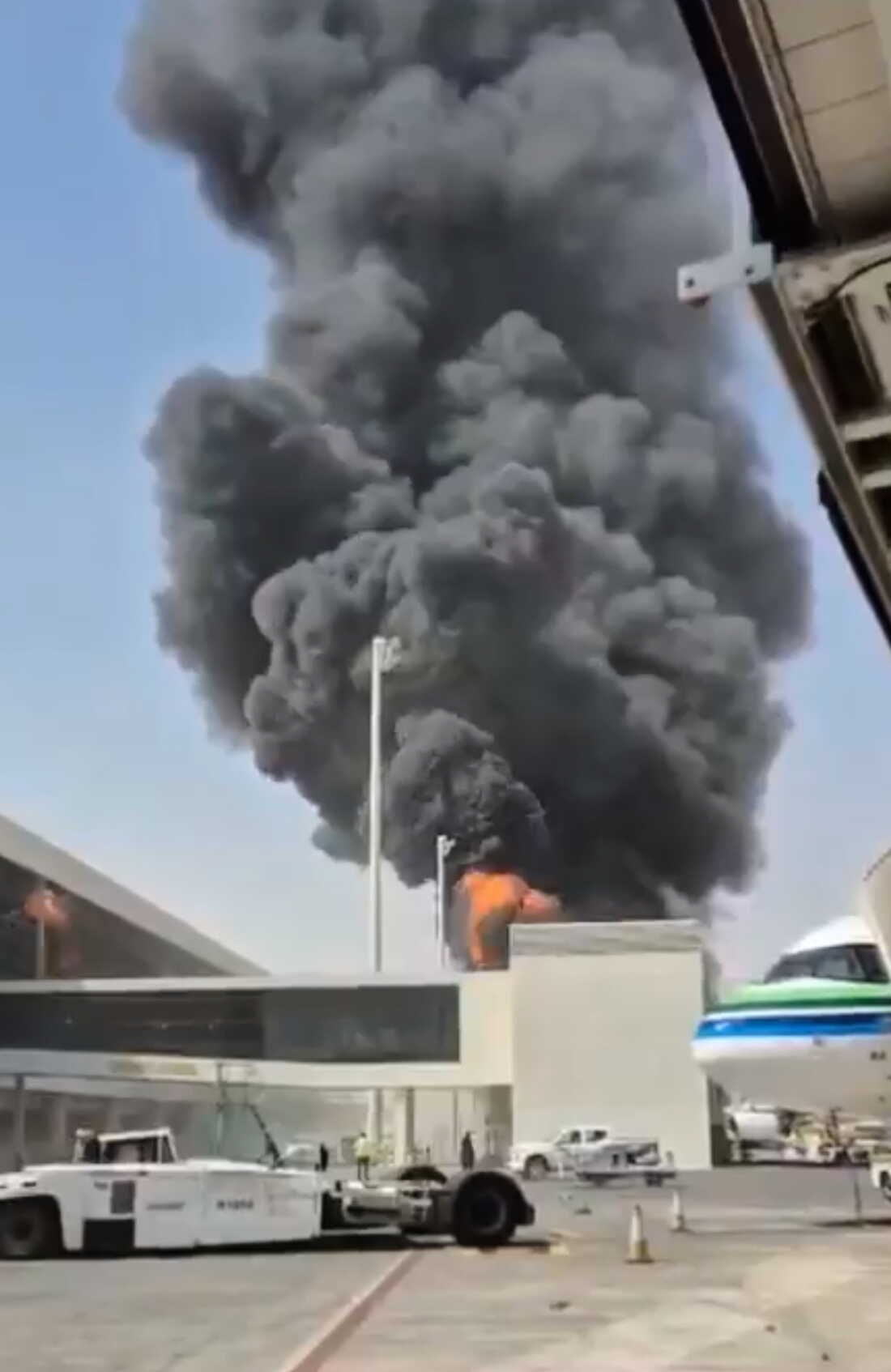
A deadly strike in Riyadh has pushed the Iran war from regional crisis to global risk event. Twelve people reportedly killed in the Saudi capital is not just another grim headline – it is the kind of escalation that forces governments, markets, militaries and ordinary families to reassess what comes next. The added possibility that the United States could join the fight against the Houthis sharpens the danger. Washington may see deterrence. Tehran may see encirclement. Riyadh may see a breach of its most important red line: domestic security. For readers trying to understand whether this is a contained flare-up or the start of a wider war, the real question is no longer who fired first. It is whether anyone still has enough control to stop the next strike.
- The reported deaths in Riyadh mark a serious escalation in the Iran-linked regional conflict.
- US involvement against the Houthis could widen the battlefield and raise the risk of direct confrontation.
- Energy markets, Red Sea shipping and Gulf security are now tied to every military decision.
- The next 72 hours may determine whether diplomacy can slow the cycle of retaliation.
Iran War Enters a More Dangerous Phase
The conflict surrounding Iran and its aligned armed groups has long operated through pressure points rather than a single front line. The Houthis in Yemen, militias in Iraq and Syria, Hezbollah in Lebanon, and other actors have given Tehran strategic reach without requiring a conventional army to cross borders. That model is designed to create ambiguity. But ambiguity becomes harder to sustain when civilians are killed in a major capital like Riyadh.
Saudi Arabia has spent years trying to reduce direct exposure to missile and drone attacks after repeated strikes on energy infrastructure and border regions. A deadly incident in Riyadh would land differently. It hits the kingdom’s political center, its international image and its promise of stability to investors backing its massive economic transformation plans.
Key insight: The most destabilizing part of this crisis is not one attack. It is the number of actors who can escalate independently while claiming they are only responding.
This is why the story matters beyond the Gulf. A strike linked to the broader Iran war ecosystem can pressure the United States to respond, push Saudi Arabia to harden its posture, and give Iran-backed groups incentives to prove they cannot be intimidated. That is the architecture of escalation.
Why the Riyadh Strike Changes the Calculation
Riyadh is not a peripheral target. It is the administrative and symbolic heart of Saudi power. If the reported death toll is confirmed, the attack will likely intensify pressure on Saudi leaders to demonstrate that deterrence still works. In regional politics, perception can be as important as battlefield facts.
Saudi Arabia also has to manage competing priorities. It wants security guarantees from partners, especially the United States. It wants to avoid a prolonged war that could disrupt investment, tourism and its broader economic agenda. And it must show domestic audiences that the state can protect them.
The Saudi dilemma
The kingdom’s challenge is that every option carries risk. A forceful military response may restore some deterrence but invite follow-up attacks. A restrained response may preserve diplomatic flexibility but be read as weakness by adversaries. Leaning heavily on Washington could help militarily, while also making Saudi Arabia look dependent at a moment when it has tried to project strategic independence.
Why this matters: Gulf states have spent the past decade trying to move from crisis management to economic reinvention. A wider conflict would drag them back into the old security-first order, where insurance premiums, oil risk, missile defense and alliance politics dominate everything else.
US Weighs Joining Fight Against Houthis
The possibility of direct US involvement against the Houthis is the most consequential variable in this crisis. Washington has already spent years trying to manage the Houthi threat to shipping, regional stability and partners in the Gulf. But there is a major difference between defensive operations and joining a broader fight in a way that the Houthis, Iran or regional audiences interpret as an American entry into the war.
For the US, the case for action is straightforward: protect partners, keep shipping lanes open, deter further attacks and prevent Iran-aligned groups from setting the tempo. The case against deeper involvement is equally serious: the Houthis have shown a high tolerance for punishment, Yemen’s terrain favors asymmetric warfare, and military strikes rarely eliminate the political logic behind the threat.
What US escalation could look like
- Expanded air or missile strikes against Houthi launch sites, command nodes and weapons depots.
- More naval deployments around the Red Sea, Gulf of Aden and Arabian Sea.
- Integrated air defense coordination with Saudi Arabia and other regional partners.
- Cyber operations targeting Houthi communications, logistics or financial networks.
- More intelligence sharing on missile and drone movements tied to Iran-backed networks.
The key issue is not whether the US has the capability. It does. The issue is whether tactical success produces strategic stability. Destroying a launcher is one thing. Preventing the next proxy attack, maritime strike or retaliatory escalation is much harder.
Iran War Risks Spilling Across the Region
The phrase Iran war can be misleading if it suggests a single battlefield or a traditional declaration of war. The more accurate picture is a connected conflict system. Pressure in one place can trigger retaliation in another. A strike in Riyadh may be answered near the Red Sea. A US move against the Houthis may be met by militia action against American forces elsewhere. A Saudi response may increase pressure on Iranian decision-makers to preserve credibility.
This is the central danger: escalation does not need a master plan. It can emerge from local commanders, political incentives, faulty intelligence, misread red lines or the simple momentum of retaliation.
Red Sea shipping becomes a strategic lever
The Houthis have already demonstrated how disruption at sea can become global economic leverage. When commercial ships face higher risk, costs rise across insurance, fuel, rerouting and delivery timelines. That pressure reaches far beyond the Middle East, affecting manufacturers, retailers and consumers who may never think about the Bab el-Mandeb Strait until prices change.
Pro tip for business leaders: Companies with exposure to shipping, energy, aviation, fertilizers, petrochemicals or regional tourism should review contingency plans now. In a conflict like this, the operational shock often arrives before the political picture becomes clear.
The Oil Market Is Watching Every Signal
Saudi Arabia remains central to global energy stability. Even when physical supply is not immediately disrupted, the fear premium can move markets fast. Traders watch for signs that attacks are expanding toward production sites, export terminals, pipelines, refineries or maritime chokepoints.
A Riyadh strike does not automatically mean an oil shock. But it increases the probability that markets price in higher geopolitical risk. If the US enters more directly against the Houthis, investors will ask whether Iranian-aligned groups could retaliate against energy assets, shipping routes or American-linked infrastructure.
Market reality: Oil prices do not wait for perfect evidence. They move on probability, vulnerability and the belief that the next strike could hit something harder to replace.
For policymakers, this creates another bind. Strong military action may reassure allies but unsettle markets if it looks like the opening round of a broader campaign. Restraint may calm prices temporarily but embolden actors who believe economic anxiety will limit Western and Gulf responses.
Diplomacy Still Has a Narrow Window
Even in severe crises, backchannels matter. The US, Saudi Arabia, Iran and regional intermediaries all have reasons to prevent an uncontrolled regional war. Iran does not benefit from a direct conventional clash with the US. Saudi Arabia does not want its economic transformation held hostage by missile alerts. Washington does not want another open-ended Middle East conflict. The Houthis may welcome confrontation politically, but they also operate within a broader network of constraints and incentives.
The problem is timing. Diplomacy works best before leaders publicly commit to maximalist positions. Once casualties dominate the news cycle and domestic pressure rises, compromise becomes more expensive. That is why the next stage of messaging matters: whether governments frame their moves as limited deterrence or existential confrontation.
Signals to watch next
- Whether Saudi officials blame the Houthis directly or broaden responsibility to Iran.
- Whether the US announces limited defensive measures or offensive operations.
- Whether Iran signals denial, restraint or readiness to respond through allies.
- Whether shipping advisories expand across the Red Sea and Gulf routes.
- Whether oil infrastructure moves to heightened alert or changes export operations.
Each signal will shape expectations. In a crisis like this, public language is not cosmetic. It is part of deterrence, de-escalation and domestic political management.
What This Means for the Wider Middle East
A broader conflict would not stay neatly confined to Saudi Arabia, Yemen and Iran. Iraq and Syria remain flashpoints because of the presence of US forces and Iran-aligned militias. Lebanon carries the risk of escalation involving Hezbollah and Israel. The Gulf faces drone and missile threats. The Red Sea remains vulnerable to attacks on commercial shipping. Each arena has its own logic, but all are connected by alliance networks and retaliatory expectations.
For civilians, the consequences are immediate and brutal: deaths, displacement, fear, disrupted services and economic uncertainty. For governments, the strategic challenge is to prevent a tragedy in one city from becoming a doctrine of permanent escalation.
The bottom line: The reported Riyadh deaths and the possibility of US action against the Houthis have turned a volatile regional confrontation into a test of global crisis management. The next moves from Washington, Riyadh, Tehran and Sanaa will determine whether this remains a dangerous episode or becomes the beginning of a wider regional war.
The information provided in this article is for general informational purposes only. While we strive for accuracy, we make no guarantees about the completeness or reliability of the content. Always verify important information through official or multiple sources before making decisions.