Inflation Tightens Its Grip
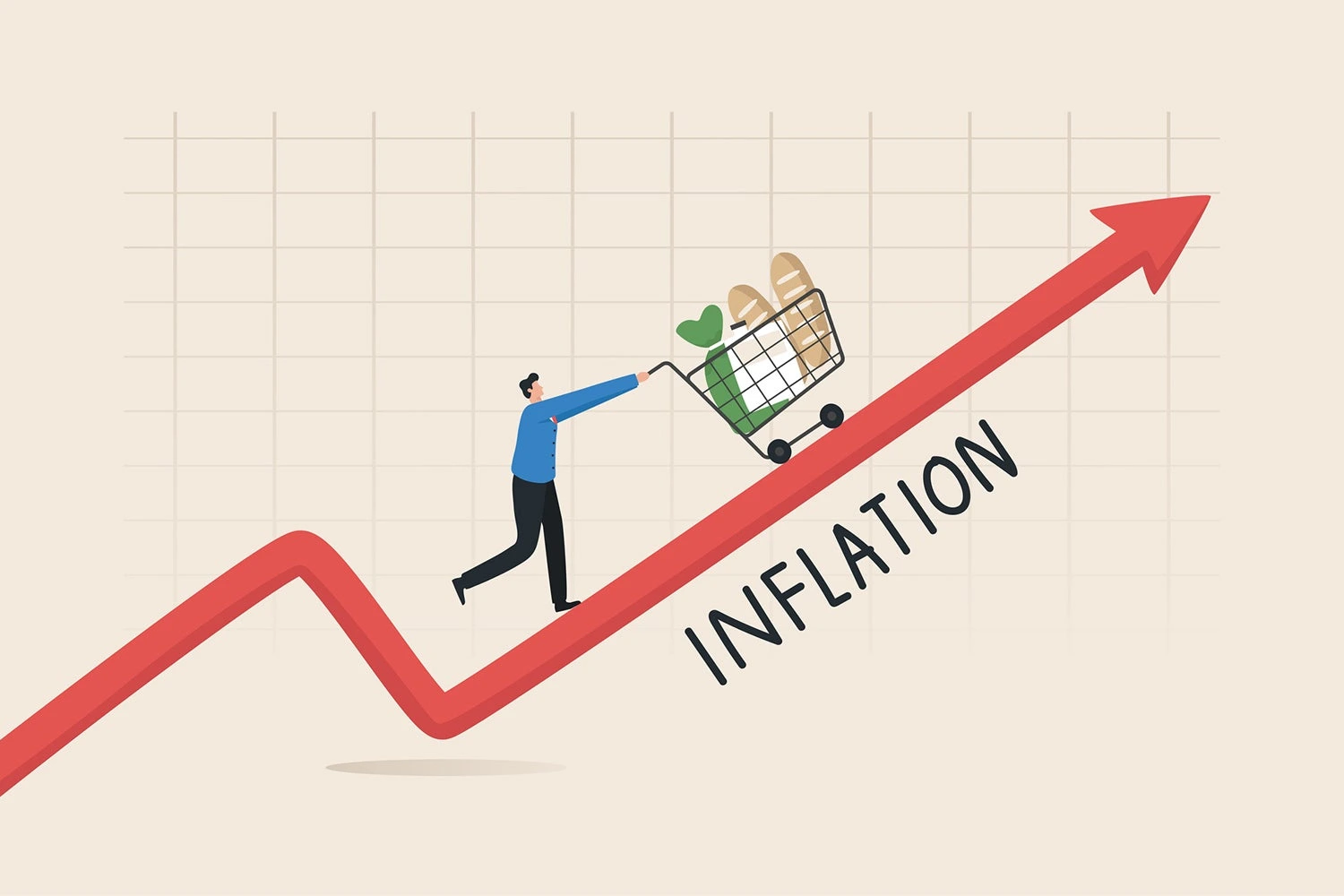
Inflation Tightens Its Grip
Americans are not just annoyed by inflation anymore – they are reorganizing their lives around it. The latest pressure points are painfully familiar: gas prices, grocery prices, and housing costs that keep swallowing a bigger share of each paycheck. A new Utah poll adds something important to the conversation: this is no longer just a macroeconomic story for economists and the Federal Reserve. It is a household-budget crisis playing out in real time, and it is changing what people buy, where they live, and how much financial slack they have left. Even when headline inflation cools, the experience of paying more for essentials does not disappear. That disconnect is what makes this moment so politically and economically combustible.
- Inflation is still hitting the essentials hardest, especially fuel, food, and housing.
- Households are adapting by cutting discretionary spending and delaying major purchases.
- Consumer sentiment remains fragile because everyday costs feel more real than headline data.
- The Federal Reserve faces a stubborn problem: demand may ease, but supply shocks can keep prices elevated.
- Persistent price pressure could reshape local politics, retail behavior, and housing choices.
Why inflation still feels unrelenting
Official inflation readings can move lower and still leave families feeling stuck. That is because the categories that shape daily life do not behave like a clean spreadsheet. Gas and groceries are recurrent expenses, which means people notice every jump immediately. Housing is worse: once rent or mortgage costs rise, the change lingers month after month. Even if inflation moderates overall, the cumulative effect on household budgets can keep building. The result is a strange kind of economic fatigue where the numbers improve but the lived experience does not.
The Utah poll underscores that point. People are not responding to inflation as an abstract trend line. They are reacting to practical trade-offs: fewer restaurant meals, less travel, tighter shopping lists, and more anxiety about any unexpected bill. That behavior matters because consumer confidence is not just a mood indicator – it shapes spending, borrowing, and business forecasts. When households feel squeezed, they protect cash first and ask questions later.
The new inflation reality for household budgets
The most revealing part of today’s inflation story is how it reshapes budgeting habits. Families are not only spending more; they are building contingency plans around higher baseline costs. That means the old financial buffer is shrinking. A gas refill that once barely registered can now force a choice between commuting, saving, or cutting elsewhere. Grocery trips that used to be routine now require comparison shopping, private-label substitutions, and a lot more mental math.
For many households, the pressure is cumulative rather than dramatic. One category is manageable. Three or four categories at once become destabilizing. That is why inflation feels so much harsher when it hits essentials simultaneously. When food, fuel, and shelter all rise together, there is no easy place to hide.
Price increases on necessities do more damage than flashy headline inflation numbers suggest, because they compress everyday life and reduce the margin for error.
What families are cutting first
Consumers typically trim discretionary spending before they touch essentials. The first casualties often include entertainment subscriptions, impulse shopping, dining out, and weekend trips. If inflation stays sticky, bigger decisions follow: postponing appliance purchases, delaying home upgrades, or reducing retirement contributions. That is the quiet but consequential part of inflation – it forces households to trade future resilience for present survival.
In practical terms, this means people become more selective and more price-sensitive. Retailers and service providers see it immediately in basket sizes, loyalty patterns, and demand for promotions. The economy may still be growing, but it is doing so on more cautious consumer footing.
Gas prices and grocery prices remain the emotional triggers
If inflation has a public face, it is the pump and the checkout lane. Gas prices are visible, frequent, and socially contagious – people talk about them because they can see the cost rise in real time. Grocery prices hit even harder because they are tied to survival, family routines, and the perception that everyday life should not require constant strategizing. Together, they create the kind of frustration that headline CPI figures cannot fully capture.
This is why policymakers struggle with public perception even when inflation metrics improve. Consumers do not experience inflation through a national average. They experience it through the specific items they buy repeatedly. If milk, eggs, bread, and gasoline stay expensive, people conclude that inflation is still “high,” regardless of what the broader basket says.
Why supply shocks matter more than sound bites
The source material points to a deeper concern: supply shocks. That term sounds technical, but it describes something brutally simple – when supply gets constrained, prices rise faster than households can adapt. Petroleum disruptions can send fuel costs higher. Weather, logistics bottlenecks, labor shortages, and input costs can ripple through food supply chains. These shocks are hard to fix quickly, which is why inflation can stay stubborn even when demand cools.
For the average household, the takeaway is uncomfortable: some price increases are not caused by overspending. They are caused by limited supply, and those are tougher for the Federal Reserve to tame with interest rates alone. That is where the gap between policy tools and real-life pain becomes obvious.
The Federal Reserve has a narrower path than it looks
Monetary policy is often treated like a master switch for inflation, but the current environment is messier. The Fed can slow demand by keeping borrowing costs elevated, but it cannot drill more oil, unclog a port, or grow more food. That leaves central bankers in a delicate position: push too hard and they risk a broader slowdown; ease too soon and inflation expectations can harden again.
This is why poll-driven concern about inflation matters. Public pressure can shape the political backdrop around interest rates, even though the Fed is supposed to operate independently. When voters feel trapped by rising prices, patience for slow disinflation runs thin. That gives policymakers less room to celebrate progress and more incentive to prove they are not losing control.
The hardest inflation environment is not the one that moves fastest. It is the one that lingers just enough to change behavior without creating a clean economic break.
What the Fed can and cannot do
- Can influence borrowing costs and demand through interest rates.
- Can signal that inflation remains a priority for markets and consumers.
- Cannot directly reduce fuel supply disruptions or fix housing shortages.
- Cannot instantly lower grocery bills when supply chains remain tight.
- Cannot restore consumer confidence on its own if essentials remain volatile.
Housing is the silent accelerator
Housing is often the most underestimated driver of inflation anxiety because it behaves differently from gas or groceries. People can delay a road trip or shop for cheaper food, but shelter is non-negotiable. When rent rises or mortgage payments reset, families absorb a long-term cost increase that compounds monthly. That pressure can crowd out savings and make every other expense feel more painful.
In high-cost markets, housing acts like an inflation amplifier. A family that is already stretched by rent has less room to absorb a jump in groceries. A homeowner facing higher insurance, taxes, or refinancing costs may feel just as squeezed. That is why housing inflation is not merely a separate issue – it intensifies all the others.
The Utah poll suggests that consumers are connecting these dots. They are not treating inflation as one category among many. They are seeing it as a system-wide squeeze that affects mobility, family planning, and long-term financial security.
What businesses should watch next
For retailers, restaurants, automakers, and service companies, inflation fatigue changes demand patterns in subtle but important ways. Consumers become more strategic, less loyal, and more promotion-driven. They trade down. They delay upgrades. They compare more aggressively. And they punish businesses that raise prices without a clear value story.
That means companies need to rethink pricing communication, inventory planning, and product mix. Premium offerings can still work, but only if they are framed as obvious value. Discounting may be necessary, but not all discounting is equal. The brands that win in this environment will be the ones that respect the shopper’s budget anxiety instead of pretending it does not exist.
Pro tips for navigating a sticky inflation cycle
- Track recurring costs first: fuel, groceries, rent, insurance, and utilities usually do the most damage.
- Build flexible budgets that assume volatility, not stability.
- Use subscription audits to remove quiet leaks in monthly spending.
- Compare unit prices, not just shelf prices, when shopping for essentials.
- Keep a small emergency buffer so one bad month does not trigger debt.
Why this inflation story matters now
Inflation is not just a data series or a campaign talking point. It is a measure of how much room ordinary people have left to live normal lives. The Utah poll captures a mood that policymakers and executives ignore at their own risk: households are still bracing, still trimming, and still waiting for relief they can actually feel. If fuel, food, and housing remain elevated, the economy may keep expanding while consumer trust keeps eroding.
That is the real warning. Persistent inflation does not always arrive as a crisis. Sometimes it arrives as a slow tightening – one that changes how people shop, save, and plan for the future. And once that behavior hardens, it becomes much harder to reverse than a temporary spike in prices.
The numbers may eventually calm down. The memory of paying more for the basics, however, tends to stick.
The information provided in this article is for general informational purposes only. While we strive for accuracy, we make no guarantees about the completeness or reliability of the content. Always verify important information through official or multiple sources before making decisions.


