Interest Rates Reshape the Economy
Interest Rates Reshape the Economy
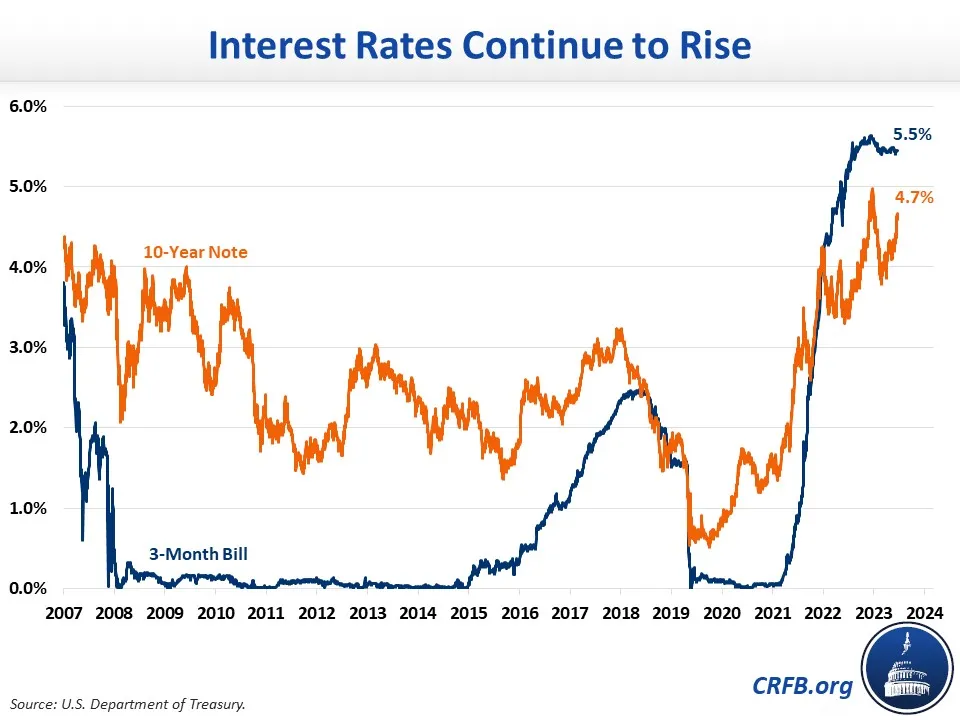
The era of cheap money is not coming back on command, and that is the tension now gripping households, Wall Street, and Washington. Interest rates have become the economy’s most important pressure point: they decide who can buy a home, which companies can refinance debt, how investors value future growth, and whether inflation cools without cracking the labor market. For consumers, the pain is visible in monthly payments. For markets, it shows up in every twitch of Treasury yields. For policymakers, the challenge is brutal: cut too soon and inflation can reaccelerate, wait too long and the slowdown can deepen. The result is an economy that looks resilient on the surface but increasingly divided underneath, where access to cash has become a competitive advantage.
- Interest rates remain the central variable shaping mortgages, stocks, bonds, and business investment.
- Inflation progress is not the same as victory, especially when services prices and wages remain sticky.
- Mortgage affordability is still historically strained, even if home prices stop rising quickly.
- Markets are pricing policy expectations, not just current economic data.
- The next phase depends on timing: when rate cuts arrive, how fast they come, and whether the economy can absorb them.
Why Interest Rates Now Dominate the Economic Story
The modern economy runs on expectations, and few expectations matter more than the path of interest rates. A single signal from the Federal Reserve can reshape borrowing costs across the financial system, from credit cards to auto loans to 30-year fixed mortgages. That is why rate policy is no longer a background issue for economists. It is the engine behind the consumer mood, the housing freeze, and the market’s obsession with every inflation print.
When rates rose sharply, the goal was straightforward: slow demand enough to bring inflation down. That strategy worked in important ways. Price growth cooled from its peak, speculative excess faded, and consumers became more selective. But higher rates also created a second-order problem. They did not hit everyone equally. Cash-rich households and large companies adjusted. First-time buyers, small businesses, and heavily indebted firms felt the squeeze much faster.
Higher rates do not simply slow the economy. They redistribute opportunity toward borrowers with stronger balance sheets and away from those who need financing the most.
The Fed funds rate is the starting point, not the full story
The Fed funds rate is the benchmark that gets the headlines, but consumers rarely borrow at that rate directly. Instead, it influences a chain of market prices. Treasury yields respond to expectations for inflation, growth, and future central bank policy. Banks price loans based on those yields, risk premiums, and funding costs. Mortgage lenders then layer on credit risk and market volatility.
That is why mortgage costs can rise even when the central bank is holding steady, and why markets can rally before any official rate cut happens. Investors trade the future. Households pay the present.
Interest Rates and Mortgages Are Freezing the Housing Market
No part of the economy reveals the rate shock more clearly than housing. A homeowner who locked in a sub-3 percent mortgage rate has a powerful incentive not to move. Selling a house often means replacing an old cheap loan with a new expensive one. That has created a lock-in effect that limits supply, frustrates buyers, and keeps prices firmer than affordability models would normally suggest.
For buyers, the math is unforgiving. Even if a listing price looks stable, the monthly payment can be dramatically higher than it was during the low-rate period. A change of a few percentage points in mortgage rates can add hundreds of dollars to a monthly bill, pushing would-be buyers out of the market or forcing them into smaller homes, different neighborhoods, or longer commutes.
Why lower inflation has not fixed affordability
Lower inflation helps, but it does not automatically repair housing affordability. Home prices, insurance premiums, property taxes, and financing costs all matter. In many markets, buyers are facing the worst combination: elevated home prices, limited inventory, and borrowing costs that remain high relative to the previous decade.
Pro Tip: Buyers should avoid anchoring on the rate their friends received in 2021. The better calculation is total monthly ownership cost: principal, interest, taxes, insurance, maintenance, and a cushion for repairs. A lower purchase price does not always mean affordability if financing and insurance are moving in the wrong direction.
Inflation Is Cooling but the Last Mile Is Messy
The central bank’s problem is that inflation is not one single thing. Goods inflation can cool because supply chains heal. Energy prices can swing for geopolitical or seasonal reasons. Housing inflation moves with a lag. Services inflation often depends on wages, labor supply, and consumer demand. That makes the final phase of disinflation harder to manage than the first.
Policymakers are watching measures such as CPI, core CPI, PCE inflation, wage growth, and employment data. The question is not only whether inflation is lower than before. The question is whether it is sustainably moving toward target without relying on temporary declines in volatile categories.
The risk of cutting too early
If the central bank cuts rates before inflation is convincingly contained, financial conditions can loosen quickly. Stocks may rise, credit spreads may tighten, consumers may feel wealthier, and borrowing may pick up. That can support growth, but it can also revive the demand pressures policymakers spent years trying to cool.
The risk of waiting too long
The opposite danger is more subtle. Monetary policy works with lags. A rate decision made today can take months to fully affect hiring, investment, and household spending. If policymakers wait for every data point to weaken, they may discover too late that the economy has already lost momentum.
The hardest part of rate policy is not knowing whether the economy is strong today. It is estimating how much of today’s tightening has not yet arrived.
Markets Are Trading the Interest Rates Timeline
Stocks and bonds are not just reacting to earnings or inflation data. They are trading a timeline. Investors want to know when cuts begin, how many cuts are likely, and whether those cuts are a sign of victory over inflation or a response to economic stress.
That distinction matters. Rate cuts can be bullish when they arrive because inflation is under control and growth remains steady. They can be bearish if they arrive because unemployment is rising, defaults are spreading, or demand is deteriorating. The same policy move can send very different signals depending on the backdrop.
Why Treasury yields matter beyond Wall Street
Treasury yields are the reference rate for vast parts of the economy. They influence corporate borrowing, municipal finance, mortgage pricing, and portfolio allocation. When yields rise, future cash flows are discounted more aggressively, which can pressure growth stocks. When yields fall, risk assets often get relief, but only if the decline does not reflect recession fears.
This is why market reactions can look contradictory. A strong jobs report can push stocks down if investors think it delays rate cuts. A weaker report can lift stocks if it suggests inflation pressure is fading. The market is not always cheering weakness. It is recalibrating the policy path.
What Higher Borrowing Costs Mean for Businesses
For companies, higher rates change the definition of discipline. During the cheap-money era, growth could be funded with inexpensive debt and generous valuations. In a higher-rate environment, investors ask harder questions: Is the company profitable? Can it refinance? Does it generate cash? Is its growth durable without constant capital raises?
Large companies with strong balance sheets have more room to maneuver. They can refinance strategically, issue debt on better terms, or use cash reserves. Smaller firms often face tighter credit, stricter lending standards, and more expensive working capital. That can slow hiring, delay expansion, and reduce risk-taking.
The refinancing wall
A major concern is the maturity schedule for corporate debt. Debt issued when rates were low eventually has to be refinanced. If that refinancing happens at much higher rates, interest expenses rise and profit margins shrink. Companies with weak cash flow may be forced to cut costs, sell assets, or raise equity at unfavorable prices.
Why this matters: The rate shock does not hit all at once. It rolls through the economy as loans reset, bonds mature, leases renew, and consumers exhaust savings buffers. That rolling impact is one reason the economy can look stable until suddenly it does not.
Consumers Are Still Spending but the Cushion Is Thinner
Consumer spending has been one of the economy’s great surprises. Even with higher rates, many households kept spending on travel, dining, and services. Wage gains helped. Job growth helped. Pandemic-era savings helped. But those supports are not infinite.
Credit card balances, delinquency trends, and loan performance are increasingly important signals. When borrowing costs rise, revolving debt becomes more expensive. Households with strong income and savings may manage. Lower-income households are more exposed to higher prices, higher rents, and higher financing costs.
- Credit cards: Higher
APRlevels make balances more expensive to carry. - Auto loans: Higher monthly payments can reduce demand and increase delinquency risk.
- Student loans: Payment obligations can reduce discretionary spending.
- Rent and insurance: Non-discretionary costs limit how much consumers can absorb.
What Happens Next for Interest Rates
The next stage depends on whether inflation continues to cool without a sharp deterioration in employment. If that happens, policymakers may be able to gradually reduce rates and engineer a soft landing. That would relieve pressure on mortgages, support valuations, and lower financing costs for businesses.
But a clean glide path is not guaranteed. Inflation could prove sticky. Energy prices could rise. Wage growth could remain too strong for comfort. Or the labor market could weaken faster than expected, turning the debate from inflation control to recession defense.
Scenario one: gradual cuts and a soft landing
In the best-case scenario, inflation continues moving lower, unemployment rises only modestly, and the central bank cuts rates slowly. Mortgage rates drift down, housing supply improves, and markets broaden beyond a handful of mega-cap winners. This is the outcome investors want most.
Scenario two: sticky inflation and higher for longer
If inflation stalls above target, policymakers may hold rates elevated for longer. That would keep pressure on housing, credit, and rate-sensitive sectors. It could also expose weaker borrowers as refinancing costs rise.
Scenario three: delayed cuts after a sharper slowdown
If the economy weakens abruptly, rate cuts may come faster, but with a darker message. Markets may not celebrate if cuts arrive alongside rising unemployment, falling profits, or tighter credit conditions.
How Households and Investors Should Read the Signal
The smartest approach is to treat rates as a planning variable, not a prediction game. Nobody can consistently time central bank decisions, but households and investors can stress-test their exposure.
- Homebuyers should model payments at multiple
mortgage ratelevels and avoid relying on fast refinancing. - Investors should watch whether falling yields reflect lower inflation or weaker growth.
- Business owners should review debt maturities, cash flow, and exposure to variable-rate loans.
- Consumers should prioritize high-cost debt because elevated
APRlevels compound quickly.
The bigger lesson is that interest rates are no longer just a macroeconomic abstraction. They are the price of time, risk, and flexibility. When that price rises, every decision becomes more expensive to reverse.
The Bottom Line on Interest Rates
The economy has absorbed higher rates better than many expected, but resilience is not the same as immunity. Mortgages remain punishing, markets are hypersensitive to policy signals, and inflation still has to finish the job. The central bank is trying to land a plane with instruments that update slowly and passengers who react instantly.
For now, interest rates remain the master switch. They are shaping what families can afford, what companies can build, what investors are willing to pay for growth, and how much patience policymakers can afford. The next move matters, but the path matters more.
The information provided in this article is for general informational purposes only. While we strive for accuracy, we make no guarantees about the completeness or reliability of the content. Always verify important information through official or multiple sources before making decisions.