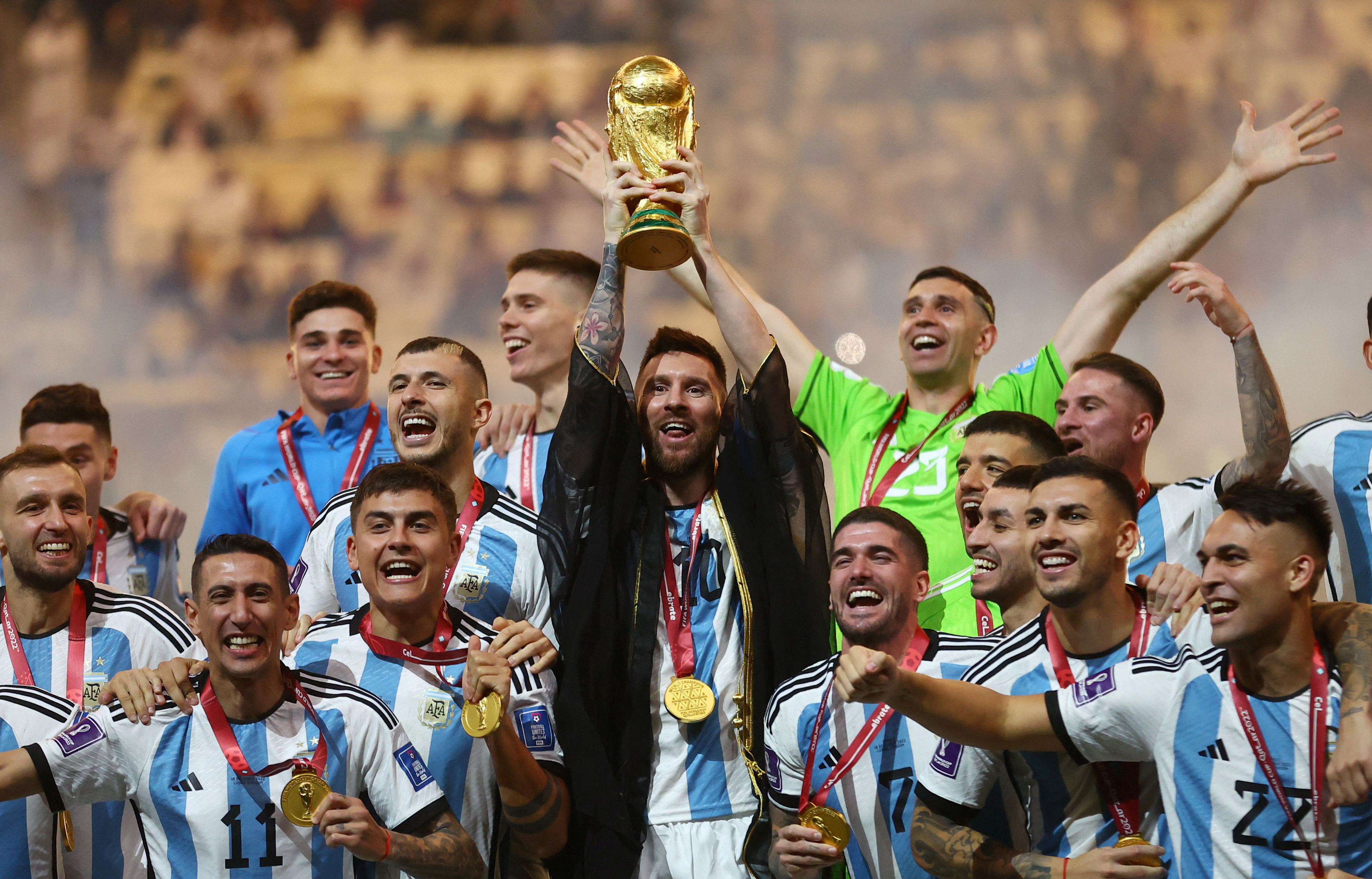
Iran Faces the Fallout After Team Melli Exit
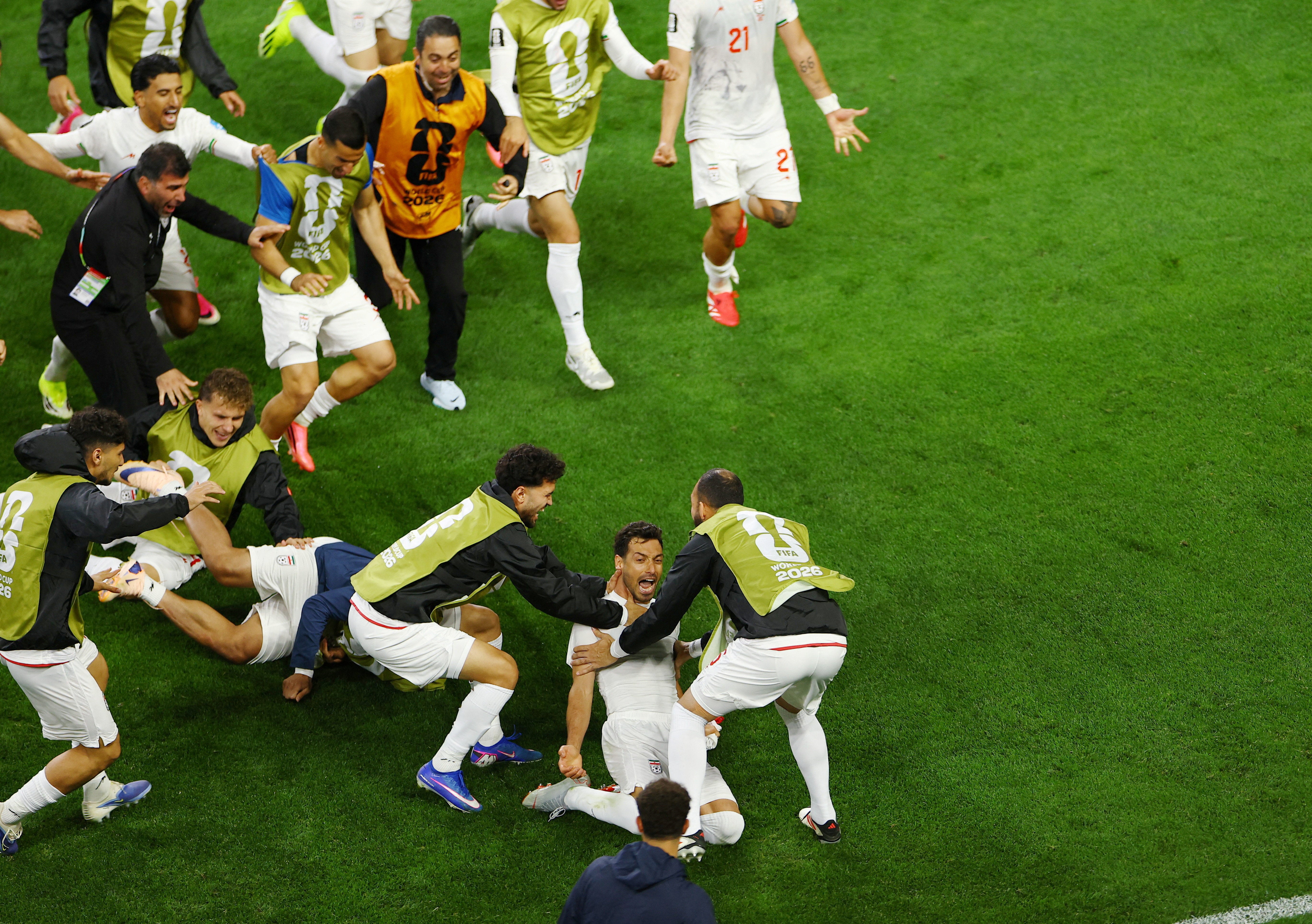
Iran Faces the Fallout After Team Melli Exit
When a national team gets knocked out of the World Cup, the scoreboard is only the beginning. In Iran, Team Melli’s elimination landed like a political and emotional jolt, exposing how deeply football is tied to identity, pride, and public mood. The reaction is bigger than one match because the team is bigger than one match: it becomes a proxy for national resilience, disappointment, and sometimes frustration with the state of the country itself. That is why the aftermath matters. A loss on the pitch can quickly turn into a wider conversation about who gets to speak for the nation, what sports can still unite, and how much pressure athletes carry when the stakes extend far beyond football. For Iran, the World Cup exit is not just a sporting event. It is a public moment with social, cultural, and political consequences.
- Team Melli’s elimination triggered a wave of emotion that went far beyond sports.
- Football in Iran functions as a national pressure valve, not just entertainment.
- The reaction reveals how tightly linked sport, identity, and politics can be.
- Losses can amplify public frustration while also reinforcing collective pride.
- The deeper story is about what happens when a team becomes a symbol.
Why Team Melli’s Exit Hit So Hard
The intensity around Team Melli is not accidental. In Iran, football often carries the burden of representation that goes well beyond tactics, fitness, or coaching. The national team is one of the few mass cultural institutions that can still cut across class, region, and ideology. When Team Melli loses, supporters do not just see a tactical failure. They feel a rupture in a shared emotional space. That is especially true during a World Cup, where every match becomes a compressed test of national image. A strong run can generate rare optimism. An early exit can do the opposite, sharpening public anxiety and disappointment in equal measure.
That dynamic is part of what makes Iran World Cup knockout such a loaded phrase. It describes a sporting result, yes, but also a national mood shift. And unlike many teams that can frame defeat as a one-off disappointment, Iran’s football story is often read through a broader lens: sanctions, social tensions, and generational divides. The result is that the team carries symbolic weight that can be difficult for any coach or player to manage.
Iran World Cup knockout and the emotional economy of football
Sports culture in Iran has long operated as an emotional economy. Fans invest hope, pride, and identity into Team Melli because football provides something rare: a communal experience that is immediate and legible. You do not need a political science degree to understand a missed chance or a defensive collapse. Yet the reaction to those moments can still be political, because football is one of the few spaces where public feeling can become visible at scale.
That is why defeats sometimes create a vacuum. Supporters who had spent weeks or months building expectations are left with nowhere to put that energy. Social media fills some of the gap, but it also accelerates the spread of anger, blame, and grief. Coaches are criticized. Players are questioned. Institutions are scrutinized. And underneath all of it is a more uncomfortable truth: when a national team exits a tournament, people often project their broader frustrations onto the result.
Expert insight: The power of national football teams is not just that they win or lose. It is that they give millions of people a single emotional storyline to follow, and then abruptly end it.
The pressure on players is structural
For players, this is not just an abstract burden. They are asked to perform as athletes while also serving as cultural symbols. That dual role is exhausting. Every missed pass can be interpreted as weakness. Every celebration can be read as defiance. Every press conference becomes a test of tone. In that environment, the margin for error shrinks dramatically, and public patience often disappears faster than form does.
That is why the conversation after Team Melli’s exit should not be limited to blame. It should also ask whether the system around the team is designed to absorb pressure in a healthy way. Support structures, coaching continuity, and communication with fans all matter. So does the ability to separate sporting criticism from emotional overreaction.
The bigger meaning of the World Cup elimination
World Cup elimination is always painful, but not every elimination becomes socially consequential. Iran is different because football there is intertwined with national narrative. A win can feel like proof of competence and cohesion. A loss can feel like evidence that something deeper is broken, even when the sporting explanation is straightforward.
This is where the story gets more interesting. Team Melli’s exit can be read as a mirror held up to the country. The reflection is imperfect, but it is powerful. It shows a public hungry for collective moments, a fan base with high expectations, and a society where even entertainment can become politically charged. In that sense, the tournament result is not merely about qualification or advancement. It becomes part of the larger struggle over meaning.
For policymakers and sports administrators, this is an important lesson. National teams are not insulated from society. They are embedded in it. The way an exit is handled can either soften disappointment or harden it into resentment. Transparent communication, respect for supporters, and a realistic long-term plan can help. Silence, vagueness, or defensive framing usually makes things worse.
Why the post-match response matters
The aftermath of a loss is often more revealing than the match itself. Did officials acknowledge mistakes honestly? Did players speak openly without being used as scapegoats? Did supporters feel respected, or dismissed? These questions shape the emotional recovery that follows elimination. If handled well, the team can preserve goodwill even in defeat. If handled poorly, the fallout can linger well beyond the tournament.
That is especially important in a football environment where trust is already fragile. Fans want more than slogans. They want signs that lessons will be learned. They want to believe the team is building toward something rather than repeating the same cycle of hope and disappointment.
What Team Melli’s exit says about modern fandom
The response to Team Melli’s World Cup exit also reflects how modern fandom has changed. Supporters are no longer passive spectators. They are instant analysts, emotional commentators, and relentless archivists of every mistake. A bad result is dissected in real time, often before the final whistle has fully faded. That immediacy can deepen engagement, but it also magnifies frustration.
For a team like Iran, that means the public conversation is shaped by speed and intensity. Clips circulate. Hot takes multiply. Narratives harden quickly. The danger is that the most dramatic interpretation often wins, even when it is not the most accurate. The opportunity is that broader participation can also create a more informed fan culture, one that understands tactics, development, and context instead of simply demanding results.
This is where a smarter football ecosystem becomes essential. Federations, media outlets, and team officials all have a role to play in slowing the cycle of overreaction. Better analysis can reduce the temptation to turn every defeat into a crisis.
Key takeaway: The healthiest sports cultures do not eliminate disappointment. They build systems that keep disappointment from becoming self-destruction.
What happens next for Iran football
The next phase for Team Melli should not begin with panic. It should begin with assessment. What worked? What failed? Which players are ready for the next cycle? Which tactical ideas need updating? A World Cup exit is not proof that a program is broken, but it is a reminder that standing still is not an option.
For supporters, the painful part is that recovery takes time. There is no instant replacement for tournament hope. But the long view matters. International football is cyclical, and teams that treat setbacks as data rather than disaster usually come back stronger. That requires patience, and patience is hard to sell after a crushing exit.
The broader implication is clear: if Iran wants Team Melli to remain a unifying force, it must treat the team as a long-term project, not a short-term emotional outlet. That means investment in development, coaching consistency, and institutional credibility. It also means recognizing that football can carry national emotion, but it cannot solve national problems by itself.
Why this moment matters beyond sports
There is a reason this story travels beyond the sports page. Team Melli’s defeat reveals how modern nations use sport as a vessel for identity, release, and meaning. When the team wins, the symbolism is easy. When it loses, the symbolism becomes more complicated, but no less powerful.
Iran’s reaction to the elimination shows that football still matters because it is one of the few public rituals capable of uniting millions in the same emotional register. That makes it valuable. It also makes it vulnerable. The same intensity that makes the sport meaningful can also make the aftermath painful.
For now, the result stands. The tournament is over. The arguments will continue. And the real test for Team Melli is not how loudly the disappointment is felt, but how effectively that disappointment is transformed into the next cycle of preparation, belief, and accountability.
The information provided in this article is for general informational purposes only. While we strive for accuracy, we make no guarantees about the completeness or reliability of the content. Always verify important information through official or multiple sources before making decisions.