Iran Talks Test Swiss Diplomacy
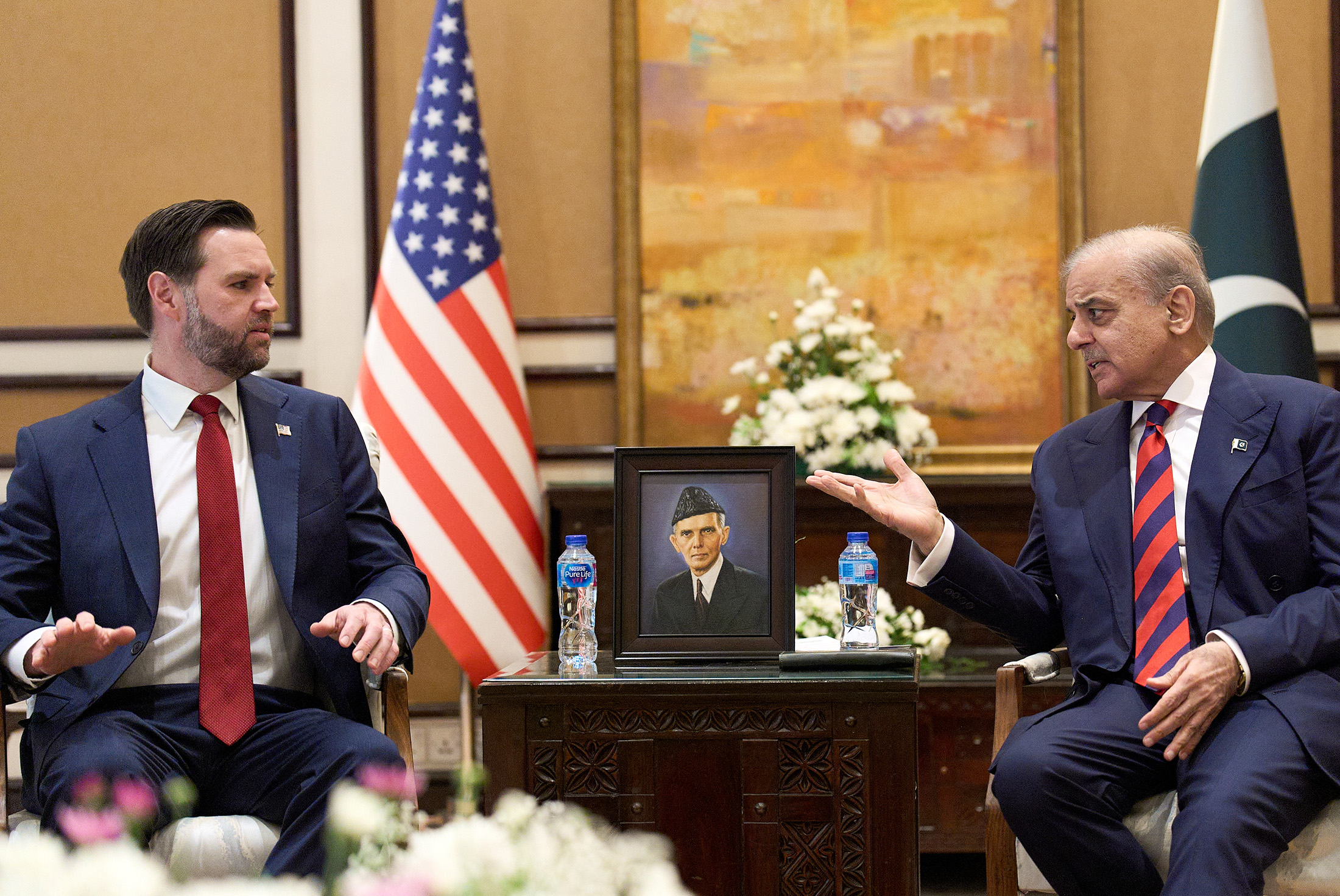
The arrival of an Iranian delegation in Switzerland for US peace talks is more than another diplomatic photo op. It is a stress test for a region already stretched by war, sanctions, proxy conflict, and political mistrust. When the margin for error is this thin, a single meeting can move markets, shape military calculations, and reset the tone of global diplomacy. The stakes are unusually high because the talks sit at the intersection of Iran, US strategy, and the credibility of Swiss mediation. For observers who have grown numb to failed handshakes and frozen negotiations, this round matters because it could define whether diplomacy still has room to breathe. The question is not whether both sides want peace in the abstract. It is whether either side is ready to pay the political price required to make peace tangible.
- The talks signal a rare diplomatic opening amid deep regional instability.
- Switzerland remains a crucial neutral venue for sensitive negotiations.
- Any breakthrough could affect sanctions, security, and energy markets.
- Even a failed round may shape future leverage and military posture.
- The real story is not ceremony – it is whether both sides can sustain trust.
Why the Iran delegation’s arrival matters
Diplomatic travel rarely makes headlines unless the room already feels combustible. This one does. The presence of an Iranian delegation in Switzerland for US peace talks suggests both sides still see value in structured contact, even if the agenda is narrow and the trust deficit is enormous. That matters because diplomacy has been drifting toward performance politics: loud rhetoric on the outside, cautious backchannels on the inside. Switzerland offers a controlled environment where neither side has to concede too much simply by showing up. It is a familiar setup, but the context is new. Regional tensions, security fears, and the economic cost of uncertainty have made even incremental communication strategically valuable.
There is also a practical dimension. Talks like these are often less about final settlements than about shaping the next six months. A ceasefire framework, prisoner exchanges, humanitarian access, or de-escalation mechanisms can create breathing room even when a grand bargain remains out of reach. That is why the arrival itself is news: it marks the point where theory becomes negotiation.
In diplomacy, the hardest step is often not compromise. It is convincing both sides that talking is still less costly than escalation.
Switzerland’s role as a neutral stage for US peace talks
Switzerland has long been a preferred setting for fragile talks because neutrality is not just symbolic there. It is operational. The country offers a diplomatic infrastructure designed to reduce pressure, protect confidentiality, and keep the optics from overwhelming the substance. For US peace talks involving Iran, that matters because the venue can lower the temperature enough for serious discussion to happen.
Neutral ground does not guarantee neutrality in outcome, of course. Power imbalances still exist. So do red lines, domestic audiences, and the constant temptation to use the talks as messaging rather than negotiation. But the Swiss setting gives both delegations a useful buffer. It can help separate procedural progress from political theater. That is especially important when each side is speaking not only to its counterpart but also to allies, rivals, and domestic critics watching for weakness.
Why neutral venues still matter
In a fragmented geopolitical environment, the venue itself can shape what is possible. A neutral country can provide discreet logistics, trusted communication channels, and the sense that neither party is walking onto the other side’s turf. That may sound minor. It is not. The wrong venue can doom talks before they start by hardening positions or feeding a narrative of capitulation.
For Switzerland, this is part of a long-standing brand of quiet diplomacy. For the US and Iran, it is a reminder that when formal relations are strained, the infrastructure of peace becomes as important as the rhetoric of peace.
The real agenda behind the peace talks
Publicly, peace talks often sound broad and hopeful. Privately, they are usually narrower and tougher. The likely agenda for US peace talks with Iran probably centers on de-escalation, regional security, and limited confidence-building measures. Depending on the broader diplomatic climate, the list can also include sanctions relief, nuclear oversight, maritime security, and prisoner issues. Each of those topics is politically loaded. Each can also be framed as a step toward stability rather than a concession.
That framing matters. Negotiations tend to move when both sides can claim victory at home. For Tehran, that might mean proof that engagement can produce relief or recognition. For Washington, it may mean preventing escalation without appearing to reward pressure. The challenge is that both governments have incentives to talk and incentives to posture. That tension is where agreements are made or broken.
- De-escalation can reduce immediate military risk.
- Confidence-building measures create space for later concessions.
- Humanitarian or prisoner issues can unlock early wins.
- Sanctions relief remains a powerful but politically sensitive lever.
- Security guarantees are often demanded, but difficult to verify.
Why small wins matter first
Large geopolitical disputes rarely move from hostility to peace in one leap. They usually advance through smaller, less glamorous steps. A working channel. A temporary restraint. A technical agreement. A swap. A pause. These developments may not satisfy audiences hungry for dramatic breakthroughs, but they are often the only realistic path forward.
If the Swiss talks yield even modest progress, that progress could become the scaffolding for a broader diplomatic process. If they fail, the failure still matters because it clarifies where the line of resistance sits. In diplomacy, clarity is sometimes the least celebrated but most valuable outcome.
What this means for security, markets, and diplomacy
The implications of these talks go well beyond the conference room. Security planners will watch for signs that regional tensions can be dialed down. Energy traders will read every leak for hints about supply risk. Allies and rivals alike will use the tone of the negotiations to assess whether escalation is more or less likely in the coming months. That is why a single diplomatic gathering can ripple outward so quickly.
For the global market, any signal that lowers the odds of conflict usually calms volatility. For governments, the calculation is more complicated. A diplomatic thaw can reduce pressure, but it can also trigger criticism from hardliners who view compromise as strategic weakness. The result is a delicate balancing act: talk enough to avoid crisis, but not so openly that domestic politics sabotages the process.
The biggest mistake is treating peace talks as a binary event. More often, they are an early warning system for where the next crisis may either be contained or accelerated.
How to read the outcome of US peace talks with Iran
Readers should avoid the trap of judging success only by whether a formal deal is announced. The better question is whether the process changes incentives. A useful way to read any round of US peace talks with Iran is to watch for three things: the language used after the meeting, the speed of any follow-up contact, and whether both sides can describe the outcome without sounding publicly cornered.
If the statements are unusually measured, that may indicate progress. If the next meeting is scheduled quickly, that suggests momentum. If either side pivots immediately to public accusations, the talks may still have been valuable, but mainly as a signal of unresolved pressure. This is where strategic patience matters. Diplomatic processes often look inconclusive until, suddenly, they do not.
Pro tips for interpreting diplomatic signals
- Watch for changes in tone before looking for formal announcements.
- Track whether backchannel language turns into public language.
- Look for concrete next steps, not just expressions of goodwill.
- Pay attention to the venue and who is mediating the next round.
- Remember that silence can mean negotiation, not failure.
Why this matters now
The broader lesson is simple: even in a fractured geopolitical climate, diplomacy is still a live tool, not a ceremonial leftover. The arrival of the Iranian delegation in Switzerland is a reminder that governments keep talking when the cost of not talking becomes unbearable. That does not mean peace is imminent. It does mean the alternatives remain expensive.
For businesses, the practical takeaway is risk management. For policymakers, it is crisis containment. For everyone else, it is a reminder that the mechanisms of global stability are often fragile, improvised, and dependent on trust that barely exists. If these talks produce movement, however small, they could shape the next phase of regional politics. If they stall, they will still reveal how much pressure the system can absorb before it cracks.
Either way, the Swiss meeting is not background noise. It is a high-stakes signal that both sides still see negotiation as worth the effort. In today’s climate, that alone is newsworthy.
The information provided in this article is for general informational purposes only. While we strive for accuracy, we make no guarantees about the completeness or reliability of the content. Always verify important information through official or multiple sources before making decisions.