Judge Blocks Trump Work Permit Crackdown
Judge Blocks Trump Work Permit Crackdown
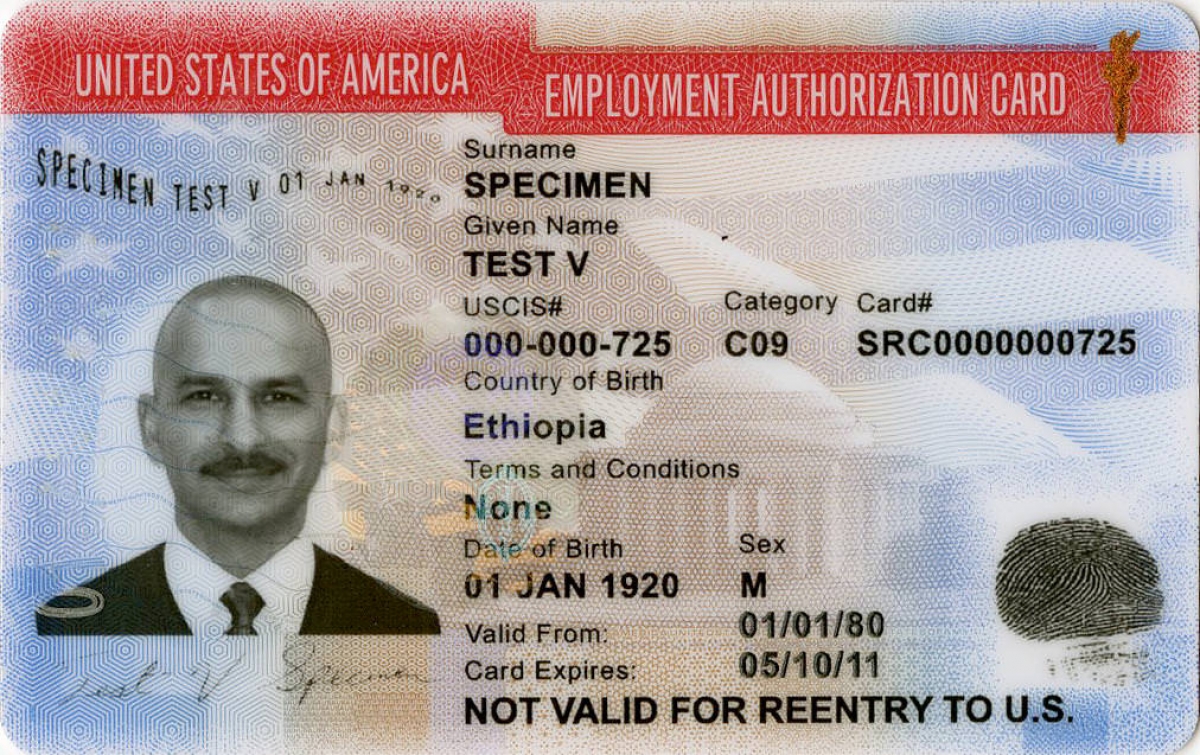
Donald Trump’s immigration agenda just hit a legal wall, and the stakes go far beyond one courtroom fight. A federal judge has blocked an effort to strip work permits from immigrants, stopping a move that could have upended the lives of workers, employers, and entire local economies overnight. For immigrant families, the issue is immediate: jobs, rent, and legal stability. For businesses, it is operational chaos waiting to happen. And for Washington, this is another reminder that immigration policy is not just about slogans and enforcement theater – it is about administrative power, due process, and whether executive action can survive judicial scrutiny. The ruling matters because work authorization is the linchpin that turns immigration status into economic participation. Remove it, and the fallout spreads fast.
- The court blocked a Trump effort to revoke or strip work permits from immigrants.
- The ruling protects legal work authorization from abrupt executive overreach.
- Employers and workers face less immediate disruption, but the policy fight is far from over.
- The case highlights how immigration policy can collide with administrative law and labor markets.
Why the work permits fight matters now
Work permits are not a side issue in immigration policy. They determine whether a person can legally earn a paycheck, stay on payroll, pay taxes, and avoid falling into the shadow economy. When a government tries to revoke those permits broadly, the consequences ripple outward immediately. A single policy move can force employers to recheck documents, suspend onboarding, or even cut staffing in sectors already strained by labor shortages.
That is why this ruling lands with such force. It signals that courts may not accept sweeping attempts to erase existing permissions without a clearer legal basis. The decision also exposes a recurring tension in U.S. immigration politics: policymakers want fast, visible enforcement, but the legal system demands procedure, justification, and consistency.
Work authorization is not just paperwork. It is the legal bridge between immigration status and economic survival.
The legal logic behind the ruling
At the center of the dispute is a straightforward but powerful question: can an administration simply pull back work authorization from a broad class of immigrants without crossing legal boundaries? The judge’s answer, at least for now, is no. Courts tend to scrutinize abrupt policy shifts that affect settled rights or expectations, especially when the government has not shown a strong enough legal foundation for such a disruptive move.
This is where administrative law becomes the real battleground. Agencies can interpret statutes and set policy, but they cannot act arbitrarily. If a move appears rushed, insufficiently reasoned, or inconsistent with prior rules, judges can step in. That does not mean the underlying immigration fight is over. It means the administration must either narrow the policy, justify it better, or take a slower route through rulemaking and litigation.
What courts usually look for
- Statutory authority: Did the executive branch actually have the power to do this?
- Procedure: Was the policy adopted through the proper legal process?
- Impact: Does the action cause immediate harm to workers or employers?
- Consistency: Does it conflict with existing rules or prior government practice?
What this means for immigrants and employers
For immigrants holding work permits, the immediate takeaway is relief. A blocked policy means less fear of sudden job loss and less risk that legal status gets destabilized by a political decision. For families already living close to the edge, that matters in the most basic way possible: keeping the lights on.
For employers, especially in agriculture, hospitality, healthcare, logistics, and construction, the ruling prevents another compliance shock. These industries depend heavily on legally authorized workers, and any mass disruption to work permits would likely lead to staffing gaps, slower operations, and higher costs. Businesses hate uncertainty more than almost anything, and immigration policy volatility is a direct hit to planning.
There is also a broader labor-market angle. In a country already wrestling with tight labor conditions in several sectors, cutting off work authorization can create a shortage that policymakers later pretend is a market mystery. It is not. It is policy-driven scarcity.
Why the immigration policy debate keeps returning to the courts
The recurring reason immigration fights end up in court is simple: executive power can move quickly, but immigration law is dense, layered, and often outdated. Presidents and agencies try to use discretion to solve immediate political pressures. Judges then have to decide whether those moves fit within the legal architecture Congress built decades ago.
This pattern has become a feature of modern American immigration politics. One administration expands protections. Another tries to undo them. A third uses enforcement language to target the same populations through a different mechanism. The result is a system defined less by durable policy than by legal whiplash.
That volatility is not just frustrating – it is expensive. Workers cannot plan. Employers cannot hire confidently. Local governments cannot forecast service demand. And every new legal challenge becomes a referendum on whether immigration policy is being governed or merely performed.
Pro Tip for employers
If your company relies on authorized immigrant labor, build contingency plans around document reverification, staffing backfills, and legal updates. Do not wait for policy chaos to become an HR emergency. Keep your compliance process tight, document audits regular, and counsel looped in early.
The political stakes for Trump’s immigration agenda
This ruling is not just a legal setback. It is a political reminder that immigration crackdowns are easiest to announce and hardest to execute. Trump has long leaned on immigration as a central part of his political identity, but the courtroom remains one of the few places where presidential ambition still runs into real friction.
Blocking work permit revocations also complicates the messaging. If an administration argues it is restoring order while simultaneously threatening lawful work status for large groups of people, it risks alienating business leaders and voters who may support border enforcement but not economic disruption. That tension has always been at the heart of immigration politics: hardline rhetoric sells, but implementation can backfire quickly.
The politics of immigration are often loudest when the law is least cooperative.
What happens next
The judge’s block is likely not the final word. Expect appeals, revised legal arguments, and more pressure on the policy from both supporters and opponents. The administration could try to narrow the scope, shift the legal rationale, or pursue a different procedural path. Opponents, meanwhile, will use the ruling to argue that the policy was unlawful from the start.
That means the core uncertainty remains: how far can a president go in reshaping work authorization through executive action alone? The answer matters for future administrations too. If this effort fails decisively, it may discourage similarly sweeping moves. If it survives later appeal, it could embolden a new round of aggressive enforcement policies aimed at the same target.
Either way, the case underscores a bigger truth about U.S. immigration governance: the legal system still sets the outer boundaries, even when politics tries to redraw them in real time.
Why this matters beyond immigration
This ruling reaches beyond one policy fight because it touches a larger national question: how much power should any president have to remake daily life with a single order? Work permits are administrative documents, but they control access to wages, housing, and stability. That makes them politically potent and legally sensitive.
Businesses should see this as a warning that labor access can become a policy battlefield. Workers should see it as a reminder that legal status remains vulnerable to executive overreach. And lawmakers should take note that the court system is still being asked to clean up problems that Congress has left unresolved for years.
If there is a practical lesson here, it is this: immigration policy works best when it is predictable, lawful, and tied to economic reality. The moment it becomes a blunt-force political tool, the courts, markets, and communities all pay the price.
The information provided in this article is for general informational purposes only. While we strive for accuracy, we make no guarantees about the completeness or reliability of the content. Always verify important information through official or multiple sources before making decisions.