Iran US Standoff Edges Toward Flashpoint
Iran US Standoff Edges Toward Flashpoint
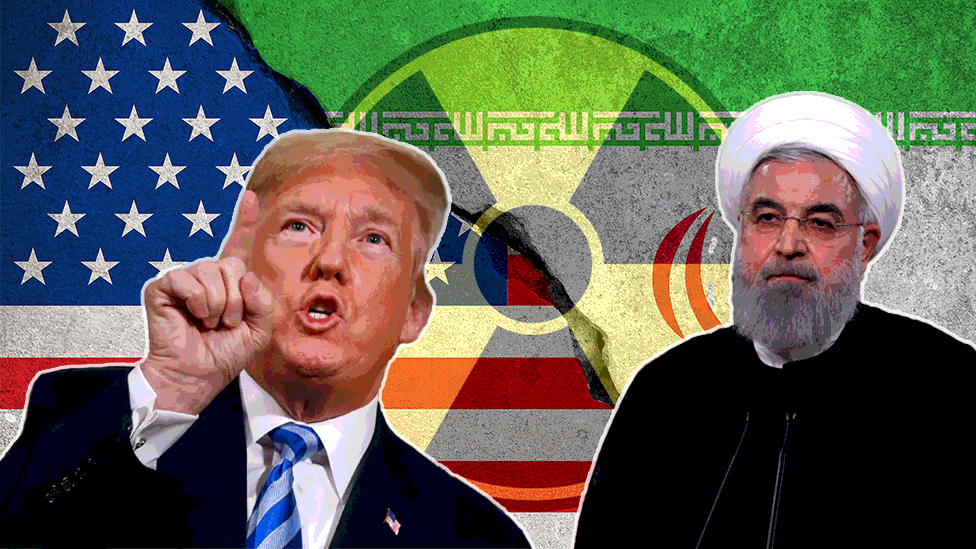
The latest spike in Iran US tensions around the Strait of Hormuz is not a distant headline; it is a live pressure test for global shipping lanes, energy prices, and electoral politics. With reports of drones, warship maneuvers, and fiery rhetoric, the stakes are no longer theoretical. Miscalculation between Washington and Tehran could clog the most critical oil choke point on the planet and send supply chains into chaos. Investors, maritime insurers, and diplomats are watching every move because a bridge collapse in the region or a single misread signal on radar could spiral into regional conflict. This is the moment where strategy, restraint, and deterrence collide – and the margin for error is razor thin.
- Hormuz chokepoint risk is rising as navies shadow each other.
- Domestic politics in Tehran and Washington are narrowing diplomatic offramps.
- Oil markets and insurers are already pricing in higher volatility.
- Cyber and drone skirmishes could trigger rapid escalation.
How Hormuz Became the Ultimate Leverage Point
The Strait of Hormuz funnels roughly a fifth of globally traded crude through a sea corridor barely 21 miles wide at its narrowest point. For Iran, the geography provides asymmetric leverage: even the perception of risk can spike prices. For the United States and its partners, keeping shipping lanes open is both a security imperative and a political promise to allies dependent on Gulf energy. The current standoff was inflamed by a damaged bridge near key maritime routes and accusations of sabotage, echoing past tanker incidents that rattled markets.
Expert insight: Maritime analysts warn that a single disabled vessel in the channel, if left uncleared, can create a cascading traffic jam that lasts days, not hours.
Iranian officials have framed recent naval deployments as defensive, while US commanders emphasize freedom of navigation. Each patrol, however, adds complexity: more vessels, more radar tracks, more chances for a wrong call. The history of Hormuz shows that crises rarely unfold linearly – they spike suddenly, then linger as strategic costs mount.
Political Calculus Driving the Crisis
Why Domestic Pressures Matter in Iran US Tensions
Tehran faces internal economic strain, and a public still scarred by sanctions-driven inflation. Standing firm against US pressure plays well at home, especially among hardliners who see maritime brinkmanship as leverage in stalled nuclear talks. On the US side, election cycles tighten the tolerance for appearing weak on security. Lawmakers are already framing the standoff as a test of deterrence, reducing appetite for concessions.
Political takeaway: Both capitals risk over-indexing on signaling strength, leaving limited room for backchannel diplomacy when a rapid de-escalation is needed most.
The result is a volatile feedback loop: every public statement narrows the space for compromise. History shows this pattern before – from the tanker wars of the 1980s to the drone shootdowns of recent years. The current narrative, amplified by social media, accelerates perception risk, making even routine naval maneuvers headline events.
Coalition Dynamics and Silent Stakeholders
Regional actors – from Gulf monarchies to Israel – each view the showdown through unique lenses. For Riyadh and Abu Dhabi, open lanes are existential. For European importers, energy price stability anchors industrial output. Even distant economies like India and Japan factor Hormuz risk into their strategic reserves. Yet few want to be dragged into a direct confrontation, so coalition patrols remain carefully calibrated.
Meanwhile, Moscow and Beijing watch for openings. Russia benefits from higher oil prices and distraction in Western capitals. China seeks predictable energy flows but also enjoys seeing US naval bandwidth stretched. These secondary interests complicate any straightforward de-escalation roadmap.
Escalation Pathways: From Drones to Blockades
Drone Skirmishes and Gray-Zone Moves
Low-cost drones and unmanned surface vessels are now ubiquitous in the Gulf. They allow plausible deniability and rapid signaling. But they also increase accident risk. A drone misidentified as hostile could invite a kinetic response, triggering escalation ladders faster than diplomats can react.
Cyber operations follow similar logic. Disrupting port logistics or navigation systems is hard to attribute quickly, yet the real-world effects – delayed shipping, misrouted tankers – are immediate. Expect more gray-zone probes because they offer leverage without inviting outright war.
Shipping Insurance and the Invisible Front Line
Insurers are already reassessing premiums for vessels transiting Hormuz. Higher war-risk rates translate into pricier fuel and consumer goods downstream. If rates spike, some carriers may reroute or delay shipments, effectively creating a soft blockade without a single missile fired. The economic ripple could rival the impact of kinetic clashes.
Market watch: A modest 5-10 percent premium hike on Gulf transit insurance can add millions to monthly operating costs for major fleets.
Strategic Options Still on the Table
Deterrence without Lockstep Escalation
Washington can bolster deterrence by rotating additional naval escorts and integrating air surveillance, but pairing that with clear communication channels is essential. Hotlines and agreed rules of engagement reduce misreads. Naval officers privately stress that predictability saves lives in crowded waterways.
Tehran retains tools short of closure: staged inspections, timed drills, or temporary fishing zone expansions to complicate traffic. Each move pressures counterparts to negotiate while avoiding outright blockade. The question is whether either side can calibrate pressure without overshooting.
Diplomatic Levers and Backchannels
Third-party mediators – Oman, Qatar, or European envoys – have historically eased Gulf crises. Confidential talks can reestablish maritime incident protocols or swap limited concessions, such as sanctioned humanitarian imports for reduced naval posturing. These levers matter because formal talks are politically toxic in both capitals right now.
Why This Matters Beyond the Gulf
Energy Markets and Inflation Risk
Global inflation narratives hang on energy stability. A prolonged Hormuz scare pushes Brent crude higher, filters into diesel and aviation fuel, and eventually hits grocery logistics. Central banks already walking a tightrope on rates will face tougher decisions if oil volatility returns.
Supply Chain Planning for Enterprises
Companies reliant on petrochemicals, shipping, or just-in-time components should revisit contingency plans. Build in lead-time buffers, diversify suppliers, and secure alternative shipping routes where feasible. Past crises show that proactive rerouting beats emergency scrambling.
- Audit supplier exposure to Gulf transit risk.
- Negotiate flexible shipping windows with carriers.
- Hedge fuel costs where balance sheets allow.
Pro Tips for Staying Ahead of Hormuz Volatility
Investors: track tanker traffic data and insurance trends, not just headline rhetoric. Logistics teams: coordinate with insurers weekly to anticipate premium shifts. Policy professionals: emphasize deconfliction hotlines in public messaging – it signals responsibility without conceding strength.
Operational note: When tension rises, faster intelligence sharing among commercial fleets reduces near-miss incidents and keeps insurance thresholds manageable.
Looking Ahead: The Next 90 Days
The near term will hinge on three variables: whether either side seeks a symbolic win, whether a maritime incident creates casualties, and whether external powers exploit the distraction. An unplanned collision or drone misfire could reset the calculus overnight. Conversely, a quiet month of disciplined patrols could lower premiums and reopen space for talks.
Do not mistake the lack of a headline event for safety. The structural incentives that make the Strait of Hormuz a perpetual flashpoint remain: narrow geography, dense traffic, and politically charged signaling. Until those incentives change, the margin for error in managing Iran US tensions will stay vanishingly small.
Bottom line: This is a test of crisis management under glare. The actors who can combine credible deterrence with disciplined communication will prevent ships from becoming bargaining chips – and keep the global economy off another inflationary cliff.
The information provided in this article is for general informational purposes only. While we strive for accuracy, we make no guarantees about the completeness or reliability of the content. Always verify important information through official or multiple sources before making decisions.